
24/7 Customer Support

Free returns

Same-day & Next-day Delivery

Quality Guaranteed

Unlock Your Welcome Offers: FREE Delivery | Up to 80% OFF | Free 30-day JoyPlus trial
Download the APP
World food seasoning blends can make a midweek meal more interesting without requiring a cupboard full of individual spices. However, attractive packaging and phrases such as “authentic flavour” do not tell you whether a blend suits your cooking, dietary needs or budget.
The most useful approach is to compare the ingredient list, salt content, pack size and intended use before buying. This guide covers popular options for Asian, African, Caribbean, Middle Eastern, European and American-inspired dishes, from Japanese shichimi togarashi to Cajun seasoning and jollof spice blend.
Some products contain mainly herbs and spices, while others are seasoning products built around salt, sugar, flavour enhancers or acidity regulators. For example, Caribbean all-purpose seasoning can be convenient for rice, meat and vegetables, but the listed salt values may be high.
This is not necessarily a reason to avoid the product. It means you should use it as a concentrated seasoning rather than adding it freely like dried herbs.
A 100g pouch may look economical, but a specialist blend can lose aroma if it sits open for months. Japanese shichimi togarashi, baharat spice blend and herbes de Provence are more useful when their flavour profile matches dishes you regularly cook.
Small packs are often sensible for occasional recipes, while larger resealable packs suit frequent users.
Seasonings can contain or be made alongside common allergens. Ingredients may include celery, mustard, wheat, soya, sesame, peanuts or sulphites. Suya pepper mix, for instance, contains peanuts, while some garlic and coriander seasoning products include wheat flour.
Also check whether the blend is ready to sprinkle, intended for marinating or requires thorough cooking. A Thai seasoning mix designed for Nam involves fermentation and cooking, so it is not a simple table condiment.
UK food labels list ingredients by weight, with allergens normally emphasised. Check whether the first ingredient is salt, or whether the blend starts with recognisable spices and herbs.
Useful comparisons include:
Always check the current pack, particularly if you have an allergy or follow a specific diet.
Nutrition panels allow a fair comparison between products. Some everyday seasoning blends list salt above 40g per 100g, while a low-salt aromatic blend may be considerably lower.
Use high-salt blends sparingly and avoid automatically adding extra salt to the dish. A blend containing sugar may help with browning and balance, but it can also affect marinades and sauces. This is especially relevant for wing seasoning mixes, Caribbean everyday seasoning and chilli and lemon seasoning.
Think about how you cook in a typical UK kitchen:
Store opened products in a cool, dry cupboard away from steam and direct sunlight. Reseal pouches firmly, and transfer loose powders to an airtight container if the original pack is difficult to close.
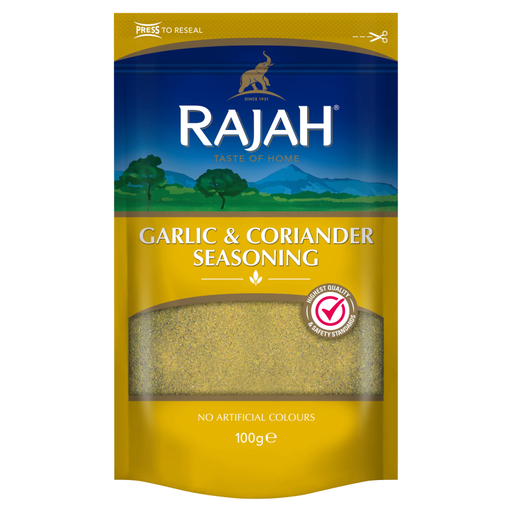
Why This Fits Their Persona: A 100g resealable pack suits cooks building a versatile cupboard from scratch. Use it on chicken, vegetables, rice, soups or marinades.
Its ingredient list makes the seasoning profile clear: salt, dried garlic, dried coriander, onion and other spices. Check the wheat and flavour-enhancer details before purchase.
100g pack; resealable packaging; suitable for vegetarian and vegan cooking according to the product information.
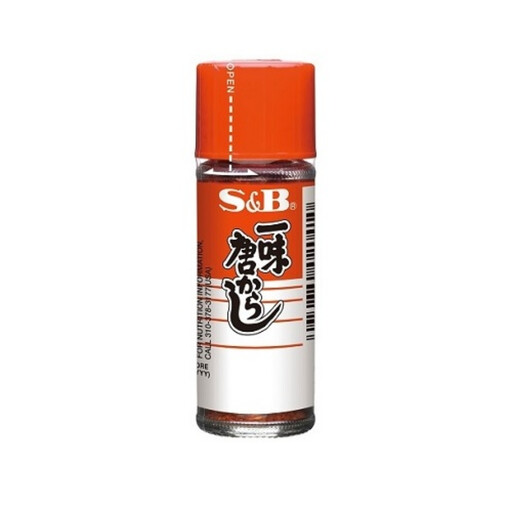
Why This Fits Their Persona: A compact Japanese blend for cooks who value layered flavour over a large quantity. Sprinkle it over ramen, udon, tofu, rice or grilled meat.
The listed ingredients show distinct elements including red pepper, black sesame, citrus peel, seaweed and seeds, rather than relying on a vague flavour description.
15g format; includes citrus, seaweed and sesame; suitable for finishing dishes at the table or during cooking.
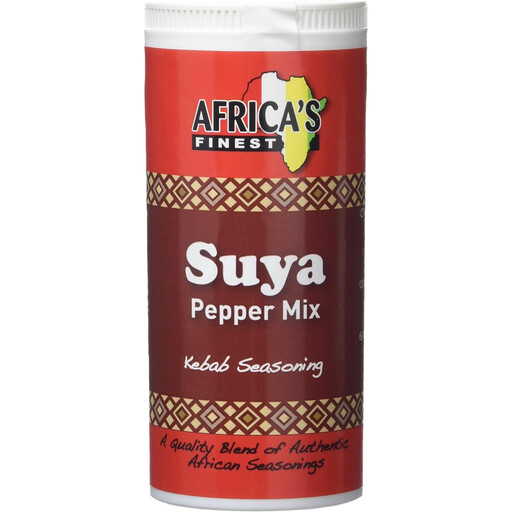
Why This Fits Their Persona: Regular cooks preparing grilled meat, roasted vegetables, marinades or West African-inspired snacks can use this larger pack repeatedly.
The product information identifies ground peanuts, cayenne pepper, onion, garlic, paprika and salt, so shoppers can assess heat and allergy considerations.
100g pack; designed for rubs and marinades; suitable for vegetarian use according to the product information; contains peanuts.

Why This Fits Their Persona: A straightforward option for roast vegetables, pasta, soups, sauces and roast meats in a typical UK kitchen.
The blend is clearly specified as savoury, basil, marjoram, oregano, rosemary and thyme, making its flavour direction easy to judge.
15g dispenser pack; six named herbs; no allergens listed in the supplied product information.
We have compiled a complete, real-time list of products that fully satisfy these strict selection criteria and UK safety regulations.
For Thai cooking, laab seasoning can provide roasted rice, chilli, mint, lemongrass and kaffir lime notes, while a Nam seasoning mix follows a more specific preparation method. Baharat spice blend is suited to koftas, meatballs and lamb dishes. For Filipino-style cooking, adobo seasoning offers a garlic-led base for meat marinades and sauces.
A jollof spice blend is practical for tomato-based rice dishes and stews. Cajun seasoning suits meat and seafood, while chilli and lemon seasoning can be used on poultry, fish, snacks and vegetables. For familiar pantry cooking, mixed herbs and herbes de Provence provide flexible options without the heat of chilli-led blends.
They are dry combinations of spices, herbs, salt and sometimes sugar or flavour enhancers. Depending on the blend, they can be used for marinades, rice, soups, grilled foods, stir-fries, sauces or finishing dishes.
Follow the best-before date and storage instructions on the pack. Dry blends generally retain their aroma better when kept sealed in a cool, dry, dark cupboard. Discard a product if it develops moisture, mould, an unusual smell or visible pest contamination.
Some are vegetarian or vegan, but suitability varies. Always check the current ingredient and allergen information. Products containing celery, mustard, wheat, soya, sesame or peanuts may not suit people with relevant allergies, and high-salt blends should be used sparingly.