
24/7 Customer Support

Free returns

Same-day & Next-day Delivery

Quality Guaranteed

Unlock Your Welcome Offers: FREE Delivery | Up to 80% OFF | Free 30-day JoyPlus trial
Download the APP
Bringing the vibrant tastes of global cuisine into your UK kitchen should be an exciting journey. Yet, the supermarket aisle for world food seasonings can be a confusing place. Many of us have returned home with a promising-looking bottle, only to find it doesn't deliver that authentic flavour we were craving. As the Joybuy Product Recommendation Officer, my role is to help you navigate the options and find the right ingredients to make your meals truly special.
Before you add another bottle to your basket, let's look at a few common pitfalls that lead to disappointment and wasted money.
To avoid these traps, focus on a few core factors. A quick check of the label can tell you almost everything you need to know about the quality and intended use of a seasoning.
The foundation of any great seasoning is its primary ingredient. Different bases create vastly different results, and knowing what you're looking for is the first step.
The order of ingredients matters. The first ingredient listed is the most prominent one by weight. If you're buying a mushroom seasoning, mushroom powder should be one of the first few ingredients, not listed after salt, sugar and a string of additives.
Pay attention to terms like flavour enhancers (E621, E627, E631). E621 is Monosodium Glutamate (MSG). While perfectly safe for most people, its heavy use can sometimes indicate that the product is compensating for a lack of flavour from its core ingredients. A well-made sauce uses quality components to build flavour naturally.
Not all sauces are created equal. A thick, sweet glaze for takoyaki is not interchangeable with a thin, salty liquid seasoning for soup.
To help you choose, we've matched a few standout products to different types of home cooks.
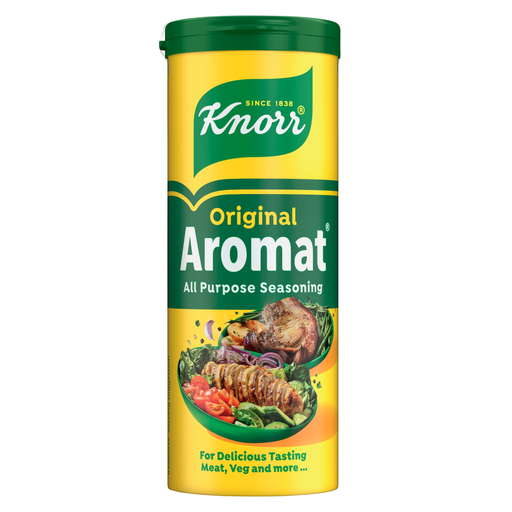
Why This Fits Their Persona: For the busy home cook who needs a quick and reliable flavour boost without overthinking it. This is the go-to for elevating everyday meals like scrambled eggs, chips, roasted vegetables or chicken. It's a familiar and dependable pantry staple in many UK households.
It avoids the "all-purpose" trap by being exactly what it claims to be: a savoury salt-and-pepper alternative, not a complex ethnic seasoning. Its purpose is clear, preventing disappointment.
A fine powder that dissolves easily and provides an instant savoury lift. It's an extremely versatile all-purpose seasoning for Western-style dishes.
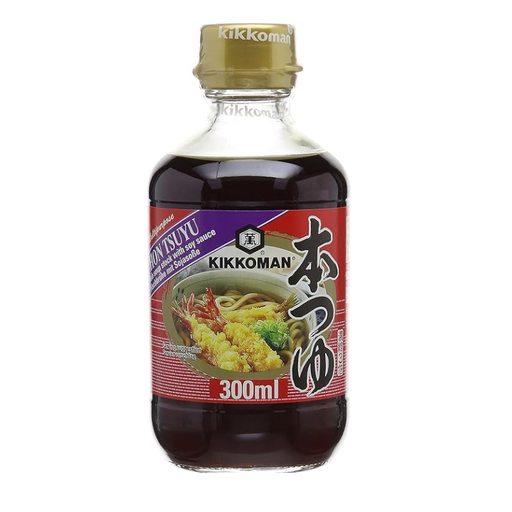
Why This Fits Their Persona: For the foodie dedicated to recreating authentic Japanese noodle dishes like udon, soba or hot pots at home. This concentrate provides the specific, complex flavour base that is hard to build from scratch.
This is a specific tool for a specific job, not a generic "Asian" sauce. It avoids the flavour illusion by using real fish extract (bonito and sardine) as its primary flavour component.
A versatile concentrate that can be diluted for soup broth or used more intensely as a dipping sauce. This is a classic among Japanese condiments.
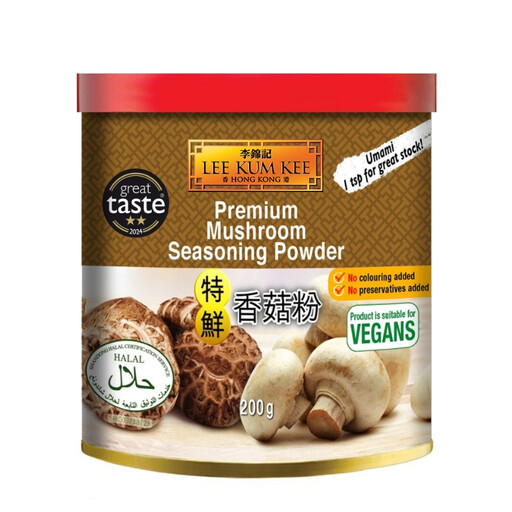
Why This Fits Their Persona: Ideal for vegetarians, vegans or any cook looking to add a serious depth of savoury flavour to their dishes. It's a secret weapon for making soups, broths and stir-fries taste richer and more complex without adding meat.
It directly counters the "flavour illusion" trap. With mushroom powder (45%) as the first ingredient, you are getting genuine, concentrated mushroom flavour, not just salt and enhancers.
A powerful powdered umami seasoning that can be used as a direct substitute for salt or MSG. A little goes a long way, making the container last.
We have compiled a complete, real-time list of products that fully satisfy these strict selection criteria and UK safety regulations.
This varies greatly. Dry seasonings like mushroom powder or spice blends can last for many months if kept in a cool, dark and dry place in a tightly sealed container. Liquid sauces, especially those with lower salt or sugar content, should be refrigerated after opening. Most will have a "consume within X weeks/months" instruction on the label, which is important to follow. As a general rule, soy sauces and fish sauces are quite stable, while creamier or fruit-based sauces have a shorter shelf life.
Often, yes. A good stir-fry sauce contains salt, sugar and umami elements, which are all great for marinating. Because they are designed to be cooked quickly at high heat, they might be slightly thicker or sweeter than a dedicated marinade. You may want to thin it out with a little water, rice vinegar or light soy sauce to help it penetrate the meat more effectively.
Umami seasoning refers to any ingredient that provides the "fifth taste"—a deep, savoury and meaty flavour. It's what makes broths, aged cheeses and cooked meats so satisfying. Common sources include MSG, but natural umami seasonings are increasingly popular. Products based on mushroom powder, yeast extract, kelp or fermented soybeans (like soy sauce and miso) are excellent ways to add this depth. You can sprinkle the powder into soups, stews and sauces, or mix it into burger patties or meatballs to make them taste richer.