
24/7 Customer Support

Free returns

Same-day & Next-day Delivery

Quality Guaranteed

Unlock Your Welcome Offers: FREE Delivery | Up to 80% OFF | Free 30-day JoyPlus trial
Download the APP
Cooking with world food spices and seasonings can make everyday meals more varied without requiring a large shopping budget. However, colourful packaging and phrases such as “authentic”, “restaurant-style” or “extra flavour” do not always tell you what is inside the packet.
Whether you are shopping for Indian spices, Caribbean seasoning, Korean ingredients or African spice blends, a few checks can help you avoid unsuitable products and choose ingredients that match your cooking habits.
A product labelled extra hot may deliver considerable chilli heat but little aromatic complexity. Chilli powder and crushed red chillies also behave differently: powder distributes heat throughout a dish, while crushed chillies retain seeds and pith and add visible texture.
If you prefer controlled seasoning, start with a mild curry powder, paprika or ground coriander. If you regularly cook fiery curries, marinades or tacos, an extra hot chilli powder may be more suitable, but add it gradually.
Seasoning blends can be convenient, but salt may be one of their main ingredients. For example, Dunns River Curry Goat Seasoning lists salt at 20g per 100g, while Dunns River All Purpose Seasoning lists 45g per 100g. These products can be useful for building flavour quickly, but you may need less additional salt in the recipe.
Some blends also contain monosodium glutamate or other flavour enhancers. This is not automatically a reason to reject a product, but it is important to check the label if you prefer a shorter ingredient list.
Dry powders, whole spices, crushed chillies, pastes and ready-made seasoning blends have different storage and preparation requirements. A Thai basil paste may need refrigeration after opening, while a dry spice is generally stored in a cool, dry cupboard.
Buying a large pack of an ingredient you use occasionally can also lead to stale aroma, clumping or unnecessary waste. Choose pack size according to how often you cook with it.
For a single-ingredient spice, look for straightforward descriptions such as 100% ground coriander seeds, 100% ground red chillies, cumin or cinnamon powder. A blend will naturally contain more ingredients, so check whether it includes salt, wheat, celery, mustard, soya, fish or peanuts.
This is particularly important for:
Always use the physical product label as the final reference, particularly if you have a food allergy or intolerance.
Consider how the ingredient will be used:
If you are cooking vegetarian dishes, single spices and blends marked as suitable for vegetarian diets can add depth to beans, roasted vegetables, tofu and lentils without relying on meat-based stock.
Keep dry spices away from steam, heat and direct sunlight. Seal opened packets or transfer them to airtight containers. Pastes require closer attention: follow the pack instructions, refrigerate after opening where stated and use within the recommended period.
Check the net weight, country of origin, best-before information and preparation instructions. A resealable 100g bag may be more practical than a larger container if you are trying a new flavour. For frequent cooking, a 200g pack of crushed chillies or a 500g tub of Korean hot pepper paste may offer more usable quantity, provided you can store and consume it appropriately.
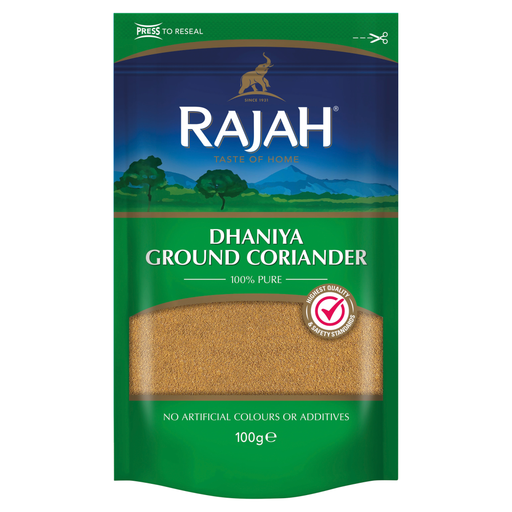
Why This Fits Their Persona: A single-ingredient staple for building a versatile spice cupboard on a modest budget. Use it in curries, lentils, soups, chutneys and vegetable marinades.
The ingredient is listed as ground coriander seeds, avoiding a blend where salt or flavour enhancers may dominate.
100g pack; suitable for Indian, Middle Eastern and Southeast Asian recipes; no listed allergens.
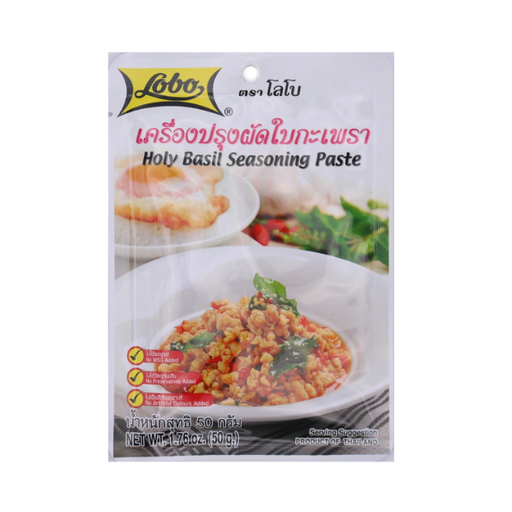
Why This Fits Their Persona: A portioned option for cooks who want Thai basil flavour without buying several fresh ingredients for one meal.
The 50g sachet helps limit waste, while the instructions clearly explain refrigeration after opening.
Contains Thai holy basil leaves, chilli and garlic; made in Thailand; designed for stir-fries such as Pad Ka Prao.

Why This Fits Their Persona: Designed for regular chilli users making curries, stews, tacos, sauces and marinades where evenly distributed heat is required.
The ingredient list identifies 100% ground red chillies, so the product is not padded with salt, flour or unrelated seasoning.
100g quantity; additive-free according to the supplied product information; made in India.
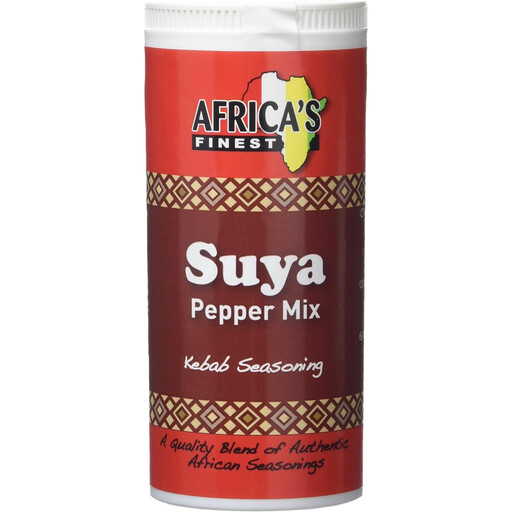
Why This Fits Their Persona: A convenient route into West African-style flavour for vegetarians seasoning roasted vegetables, tofu, snacks or plant-based grills.
The product information identifies peanuts clearly, helping shoppers avoid an overlooked allergen in a spice blend.
Includes cayenne, onion, garlic and paprika; suitable for vegetarian cooking; useful for marinades and roasted dishes.
Your cupboard may also benefit from Rajah spices such as garlic powder, cinnamon powder, paprika and coarse black pepper. For Caribbean cooking, compare mild Caribbean curry powder with all purpose seasoning or a dedicated curry goat seasoning. If you are exploring Korean food, hot pepper paste brings sweetness, spice and savoury depth to rice dishes, stews and marinades.
For a wider selection, browse spices for cooking and compare ingredient lists, formats, pack sizes and allergen details before ordering.
We have compiled a complete, real-time list of products that fully satisfy these strict selection criteria and UK safety regulations.
Start with versatile single spices such as ground coriander, cumin, paprika, black pepper and garlic powder. Add a mild curry powder or all purpose seasoning if you want convenience. You can then introduce chilli powder, Thai basil paste or suya pepper mix based on the cuisines you cook most often.
Dry spices are generally usable until the printed date when stored correctly, but aroma and flavour can gradually weaken after opening. Keep them sealed in a cool, dry cupboard away from the hob and kettle. Discard any product with an unusual smell, visible moisture or persistent mould.
Some are, but check the ingredient list rather than relying only on the product name. Certain pastes may contain fish, and some blends may include allergens or flavour enhancers. Products marked suitable for vegetarian diets can be useful, but the packaging remains the final source of information.