
24/7 Customer Support

Free returns

Same-day & Next-day Delivery

Quality Guaranteed

Unlock Your Welcome Offers: FREE Delivery | Up to 80% OFF | Free 30-day JoyPlus trial
Download the APP
Cooking international dishes at home is easier when the right seasoning is within reach. However, choosing world food spices and seasonings online can be less straightforward than it appears. Attractive packaging may not tell you how hot a blend is, how much salt it contains or whether it suits your dietary requirements.
For UK home cooks, the most useful approach is to compare the ingredient list, intended use and storage requirements before adding products to your basket. This guide covers African spices, Caribbean seasonings, Indian spices and Asian cooking pastes, with practical recommendations for different cooking habits.
A product described as a “seasoning” may contain salt, sugar, flour, flavour enhancers or anti-caking agents alongside spices. That is not necessarily a problem, but it affects how you use it. For example, an all-purpose seasoning may already provide considerable salt, so adding extra salt to the recipe can make the finished dish unbalanced.
If you want control over the recipe, choose single-ingredient products such as garlic powder, ground coriander, paprika or whole spices. If convenience is more important, a ready-made blend can reduce preparation time.
Words such as “peri peri”, “extra hot” or “jerk” do not provide a consistent heat measurement. Check the ingredients and usage guidance rather than assuming the flavour profile. Dunns River peri peri and jerk blends, for instance, are intended to be used sparingly, while extra hot chilli powder is a concentrated single spice.
Salt can also vary considerably. Some seasoning blends list salt at a high level per 100g, although the quantity used per portion is much smaller. Use a measuring spoon when trying a new blend, particularly in marinades and rubs.
UK food labels should identify relevant allergens, but online product information and packaging can differ. Always check the current label before use. Potential concerns across this category include wheat, soya, celery, mustard, milk, sesame and peanuts.
Spices and dried herbs also lose aroma when exposed to heat, light or moisture. A resealable pack or airtight jar is useful, but storage in a cool, dry cupboard away from the hob matters just as much.
Single spices offer flexibility:
Blends are more convenient for specific dishes. Tandoori masala, curry powder, barbecue seasoning, jerk seasoning and curry goat seasoning are designed to provide several flavour elements in one step.
The format affects both preparation and shelf life.
For occasional cooking, a small 40g or 50g pack may help reduce waste. Regular cooks may find 100g packs more practical, while a 500g tub of Korean hot pepper paste suits households that prepare Korean-inspired dishes regularly.
Before buying spices online in the UK, review:
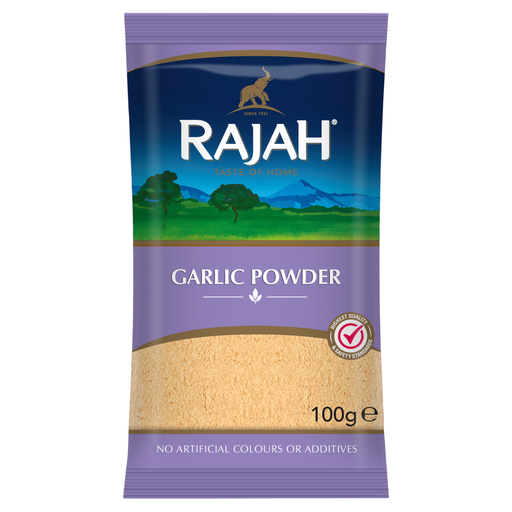
Why This Fits Their Persona: A versatile cupboard staple for new cooks preparing soups, sauces, roasted vegetables, marinades and everyday meals.
It is listed as garlic, rather than a salt-heavy seasoning blend, making it easier to adjust salt independently.
100g pack; single-ingredient garlic powder; no listed statutory allergens.
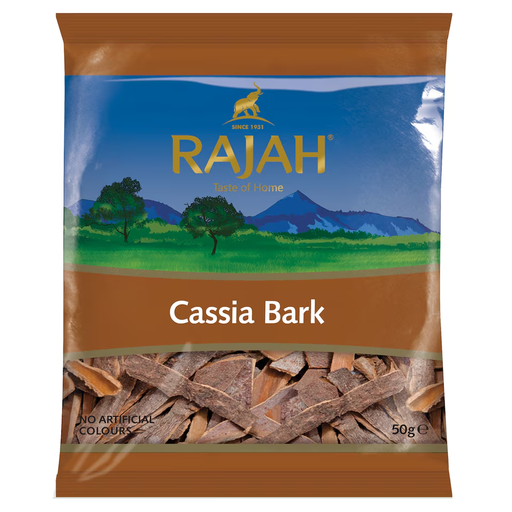
Why This Fits Their Persona: Suitable for cooks who prefer whole spices and want to build aroma gradually in curries, biryanis, stews or spiced drinks.
Whole bark pieces are easy to identify, helping you distinguish the product from a pre-mixed powder.
50g whole cassia bark pack; suitable for cooking and infusing; no listed allergens.
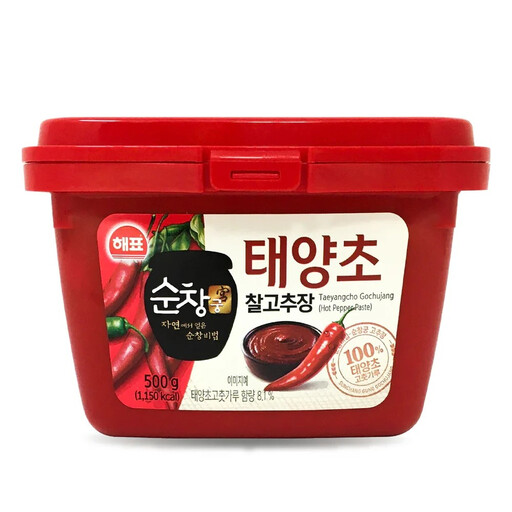
Why This Fits Their Persona: A practical larger-format choice for regular Korean-style cooking, including marinades, stews, bibimbap and tteokbokki.
The 500g size is more appropriate for frequent users than repeatedly buying small containers, while the ingredient list clarifies its fermented soy and pepper base.
500g tub; sweet, spicy and savoury flavour profile; refrigerate after opening.
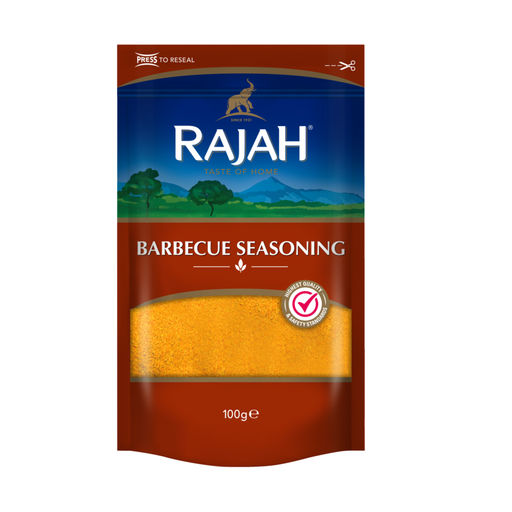
Why This Fits Their Persona: Designed for chicken, beef, lamb, seafood and vegetables cooked on a grill, in the oven or in a frying pan.
The listed ingredients show that salt forms part of the blend, so you can reduce added salt and use the seasoning as a measured rub.
100g pack; smoky, savoury and mildly spicy profile; suitable for meat, seafood and vegetables.
We have compiled a complete, real-time list of products that fully satisfy these strict selection criteria and UK safety regulations.
For African-inspired cooking, an African spices selection may include suya pepper mix, peri peri seasoning, chilli and garlic. The AF Suya Pepper Mix contains peanuts, so allergen checking is especially important.
For Caribbean dishes, consider jerk seasoning, dried thyme, all-purpose seasoning and curry goat seasoning. Indian spices such as tandoori masala, curry powder, coriander, cinnamon and paprika can help build flavour in curries, rice dishes and marinades. Korean hot pepper paste is useful when a recipe needs both heat and a thick, savoury sauce.
Start with frequently used single spices such as garlic powder, paprika, ground coriander and chilli powder. Add specialised blends only when you regularly cook the relevant dishes. Comparing net weight and ingredient composition is more useful than judging value by jar size alone.
Follow the best-before date and storage instructions on the packaging. Dried products generally keep better when sealed in a cool, dry cupboard, but their aroma and flavour can gradually weaken after opening. Discard products if packaging is damaged or the contents have an unusual smell, appearance or level of moisture.
Usually, yes. Cassia bark and star anise are intended to infuse dishes during cooking and can be removed before serving. Ground spices do not need removing, although they should be added in measured quantities to avoid overpowering the recipe.