
24/7 Customer Support

Free returns

Same-day & Next-day Delivery

Quality Guaranteed

Unlock Your Welcome Offers: FREE Delivery | Up to 80% OFF | Free 30-day JoyPlus trial
Download the APP
World food spices and seasonings can transform a simple meal, but choosing the right product is not always straightforward. A colourful packet may promise authentic flavour while containing mostly salt, sugar or bulking ingredients. A chilli powder labelled “extra hot” may also be too intense for everyday cooking, and a seasoning that suits grilled chicken may not work well in a delicate seafood dish.
For UK home cooks, the most useful approach is to compare the ingredient list, intended use, heat level and storage requirements before buying. This guide explains the common purchasing traps and highlights suitable options for Caribbean, Asian, African and international cooking.
A product called curry powder, Cajun seasoning or all-purpose seasoning is usually a mixture rather than one pure spice. It may include salt, sugar, flour, flavour enhancers or anti-caking agents alongside ingredients such as cumin, paprika, garlic and coriander.
That is not automatically a drawback, but it affects how you use the product. A ready-made meat seasoning can save preparation time, while ground coriander, cumin, black pepper or garlic powder gives you more control over the final flavour.
Some blended products contain substantial salt. For example, Dunns River All Purpose Seasoning lists 45g of salt per 100g, while Dunns River Caribbean Everyday Seasoning lists 43g per 100g. These products are intended to be used sparingly, so avoid adding extra salt until the dish has been tasted.
Ingredients such as monosodium glutamate, disodium inosinate and disodium guanylate should also be identified if you prefer a simpler seasoning profile. Always check the current packet label, as formulations and nutritional information can change.
“Chilli powder” covers a wide range of heat levels. An extra hot blend is designed to deliver a strong chilli kick, whereas a mild Caribbean curry powder is more suitable for family meals where warmth and fragrance matter more than intense heat.
Start with a small amount, particularly when cooking for children or guests. You can increase the heat during cooking, but it is difficult to remove it once too much has been added.
Ingredients are listed by weight, so a blend beginning with salt is likely to be salt-forward. A product listing 100% ground red chillies, such as RAJAH Spices Ground Extra Hot Chilli Powder, is more suitable when you want to add heat without introducing a long list of additional seasonings.
For regional character, look for relevant ingredients. Caribbean seasoning may include thyme, paprika, garlic, onion, pimento or allspice. Cajun seasoning commonly combines paprika, cumin, garlic, oregano, thyme and chilli. Suya spice mix often includes ground peanuts, cayenne pepper and aromatic spices.
UK food labels must identify regulated allergens clearly. Depending on the product, check for celery, mustard, cereals containing gluten, soya, sesame and peanuts. RAJAH Spices Mild Caribbean Curry Powder contains celery and wheat, while AF Suya Pepper Mix contains peanuts. Haepyo Sunchanggung Hot Pepper Paste includes fermented soybean ingredients and may have shared-facility warnings.
If you have an allergy or are cooking for someone who does, read the physical packaging before use rather than relying only on a product description.
A 50g pack of cumin can be practical if you use the spice occasionally, while a 100g pouch may suit regular cooking. Fine powders disperse quickly in sauces and marinades; coarse black pepper provides a more noticeable texture and can be added during cooking or at the table.
Keep opened spices tightly sealed in a cool, dry, dark cupboard, away from steam, sunlight and the hob. Moisture causes clumping and can reduce aroma. Pastes such as Korean hot pepper paste generally require refrigeration after opening, so check the storage instructions and allow space in the fridge.
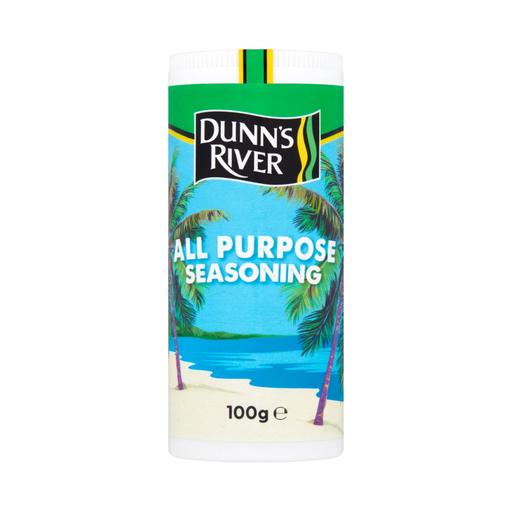
Why This Fits Their Persona: A convenient starting point for UK cooks who want one Caribbean-inspired blend for meat, poultry, seafood, vegetables, soups and stews.
Its broad intended use is clear, but the high salt content is also stated, helping shoppers portion it carefully rather than treating it like a pure herb blend.
100g pack; includes herbs, spices, garlic and onion; suitable for several everyday dishes.
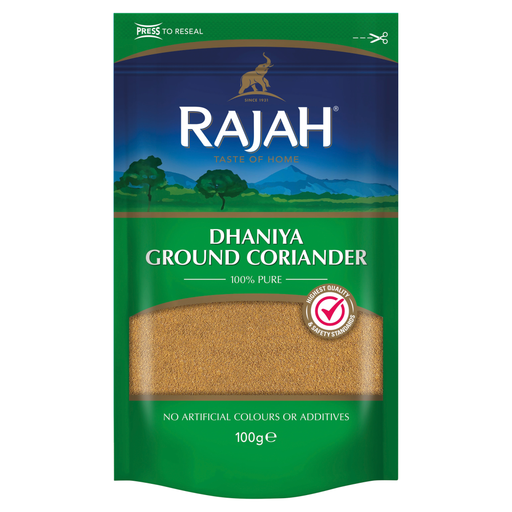
Why This Fits Their Persona: Suitable for cooks building flavour from individual ingredients in Indian, Middle Eastern and Southeast Asian recipes.
The ingredients specify ground coriander seeds, so it is not confused with a salt-heavy curry powder or prepared seasoning.
100% ground coriander seeds; 100g pack; country of origin stated as India.
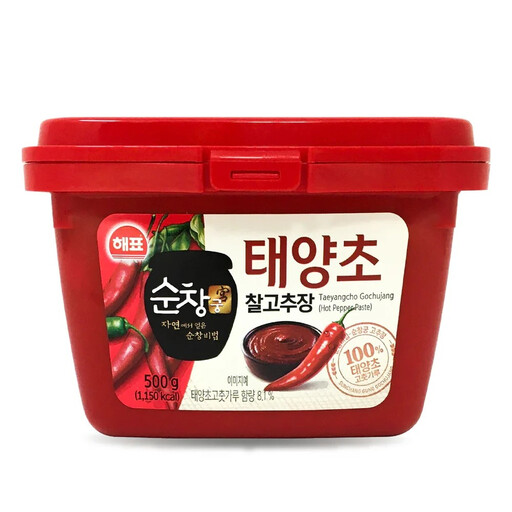
Why This Fits Their Persona: A practical choice for frequent Korean-style cooking, including marinades, stews, bibimbap and tteokbokki.
The 500g tub is more suitable for regular use than occasional cooks, and the ingredients clearly identify red pepper seasoning, rice and fermented soybean powder.
Sweet, spicy and savoury flavour profile; suitable for marinades, dipping sauces and cooked dishes.
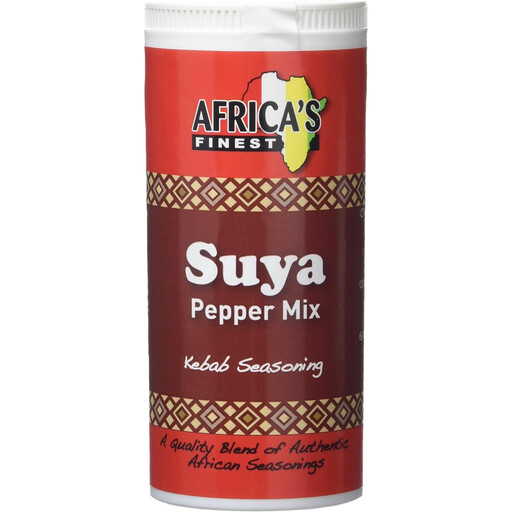
Why This Fits Their Persona: Designed for shoppers exploring West African flavours for grilled meat, roasted vegetables, snacks and marinades.
The product description identifies peanuts as an allergen, making this important information visible before purchase.
Contains ground peanuts, cayenne pepper, paprika, onion powder and garlic powder; suitable for vegetarian cooking.
We have compiled a complete, real-time list of products that fully satisfy these strict selection criteria and UK safety regulations.
Start with the ingredient list, allergen information, pack size and intended dish. Choose a single spice when you want control over flavour or a prepared blend such as Cajun seasoning, Caribbean seasoning or barbecue seasoning for convenience.
Use the printed best-before date as a guide and store products in airtight containers away from heat, light and moisture. Dried spices may lose aroma over time even when they remain suitable for culinary use, so buy pack sizes that match your cooking frequency.
Some are. Check the nutrition panel before buying and note the salt per 100g and per serving. High-salt blends should be used sparingly, with additional salt added only after the dish has been tasted.