
24/7 Customer Support

Free returns

Same-day & Next-day Delivery

Quality Guaranteed

Unlock Your Welcome Offers: FREE Delivery | Up to 80% OFF | Free 30-day JoyPlus trial
Download the APP
Cooking with international ingredients can transform familiar meals, but buying world food spices and seasonings is not always straightforward. A colourful packet or “authentic” label does not tell you everything about heat, salt, allergens, storage or serving size.
Whether you are preparing curry, jerk chicken, Cajun seafood, Chinese stir-fries or vegetarian stews, the right product should suit both your recipe and your cooking habits. This guide explains the key checks to make before buying and highlights a few practical options for different types of UK home cook.
A chilli powder described as “extra hot” is primarily a heat ingredient, not necessarily a complete seasoning. Adding too much can overpower a dish, while using too little may provide limited depth. Check the stated heat level and start with a small quantity, particularly when cooking for children or guests with different spice preferences.
For example, RAJAH Ground Extra Hot Chilli Powder contains 100% ground red chillies. It is suitable when you want to control the heat yourself, but it is not a substitute for a balanced curry powder or spice blend.
Many chicken seasoning products, Caribbean seasoning blends and stock-style powders contain substantial salt. Nutrition panels can vary considerably between products, so compare the salt per 100g rather than relying on front-of-pack descriptions.
Flavour enhancers such as monosodium glutamate, disodium inosinate and disodium guanylate are also present in some blends. These are not automatically a reason to avoid a product, but they should be visible in your buying decision, especially if you already use soy sauce, stock cubes or other salty ingredients.
A product can be associated with a regional cuisine while still containing salt, sugar, flour, anti-caking agents or allergens. Read the ingredients and allergen statement before purchasing. This matters particularly for curry powder, Chinese cooking sauces and prepared marinades.
Under UK food labelling requirements, major allergens must be clearly emphasised in the ingredients list. Look for mustard, celery, soya, wheat, gluten, sesame, milk and sulphites, where relevant.
Examples from this selection include:
Always check the physical packaging, as formulations and warnings can change.
Choose a dry powder when you want flexible portion control and a longer pantry life. Chilli powder, garlic powder, five spice powder and curry powder are useful across multiple recipes.
Ready-made sauces offer convenience but usually require refrigeration after opening. A 368g jar of chilli bean sauce may suit frequent stir-fry cooking, while a 500ml bottle of soy sauce is more practical for households that regularly prepare marinades, dipping sauces and fried rice.
For frequent cooking or catering, larger packs can reduce repurchasing. However, a 1kg chicken seasoning pack is only sensible if you can keep it tightly sealed and use it before its quality declines.
Keep dry cooking spices in a cool, dry, dark cupboard away from steam, direct sunlight and the cooker. Moisture causes clumping and can reduce aroma. Use a clean, dry spoon and reseal the packet or jar after every use.
Some products also need specific preparation:

Why This Fits Their Persona: A useful starting point for UK cooks building a basic international spice cupboard and making mild curries, soups, stews or rice dishes.
Its “mild” positioning helps set a more predictable heat expectation than an unspecified curry blend. Check the mustard warning before use.
Contains coriander, turmeric, cumin, fenugreek and chilli; suitable for curries, marinades, soups and rice dishes.
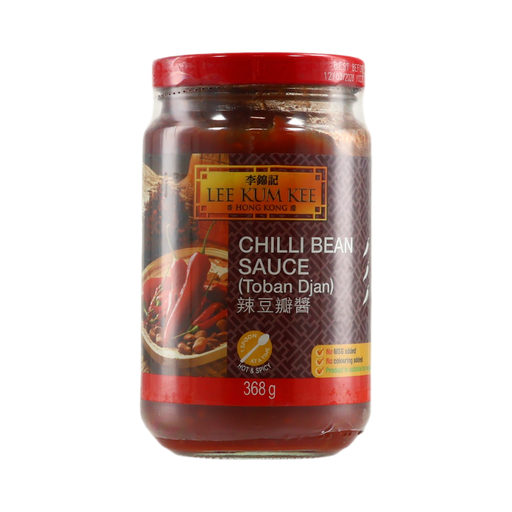
Why This Fits Their Persona: Suits cooks who want a concentrated Sichuan-style base for Mapo tofu, stir-fries and braised dishes rather than a general-purpose spice powder.
The product is clearly positioned as a savoury, spicy fermented bean sauce, so it is easier to match with recipes requiring a cooking base.
368g pack; suitable for stir-frying and braising; instructions recommend frying 1–2 tablespoons in oil before adding other ingredients.
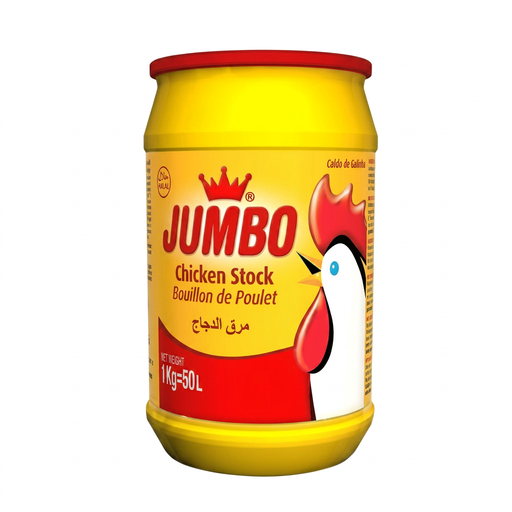
Why This Fits Their Persona: Designed for households, meal-preppers, restaurants or caterers that season chicken frequently by grilling, roasting, frying, stewing or marinating.
The 1kg format is transparent about its intended high-volume use, reducing the risk of buying a small jar for repeated cooking. It is also high in salt, so dosage matters.
Usage guidance gives quantities for marinades and stews; the blend includes chicken powder, garlic powder, onion powder and spices.
You do not need to buy every spice at once. Start with ingredients that match meals you already cook:
For a broader selection of seasonings for cooking, compare pack sizes, ingredient lists, storage requirements and allergen information before ordering.
We have compiled a complete, real-time list of products that fully satisfy these strict selection criteria and UK safety regulations.
Chilli powder may contain only ground chillies, as with the Rajah extra hot product. Chilli seasoning can include salt, garlic, onion, herbs and other spices. Check the ingredient list before substituting one for the other.
Store unopened dry products in a cool, dry cupboard. Once opened, reseal them tightly and keep them away from steam and sunlight. Refrigerate sauces such as chilli bean sauce or soy sauce according to the label, particularly after opening.
Some are, but suitability depends on the ingredients. Check for meat powders, fish products, oyster sauce and animal-derived flavourings. Also review allergen statements, as vegetarian suitability does not mean an ingredient is free from soya, wheat, mustard or celery.