
24/7 Customer Support

Free returns

Same-day & Next-day Delivery

Quality Guaranteed

Unlock Your Welcome Offers: FREE Delivery | Up to 80% OFF | Free 30-day JoyPlus trial
Download the APP
Choosing world food spices and seasonings can make everyday cooking more varied, but the wrong product may leave you with an overly salty meal, an unsuitable heat level or a jar that only works for one recipe. From curry powder and Caribbean seasoning to Thai fish sauce and Korean hot pepper paste, each format has a different purpose.
This guide explains what to check before buying and matches several options to practical cooking styles.
A dry blend such as chicken seasoning, lamb seasoning or Cajun seasoning is usually ready to sprinkle or rub onto food, but it may not contain every ingredient needed for a finished dish. A curry paste or braised pork sauce, by contrast, is generally a concentrated cooking base that needs liquid, oil and other ingredients.
Check the usage instructions before buying. For example, a curry paste may need to be fried gently before coconut milk is added, while a fried rice seasoning is designed to be stirred through cooked rice.
Salt is often high in all-purpose seasoning, Caribbean seasoning and meat rubs. The listed products include examples with salt levels ranging from moderate to very high per 100g. A small serving may be appropriate for a large dish, but adding extra salt at the same time can quickly make a recipe unbalanced.
Some blends also contain monosodium glutamate, disodium inosinate or disodium guanylate. These are listed ingredients, not hidden defects, but shoppers who prefer a shorter ingredient list should read the label rather than relying on phrases such as “authentic” or “restaurant-style”.
Heat descriptions vary between manufacturers. A mild Madras curry powder is likely to be more approachable than a chilli-heavy peri peri blend, but the actual recipe, serving size and personal tolerance still matter. Look for chilli, cayenne, paprika and pepper in the ingredients list, and add concentrated pastes gradually.
UK food labels list ingredients in descending order by weight. If salt appears first, the product is primarily a salty seasoning rather than a pure spice blend. If you want a more aromatic profile, look for identifiable herbs and spices such as coriander, cumin, rosemary, mint, garlic, lemongrass or Sichuan pepper near the top of the list.
Always check allergens in bold. Common examples across world food products include:
Recipes and packaging can change, so check the current label before purchase, particularly when cooking for someone with an allergy.
Choose the format that suits your cooking routine:
A product such as Chinese five spice can work across meat, marinades and stir-fries, while a fried rice seasoning is more narrowly designed for rice-based dishes.
Dry cooking spices should generally be kept in a cool, dry place away from sunlight and moisture. Reseal bags and shaker bottles tightly after use. Refrigerate many pastes after opening, and follow the pack’s instructions for opened sachets and jars.
Compare pack size with how often you cook the relevant cuisine. A 500g tub of Korean hot pepper paste may suit regular use in marinades, stews and dipping sauces, but a smaller 25g fried rice seasoning packet may be more suitable for occasional cooking.

Why This Fits Their Persona: A straightforward dry blend for UK cooks starting with curries, soups, stews or rice dishes.
The mild description is supported by a listed blend containing coriander, turmeric, cumin, fenugreek, chilli and black pepper, allowing heat to be adjusted during cooking.
100g pack; suitable for curries, marinades, soups, stews and rice dishes. Contains mustard, so check the label.
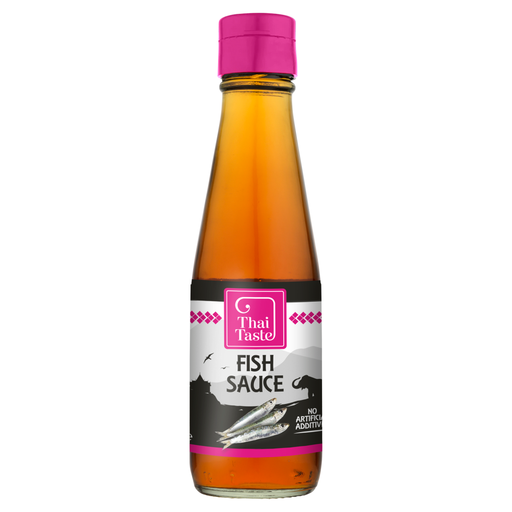
Why This Fits Their Persona: A liquid Thai staple for cooks who want savoury depth in stir-fries, curries, soups and dipping sauces.
The ingredient list identifies anchovies, water, salt and sugar, making its fish-based character clear rather than presenting it as a generic seasoning.
Ready to use; 200ml bottle; suitable for marinades, soups, curries and dipping sauces. Contains fish and may contain wheat or soya.
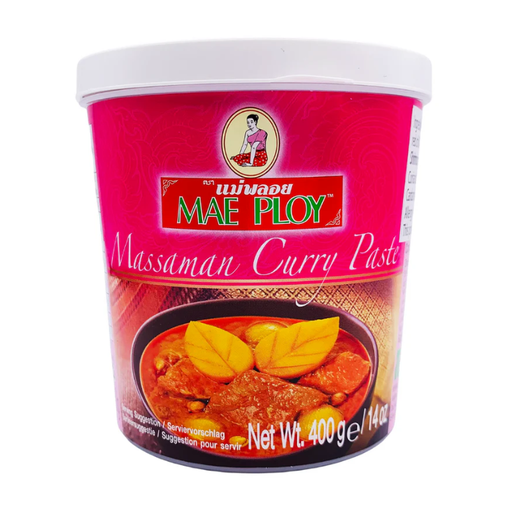
Why This Fits Their Persona: A larger format for regular Thai curry cooking with beef, lamb, chicken or vegetables.
The pack gives a practical preparation ratio: fry 50g with oil, add coconut milk and ingredients, then simmer. It is clearly a cooking paste, not a ready-to-eat sauce.
400g pack; includes lemongrass, galangal, shallot, chilli and spices. Contains shrimp paste and may contain several other allergens.
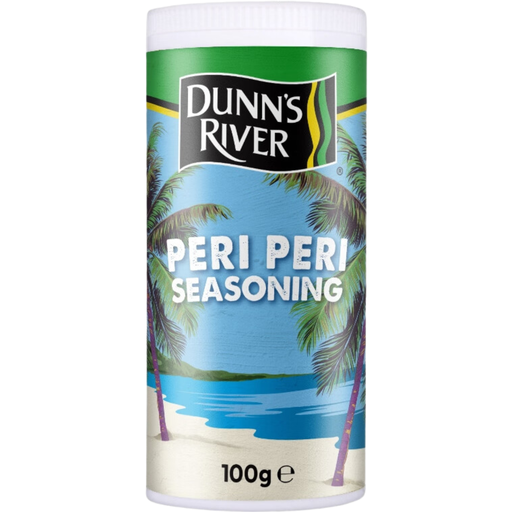
Why This Fits Their Persona: Suitable for spicy marinades and rubs for chicken, prawns, vegetables and grilled meats at barbecues or family meals.
Chilli and paprika are identified in the ingredients, and the product is labelled as hot. This gives a clearer indication than relying on a generic “spicy” description.
100g dry blend; works as a rub, marinade or sauce base. Contains flavour enhancers and may contain celery, mustard, gluten, soya, milk or sulphites.
We have compiled a complete, real-time list of products that fully satisfy these strict selection criteria and UK safety regulations.
The term covers dry spices, blended rubs, cooking sauces, pastes and fermented ingredients used in cuisines from regions including South Asia, Southeast Asia, China, Korea, Africa and the Caribbean. They can be used with meat, seafood, vegetables, noodles, rice and soups.
Keep dry products sealed in a cool, dry cupboard away from steam and direct sunlight. Store opened curry paste and Korean hot pepper paste according to the label, which may require refrigeration. Always follow the printed best-before or storage guidance.
Not automatically. Check the current packaging for bold allergen declarations and “may contain” warnings. Fish sauce contains anchovy, some curry pastes contain shrimp, and many sauces or blends include celery, mustard, soya or wheat.