
24/7 Customer Support

Free returns

Same-day & Next-day Delivery

Quality Guaranteed

Unlock Your Welcome Offers: FREE Delivery | Up to 80% OFF | Free 30-day JoyPlus trial
Download the APP
Choosing world food spices and seasonings can make everyday cooking more varied, but the shelves are full of blends that differ considerably in ingredients, heat, salt content, pack size and storage requirements. Whether you are preparing Indian spices, Caribbean seasonings, Cajun dishes or African recipes, a colourful label alone does not tell you whether a product suits your kitchen.
This guide highlights the main buying pitfalls and the practical details to check before choosing cooking spices in the UK.
Ground coriander, cumin, garlic powder, black pepper and chilli powder are usually single-ingredient products. Seasoning blends can contain salt, sugar, flour, flavour enhancers, anti-caking agents and several herbs or spices.
Neither format is automatically right for every recipe. A single spice gives you more control over flavour and salt. A blend is faster when you want a consistent profile for chicken, barbecue food or curry goat. Always read the ingredient list rather than relying on the recipe name on the front.
Some ready-made seasonings contain a high proportion of salt. For example, the listed nutrition information for Dunns River Curry Goat Seasoning shows 20g of salt per 100g, while Dunns River All Purpose Seasoning lists 45g per 100g. These products are intended to be used in small quantities, so check the serving guidance and season gradually.
Allergens also vary. Cajun seasoning may contain mustard or celery, barbecue seasoning may contain wheat and soya, and suya pepper mix contains peanuts. Read the current packaging before purchase, particularly when cooking for children, guests or anyone with a food allergy.
Large packs can appear economical, but dried spices gradually lose aroma after opening. Ground products generally expose more surface area to air than whole spices. Frozen ginger and garlic paste has a different storage requirement altogether and must remain at -18°C or below.
Choose a size that matches your cooking frequency. Store dry spices in a cool, dry, dark cupboard with the lid or bag securely closed. Do not keep them beside a hob, kettle or sink where heat and moisture can encourage clumping and flavour loss.
Start with the format:
For vegetarian and vegan cooking, check the label rather than assuming every seasoning is suitable. Product recipes and manufacturing sites can change.
The grind affects how a spice disperses. Fine garlic powder mixes easily into sauces, rubs and marinades. Coarse black pepper provides a more noticeable texture and can be added during cooking or at the table. Dried bay leaves should be removed before serving, while dried thyme can be rubbed between your fingers to release its aroma.
Heat also needs careful comparison. “Chilli” may refer to a mild seasoning or a very hot powder. Rajah Ground Extra Hot Chilli Powder is listed as 100% ground red chillies, so it is more concentrated than a mixed chilli seasoning. Add a small amount first and adjust to taste.
Compare pack size with how often you cook the relevant dishes. A 50g pack of cumin may suit occasional use, while a 100g bag of garlic powder or ground coriander may be more practical for regular cooking.
Before ordering, check:
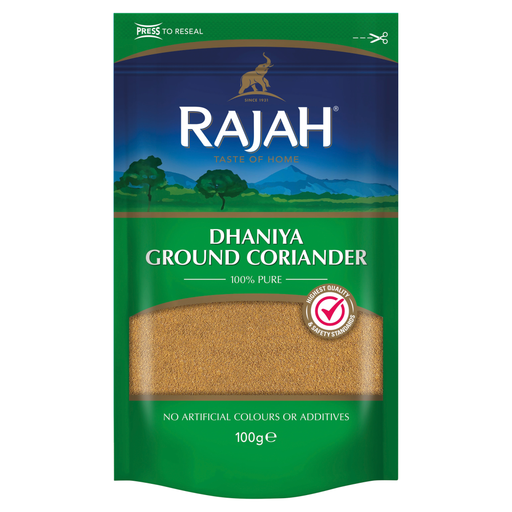
Why This Fits Their Persona: A 100g single-spice pack gives new cooks a flexible starting point for curries, lentils, chutneys, soups and marinades without committing to a large specialist collection.
The ingredients list is simply ground coriander seeds, making it easier to control salt and combine with other Indian spices.
100g quantity; single ingredient; suitable for vegetarian cooking; listed country of origin is India.
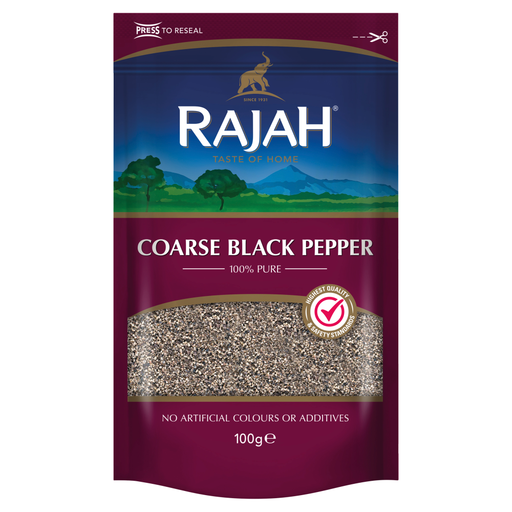
Why This Fits Their Persona: Suitable for cooks who want a visible pepper texture for finishing soups, curries, marinades and roasted vegetables.
The coarse format is clearly stated, avoiding the mismatch that occurs when shoppers expect a fine powder.
100% black peppercorns listed; 100g pack; no additives or preservatives stated in the product information.
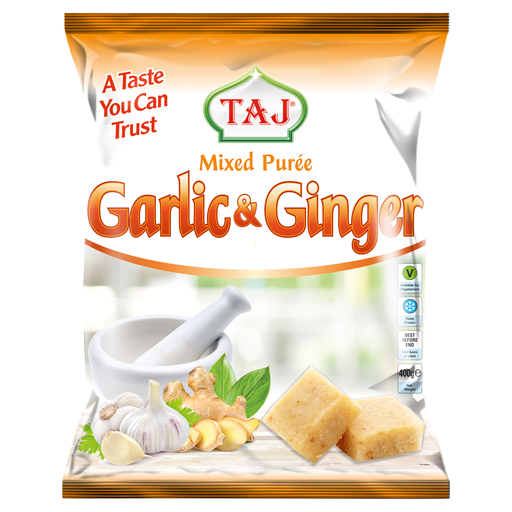
Why This Fits Their Persona: A practical option for households regularly cooking curries, marinades, sauces and stir-fries that want to reduce peeling and chopping.
The storage instruction is explicit: keep frozen at -18°C or below and do not refreeze after thawing.
400g pack; 50% garlic and 50% ginger; no added preservatives listed; can be used directly from frozen.
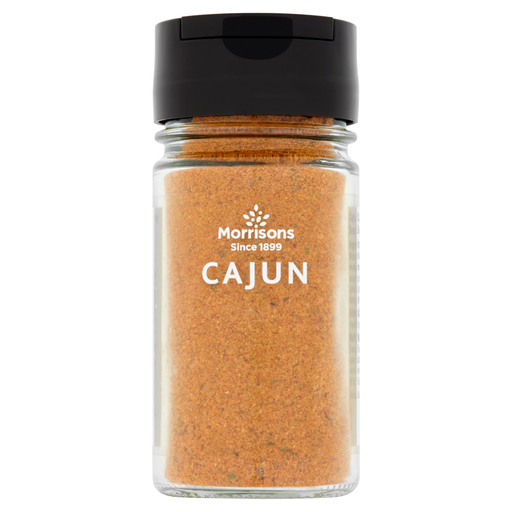
Why This Fits Their Persona: A compact blend for quick Cajun-style seasoning of vegetables, chicken, seafood or rice when you do not want to measure several separate spices.
The 48g size limits cupboard waste for occasional users, while the listed celery and mustard allergens make label checking straightforward.
Vegetarian-suitable blend; includes paprika, cumin, garlic, cayenne, herbs and black pepper; compact pack.
We have compiled a complete, real-time list of products that fully satisfy these strict selection criteria and UK safety regulations.
A flexible cupboard often includes a few single spices alongside ready-made blends:
Begin with versatile products such as garlic powder, ground coriander, cumin, black pepper, dried thyme and a mild chilli powder. Add a focused blend such as Cajun seasoning or chicken seasoning when you regularly cook those dishes.
Keep dry products sealed in a cool, dry, dark cupboard away from steam and heat. Use a clean, dry spoon and avoid shaking powder directly over a boiling pan. Frozen pastes should remain at the temperature stated on the packaging and should not be refrozen after thawing.
Some are, but the answer depends on the ingredients and manufacturing advice. Check for meat-derived ingredients, dairy, celery, mustard, wheat, soya and other declared allergens. A single-ingredient spice or dried herb can offer a simpler choice, but the packaging should still be checked before use.