
24/7 Customer Support

Free returns

Same-day & Next-day Delivery

Quality Guaranteed

Unlock Your Welcome Offers: FREE Delivery | Up to 80% OFF | Free 30-day JoyPlus trial
Download the APP
Exploring global cuisines from your own kitchen is one of life's great pleasures. Yet, the search for authentic world foods online UK can often feel like navigating a minefield. A promising jar of sauce arrives, only to taste nothing like the dish you remember from your travels or a favourite local restaurant. As a Joybuy Product Recommendation Officer, my role is to help you sidestep these common issues and find the authentic food ingredients that will truly elevate your cooking.
Before you add another disappointing sauce to your basket, let's look at the frequent pitfalls that catch out even seasoned home cooks.
To ensure you are buying genuine global cuisine ingredients, focus on a few key details that marketing hype cannot hide.
The ingredients are listed by weight, so the first few items tell you what the product is really made of. When looking for Asian cooking sauces, check the percentage of the key component. A quality chilli sauce should have a significant chilli content, not just sugar and water. For fermented products like Korean pastes or Chinese pantry staples, the primary soybean or broad bean should be high on the list, indicating a traditional production method rather than a sauce built from flavourings.
Knowing the difference between a paste and a sauce is crucial for getting the results you want.
While not a foolproof guarantee, a product made in its country of origin (e.g., a soybean paste from China or a sriracha from Thailand) is more likely to have an authentic flavour profile tailored to its native cuisine. Heritage brands that have been staples in their home countries for decades are often a reliable choice when searching for international groceries online.
To help you start your culinary journey, here are a few recommendations matched to different cooking styles and needs. Each one is chosen because it successfully avoids the common pitfalls and delivers on its promise.
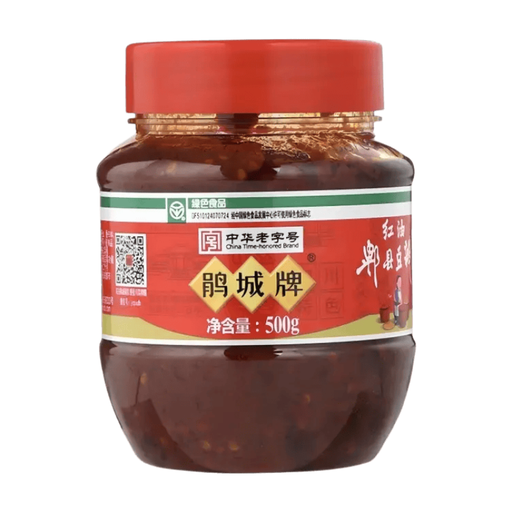
Why This Fits Their Persona: For anyone serious about recreating true Sichuan dishes like Mapo Tofu or Twice-Cooked Pork, Pixian bean paste (Doubanjiang) is non-negotiable. This is the foundational flavour of the cuisine.
This is a concentrated cooking paste, not a diluted "Sichuan-style" sauce. Its primary ingredients are red chillies and broad beans, and it requires frying in oil to develop its deep, savoury flavour and signature red colour.
From a heritage brand and certified as an intangible cultural heritage product, this paste provides an unmatched depth of flavour. It is the real article for authentic Sichuan cooking.
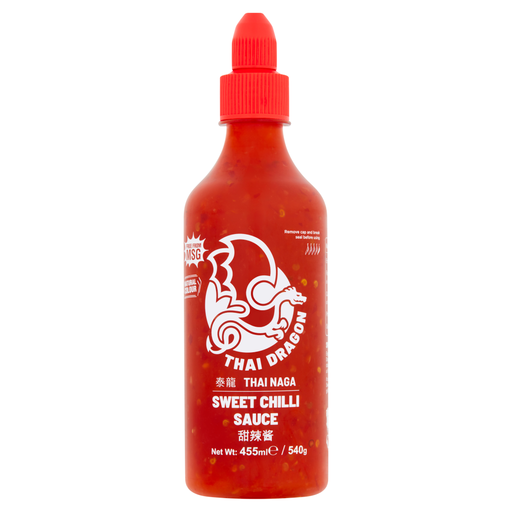
Why This Fits Their Persona: Perfect for the busy home cook who wants a reliable, flavourful shortcut. This is a versatile staple for dipping spring rolls, chicken or even adding a sweet and spicy kick to a quick stir-fry or wrap.
This isn't an overly sugary, generic sweet sauce. With 20% pickled chilli, it has a genuine fruity and spicy edge. The label clearly states its purpose as a dip and dressing, managing expectations perfectly.
It's a ready-to-use sauce that delivers a classic Thai flavour profile. The large 455ml bottle offers great value for a product that will be reached for time and again. It is also Halal certified.
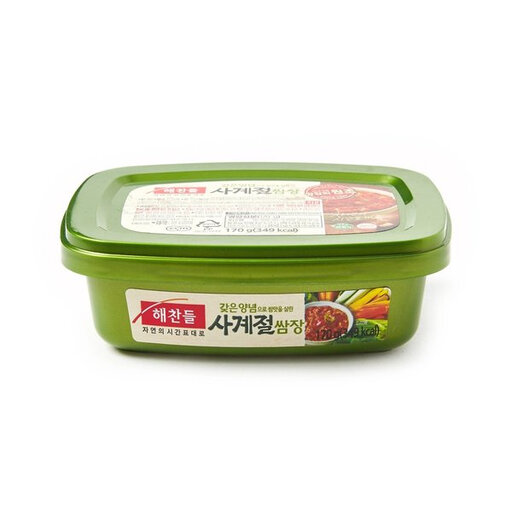
Why This Fits Their Persona: For those wanting to make hearty Korean stews (Jjigae) or dipping sauces (Ssamjang), a good quality soybean paste (Doenjang) is essential. This product offers a convenient, pre-seasoned starting point.
It avoids the confusion of generic "soybean pastes" by being specifically formulated for Korean cuisine by a leading Korean brand (CJ). This ensures the correct pungent, umami-rich flavour profile needed for authentic dishes.
The pre-seasoned nature of this paste simplifies the cooking process, providing a balanced flavour base that is ready to be added to stews, soups or marinades with minimal fuss.
We have compiled a complete, real-time list of products that fully satisfy these strict selection criteria and UK safety regulations.
This is a common point of confusion. While both are fermented soybean products, their flavour and usage differ significantly. Chinese pantry staples include several types: yellow soybean paste (Huangdoujiang) is salty and savoury, sweet bean paste (Tianmianjiang) is sweet and used for glazes, and Pixian bean paste (Doubanjiang) is spicy and pungent. In contrast, Korean pastes like Doenjang have a uniquely deep, earthy and salty flavour, primarily used as a base for iconic stews like Doenjang Jjigae. They are not typically interchangeable.
This depends on the ingredients. High-salt and high-vinegar products like soy sauce or a Thai dipping sauce can last for many months in the fridge. Fermented cooking pastes are also very stable; store them in the refrigerator and always use a clean, dry spoon to scoop them out to prevent contamination, and they can last for six months or more. Sauces with a higher sugar or oil content, like some sweet chilli sauces or satay sauces, may have a shorter shelf life of around 4-12 weeks after opening, so it is always best to check the label.
The key is to buy from retailers who provide clear, detailed information. Look for complete ingredient lists with percentages, clear allergen information and the product's country of origin. Reading product descriptions carefully to understand if it's a concentrated paste or a ready-to-use sauce will help you choose the right product for your recipe and bring the true taste of global cuisine to your home.