
24/7 Customer Support

Free returns

Same-day & Next-day Delivery

Quality Guaranteed

Unlock Your Welcome Offers: FREE Delivery | Up to 80% OFF | Free 30-day JoyPlus trial
Download the APP
Finding world foods online in the UK can make everyday cooking more varied and convenient, particularly for expatriate communities, busy households and home cooks recreating familiar recipes. However, attractive packaging and broad “international” labels do not always tell you whether a product suits your cooking, storage space or dietary requirements.
This guide explains the main buying pitfalls, the label details worth checking and a selection of Asian grocery products, Mediterranean ingredients and familiar UK cupboard staples for different shopping needs.
A larger pack may appear cheaper, but opened jarred food often needs refrigeration and must be used within a limited period. This matters for products such as pickled vegetables, spreads and preserves, houmous and sauces.
Before choosing a larger size, check:
For example, tuna multipacks can be convenient because each can is portioned, while a large jar of condiment may be less suitable for occasional use.
“Chilli”, “spicy” or “traditional” can mean different things across cuisines. A Chinese chilli sauce may be savoury and fermented rather than simply hot. Thai cooking ingredients may contain shrimp paste, while Japanese condiments can include sweeteners or flavour enhancers.
Read the ingredient list, not just the front label. Look for the main flavour components, such as fermented black beans, chilli percentage, garlic, vinegar, sesame or seafood ingredients.
Imported foods UK shoppers buy online may use familiar ingredients in less familiar combinations. Important allergens can include fish, crustaceans, soybeans, wheat, egg, milk, sesame, mustard, celery, sulphites and nuts.
Also check whether a product is ready to eat or requires cooking. Mae Pranom Thai Chilli Paste, for example, is intended to be fried in oil until fragrant before other ingredients are added. This differs from a ready-to-use dipping sauce.
Use the product page and packaging to confirm ingredients before ordering, especially if cooking for children, guests or anyone with an allergy. Some examples from this selection include:
Allergen information can change, so always check the current label when the food arrives.
For canned and jarred foods, compare both the total pack size and the amount you will actually eat. A 500g tuna multipack contains four 125g cans, while a 215g jar of sliced jalapeños has a stated drained weight of 115g.
For sauces and pastes, concentration also affects portion size. A strongly flavoured chilli paste may be used by the tablespoon, whereas a milder condiment might be added more generously. This helps you compare cost per meal rather than cost per jar.
Most international food cupboard staples are convenient because they can be stored at ambient temperature before opening. Once opened, requirements vary:
Keep jars away from heat and direct sunlight, and reject sealed jars or cans if the safety button is raised, the packaging is damaged or the seal appears compromised.

Why This Fits Their Persona: Four separate cans provide measured portions for sandwiches, salads, pasta and quick lunches without committing to one large opened container.
The pack size is clearly divided into four 125g cans, helping reduce unused leftovers. The ingredients are tuna, spring water and salt.
Each 125g can is ready to drain, and the listed protein content is 25g per 100g drained. Contains fish.
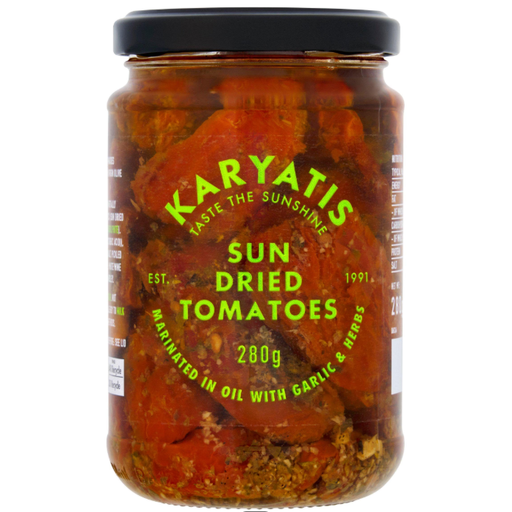
Why This Fits Their Persona: A Mediterranean ingredient for cooks who want concentrated tomato flavour in pasta, salads, sandwiches and pizza without preparing fresh produce.
The listing specifies the oil marinade, tomato proportion and post-opening storage, rather than relying only on broad Mediterranean-style wording.
Includes sunflower oil, extra virgin olive oil, garlic, herbs and vinegar. Refrigerate after opening and keep the tomatoes covered in oil.
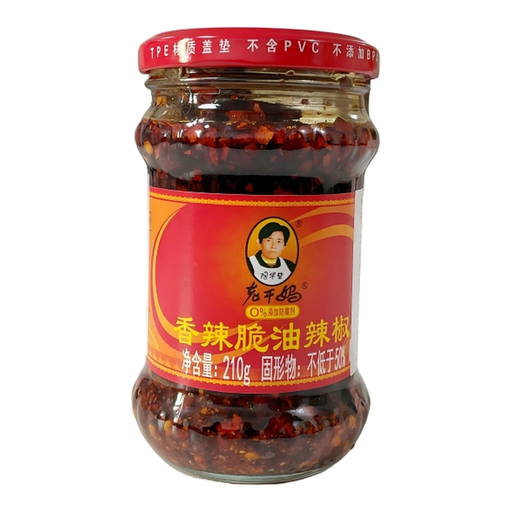
Why This Fits Their Persona: Suits regular users of Chinese chilli sauces who want a spoonable topping for noodles, rice, dumplings, hot pot or stir-fries.
The ingredient declaration identifies chilli flakes, peanuts and soybeans, helping shoppers understand both texture and allergen considerations.
Ready to eat from the jar, with chilli flakes, peanuts and black beans. Contains soybeans and flavour enhancers.
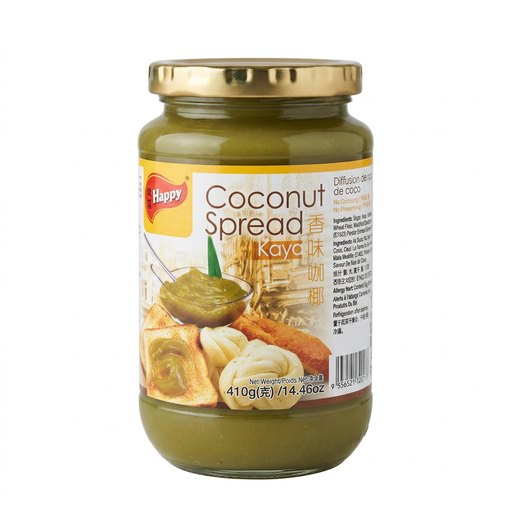
Why This Fits Their Persona: A Southeast Asian spread for shoppers who want an alternative to conventional preserves for toast, buns, pancakes and desserts.
The listing clearly identifies coconut, egg and wheat, while storage instructions explain that the jar should be refrigerated after opening.
410g jar with coconut and pandan extract. The product is described as halal certified and is made in Malaysia.
We have compiled a complete, real-time list of products that fully satisfy these strict selection criteria and UK safety regulations.
Online prices vary by product, pack size, delivery offer and availability. Multipacks can reduce the cost per portion, while imported speciality ingredients may cost more because of sourcing and distribution. Compare price per 100g, drained weight and the number of servings you expect to make.
Unopened shelf life depends on the product and its best-before date. Canned tuna, unopened pickles and sealed sauces can generally be stored in a cool, dry cupboard, but always follow the packaging. Once opened, many products need refrigeration and should be used within days or weeks rather than stored indefinitely.
Check the full ingredients, allergen declaration, country of origin, preparation instructions, net or drained weight and storage requirements. This is particularly important for Thai cooking ingredients, Japanese condiments, Chinese chilli sauces and pickled vegetables, where seafood, soy, wheat, sesame or mustard may be included.