
24/7 Customer Support

Free returns

Same-day & Next-day Delivery

Quality Guaranteed

Unlock Your Welcome Offers: FREE Delivery | Up to 80% OFF | Free 30-day JoyPlus trial
Download the APP
Shopping for world foods online can make Japanese, Chinese, Thai, Malaysian and other international flavours easier to enjoy at home. However, attractive packaging and broad descriptions do not always tell you whether a product suits your kitchen, dietary needs or storage space.
For UK shoppers, the most common buying mistakes are usually practical rather than culinary.
A packet mix may only provide seasoning, sauce or batter. For example, a Japanese tempura batter mix still requires seafood or vegetables, cold water and hot oil. A Pad Thai sauce mix requires noodles and additional ingredients, while Chinese dim sum generally needs freezer storage and steaming.
Before ordering, check:
International foods can contain familiar UK allergens in less expected formats. Soy may appear as soy lecithin or soybean powder, milk can be present in coffee creamer, and fish sauce is a key ingredient in some Thai cooking sauces.
Always read the current UK label before purchase, particularly for:
Product information can change, so the packaging remains the most reliable source at the point of use.
A large bag is not necessarily economical if it contains a small number of portions or loses freshness after opening. Individual portions, such as instant coffee sachets or soy milk powder sticks, may reduce waste for occasional users. Conversely, larger seasoning mixes can suit households cooking the same style of food regularly.
Compare the number of servings, preparation requirements and storage life rather than relying only on gram weight.
Convenience varies considerably across world foods online. Instant coffee sachets and matcha latte powder usually need only hot water or milk. A seasoning mix may need additional oil, coconut milk or meat substitutes. Frozen Chinese dim sum requires freezer space and cooking according to the pack instructions.
For busy households, look for:
For example, Yutaka Tempura Batter Mix uses 100g mix with 150ml cold water, while Lobo Pad Thai Stir Fry Sauce Mix is designed for two servings and includes a sauce portion and crushed peanuts.
A short ingredients list does not automatically mean a product suits every diet. Check the allergen emphasis and nutritional panel, especially for salt and sugar in gravy sachets, seasoning mixes and sweetened drinks.
Some useful comparisons include:
These details help distinguish an everyday pantry purchase from a product intended as an occasional treat.
Check whether the product needs a cool, dry cupboard, refrigeration or storage at -18°C or below. Frozen dim sum should not be refrozen after thawing, while opened dry mixes should be sealed carefully to protect them from moisture.
Cooking safety matters too. Tempura involves hot oil, gravy mixes need heating, and soup bases should be dissolved in boiling water before simmering. Follow the instructions on the packaging rather than assuming every packet mix works in the same way.
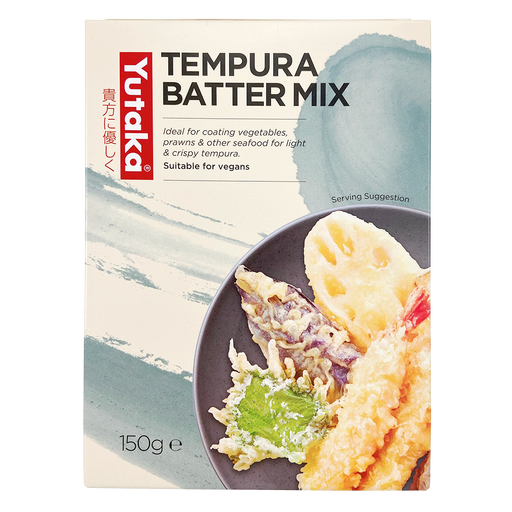
Why This Fits Their Persona: A straightforward entry point for home cooks exploring Japanese food online without buying multiple specialist ingredients.
The preparation ratio is stated clearly, so shoppers can plan the amount needed instead of guessing from the front-of-pack imagery.
150g pack; contains wheat and soy; suitable for seafood, vegetables and meat when deep-fried according to instructions.
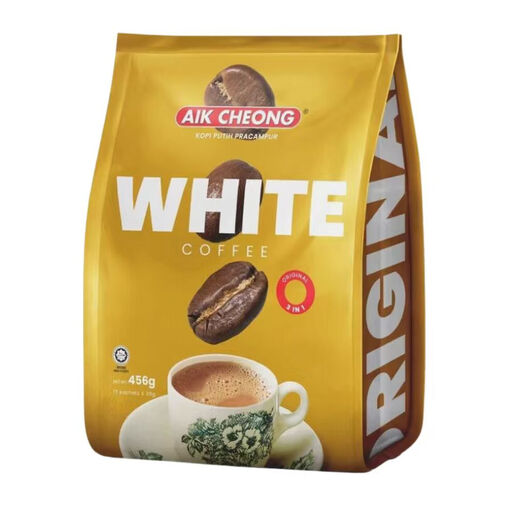
Why This Fits Their Persona: A suitable choice for shoppers seeking Malaysian white coffee with a defined serving format for home or office use.
The box contains 12 sachets and gives a preparation range of 180–200ml boiling water, making portion planning clear.
38g sachets; made in Malaysia; contains milk and is described as halal-certified in the supplied product information.
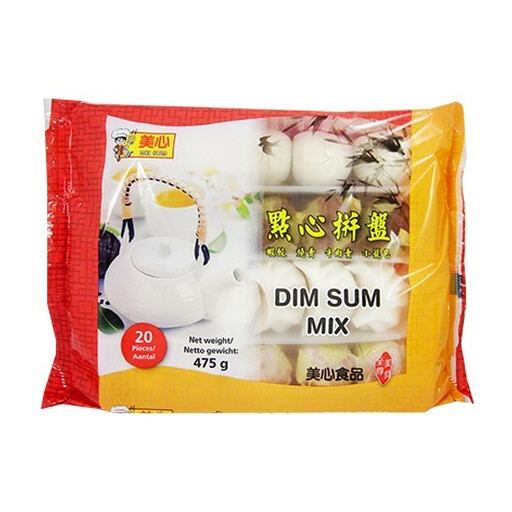
Why This Fits Their Persona: Useful for households wanting several Chinese dim sum varieties for family meals, snacks or sharing.
The pack states that it contains 20 pieces and identifies freezer storage at -18°C or below, helping buyers check capacity before ordering.
Includes shrimp dum, siu mai, beef siu mai and steamed buns; contains crustaceans, wheat, soy and sesame.
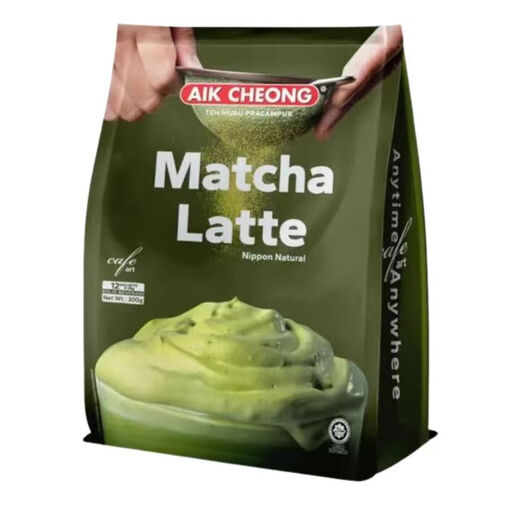
Why This Fits Their Persona: A convenient option for UK shoppers who want matcha latte powder in individually portioned sachets rather than loose ingredients.
The sachet format limits measuring errors and keeps the powder sealed until preparation.
12 x 25g sachets; can be mixed with hot water or milk; contains milk and may contain traces of soy.
We have compiled a complete, real-time list of products that fully satisfy these strict selection criteria and UK safety regulations.
A broader international groceries UK selection can help you build a meal rather than buying one isolated product. Consider pairing:
For cupboard planning, dry products such as braising spice packets, soup base mixes and packet sauces are generally easier to store than frozen foods. Keep all items in their recommended conditions and check best-before information before use.
It can be convenient for finding specialist products and multipacks, but delivery charges and pack sizes affect the final cost. Compare the cost per serving, not only the listed product price. Online shopping can also reduce the need for several separate journeys when you are building a themed cupboard selection.
Most dry mixes and instant drinks should be kept sealed in a cool, dry place away from heat and moisture. Reseal opened packets promptly. Frozen dim sum requires freezer storage at the temperature stated on the packaging and should not be refrozen after thawing.
Single-serve drinks, gravy sachets, soup bases and seasoning mixes usually require fewer ingredients and less preparation. Japanese tempura batter mix and Thai sauce mixes are also accessible starting points, provided you have the required fresh ingredients and follow the cooking instructions carefully.