
24/7 Customer Support

Free returns

Same-day & Next-day Delivery

Quality Guaranteed

Unlock Your Welcome Offers: FREE Delivery | Up to 80% OFF | Free 30-day JoyPlus trial
Download the APP
Buying world foods online in the UK can bring Korean kimchi, South Asian chutneys, Japanese pickles, Chinese preserved vegetables and European fruit preserves to your kitchen without visiting several specialist shops. However, attractive packaging and unfamiliar product names can make it difficult to compare items properly.
This guide explains what to check before ordering international food online, from ingredients and allergens to storage and pack size. It also highlights suitable options for different shopping needs.
Words such as “authentic”, “traditional” and “homemade style” describe positioning rather than a guaranteed taste or recipe. Always read the ingredient list to understand what you are buying.
For example, Korean kimchi may contain cabbage, chilli, garlic, ginger and fermented ingredients, while other products may include acidity regulators or stabilisers. A jar of Japanese pickles can also vary significantly in salt content and preparation method.
An ambient product may be convenient for a cupboard, but not every preserve or pickle remains suitable at room temperature after opening. Check whether the item needs refrigeration and how quickly it should be consumed.
This is particularly important when buying world food grocery delivery online. A product that looks like a pantry staple may still require chilled storage once opened.
A low headline price does not always represent better value. Compare the net weight, number of individual packs and serving purpose. A 50g preserved fruit snack, a 150g side dish and a 370g jar of jam are designed for different uses, so price per 100g is a more practical comparison.
For UK shoppers, the product page and packaging should provide clear information about ingredients and allergens. Look for allergens highlighted in the ingredient list, including soya, wheat, mustard, sesame, sulphites and eggs.
Do not assume a product is vegetarian, vegan or gluten-free because it is made from vegetables or fruit. For example:
Always check the current packaging, particularly if you have an allergy or follow a restricted diet.
Country of origin helps you understand where a product was made, but it does not by itself guarantee a particular flavour. A product made in South Korea, China, Japan, France or Pakistan may suit different recipes and preferences.
For imported food UK purchases, also check that the listing provides relevant UK importer or responsible-person information where applicable. This gives you a clearer route for product queries and supports more informed purchasing.
Check three practical details before adding an item to your basket:
For example, Bibigo Sliced Kimchi Ambient is supplied in a 150g pack and can be stored in a cool, dry place before opening. By contrast, many fruit conserves should be refrigerated after opening. These differences affect how well the item fits your household routine.

Why This Fits Their Persona: A familiar-sized jar suits shoppers starting to explore European fruit jam and marmalade-style products for toast, baking and everyday breakfasts.
The 370g quantity makes it easier to compare against other conserve jars rather than judging value from the product name alone. The listing states refrigeration after opening.
Contains apricots, sugar, cane sugar, lemon juice concentrate and pectin. The product information lists no allergens.

Why This Fits Their Persona: Suitable for shoppers seeking a ready-to-serve Korean side dish with a stated South Korean origin and convenient sliced format.
The listing clearly states a 150g net quantity, ambient storage before opening and a soya allergen, helping avoid assumptions based on the word “kimchi” alone.
Sliced napa cabbage is combined with red pepper powder, garlic, ginger and green onion. Use with rice, ramen, stir-fries or stews.
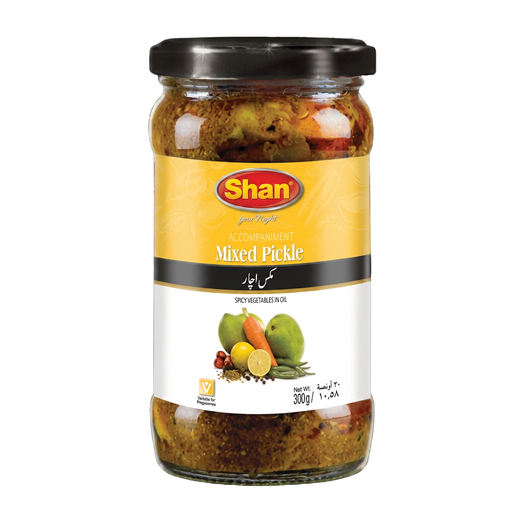
Why This Fits Their Persona: A practical choice for South Asian groceries, particularly when one jar needs to accompany regular rice, curry and everyday meals.
The named mix identifies mango, carrot, lemon and green chilli, so buyers can assess the flavour profile instead of relying only on front-label imagery.
Supplied in a 300g jar with sunflower oil, mixed spices, salt, acetic acid, citric acid and mustard listed among the ingredients.
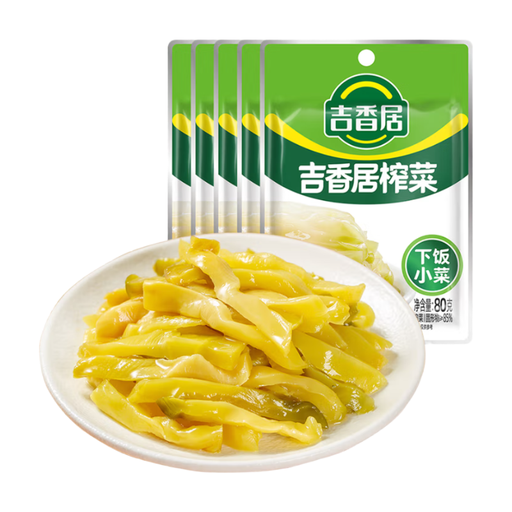
Why This Fits Their Persona: Five individual packs work well for households that want portioned Chinese preserved vegetables for noodles, rice, snacks or packed lunches.
The pack format and total quantity are explicit: five 80g bags. This reduces waste when you prefer smaller portions instead of one large opened container.
The ingredients list mustard stem, soya sauce and chilli. It contains soya and cereals containing gluten, including wheat.
We have compiled a complete, real-time list of products that fully satisfy these strict selection criteria and UK safety regulations.
International groceries do not need complicated recipes. Try:
It can be convenient, particularly when combining several products in one order, but compare the item price, delivery charge, pack size and storage life. A larger jar is not automatically more economical if your household will not use it before the opening instructions recommend.
The unopened shelf life varies by product and should be checked on the packaging. After opening, many jars require refrigeration and prompt consumption. Ambient storage before opening does not mean the product can remain unrefrigerated indefinitely after use.
Read the full ingredient list and allergen statement each time. Pay particular attention to soya and wheat in preserved vegetables, mustard in mixed pickle, sulphites in some dried fruit and eggs in preserved duck eggs. Product details can change, so the packaging remains the final reference before consumption.