
24/7 Customer Support

Free returns

Same-day & Next-day Delivery

Quality Guaranteed

Unlock Your Welcome Offers: FREE Delivery | Up to 80% OFF | Free 30-day JoyPlus trial
Download the APP
Finding authentic ingredients to recreate your favourite global dishes can be a challenge. The convenience of buying world foods online is undeniable, but the digital aisles are filled with potential pitfalls that can lead to disappointing meals and wasted money. As the Joybuy Product Recommendation Officer, my role is to help you navigate the market and find the products that deliver genuine flavour and value. Let's look at the common traps and how to sidestep them.
Many home cooks in the UK are let down by products that don't live up to their "authentic" labels. Before you add anything to your basket, be aware of these common issues:
To ensure your home-cooked Pad Thai or Filipino Sinigang tastes just right, focus on these key details when selecting your Asian cooking ingredients.
The origin of a product is a strong indicator of its authenticity. A sauce made in its native country is more likely to follow a traditional recipe using local ingredients. For example, if you want to buy kecap manis for an Indonesian Nasi Goreng, a product made in Indonesia will almost certainly use palm sugar, giving it that distinct, molasses-like sweetness that a generic "sweet soy sauce" from elsewhere cannot replicate. Similarly, for authentic Thai food products, look for items manufactured in Thailand.
The ingredient list is your most reliable source of truth. Look for the percentage of the key flavour component. A quality fish sauce UK should list anchovies or fish extract as its first or second ingredient, not just salt and water. When buying a chilli sauce like sambal oelek paste, chillies should be the main component, indicating a focus on pure heat and flavour rather than sweetness. Be wary of long lists of flavour enhancers, artificial colours and preservatives, as they can be used to mask low-quality base ingredients.
Not all Southeast Asian sauces are interchangeable. A Malaysian chilli sauce is often sweeter and garlickier, while an Indonesian sambal is typically fierier and more focused on pure chilli. A creamy sriracha mayo is a modern fusion condiment perfect for dipping, whereas a traditional shrimp paste is a pungent, salty ingredient used as a foundational flavour base in curries and dips. Knowing what flavour profile you need for your dish will help you select the right product and avoid disappointment.
Based on these criteria, here are a few recommendations from our catalogue, matched to different types of home cooks.

Why This Fits Their Persona: This is a perfect entry point for those new to Asian flavours. It combines the familiar creaminess of mayonnaise with the trendy, garlicky heat of sriracha, making it incredibly versatile for use on chips, burgers, wraps and as a dip.
It avoids the "authenticity illusion" by being transparently a fusion product. It doesn't pretend to be a traditional paste; it's a modern condiment that delivers a reliable and consistent flavour from a well-regarded brand.
It's vegan and gluten-free, making it suitable for a wide range of dietary needs. The creamy texture balances the mild-to-medium chilli heat, making it very approachable.
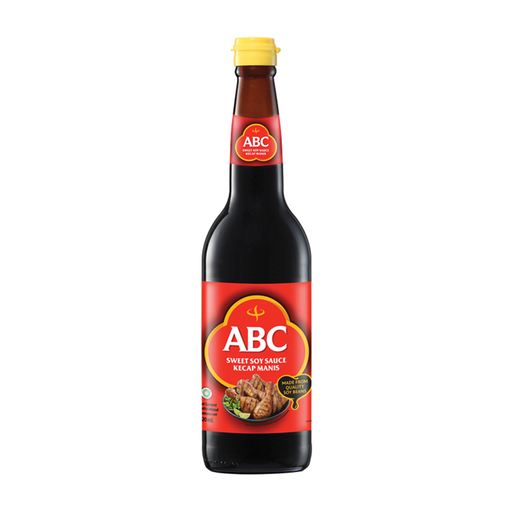
Why This Fits Their Persona: For anyone wanting to cook genuine Indonesian food, this is a non-negotiable pantry staple. It's the foundational flavour for dishes like Nasi Goreng, satay marinades and Bami Goreng. This brand is a household name in Indonesia.
This product is made in Indonesia and uses palm sugar, which provides the authentic, rich, molasses-like flavour that cannot be replicated by generic "sweet soy sauces" made with regular sugar or corn syrup.
Its thick, syrupy consistency is perfect for glazes and marinades. The large 620ml bottle offers excellent value for a core ingredient you'll use frequently.
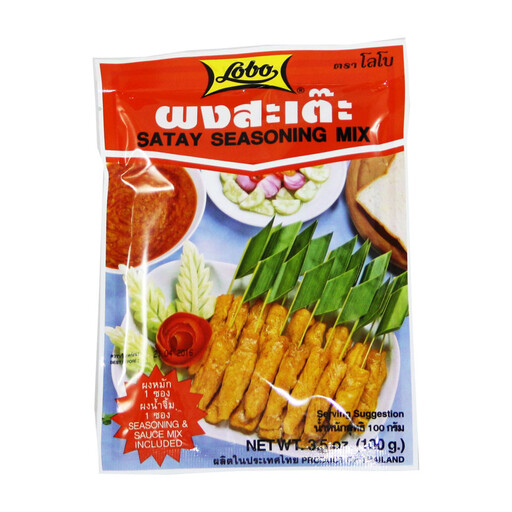
Why This Fits Their Persona: This is for the cook who wants to make an authentic satay sauce or marinade without having to source and measure over a dozen individual spices. It's a convenient shortcut to a complex and beloved Thai dish.
It avoids the trap of poor value by providing a concentrated base. Instead of buying large packets of spices you'll rarely use, this mix contains the essentials like coriander, cumin and peanut powder in one go.
It's highly versatile; you can use it to create a dipping sauce by adding coconut milk, or use it as a dry rub or marinade paste for grilling. It simplifies the process of making authentic satay seasoning.
We have compiled a complete, real-time list of products that fully satisfy these strict selection criteria and UK safety regulations.
This varies by product, but there are some general guidelines. High-salt and high-acidity sauces like fish sauce and sriracha are very stable and can last for many months in the refrigerator without significant loss of quality. Thicker sauces like oyster sauce and kecap manis should also be refrigerated and typically last for several months. Pungent pastes like shrimp paste are heavily salted and can last for a very long time when refrigerated. Always check the packaging for specific storage instructions.
For an authentic Indonesian flavour, it's not recommended. Kecap manis is much thicker, darker and has a unique, complex sweetness derived from palm sugar. Standard "sweet soy sauce" is often just regular soy sauce with added cane sugar or corn syrup, resulting in a thinner consistency and a simpler sweet-salty taste. Using it will change the final character of your dish.
Both cuisines feature sour soups, but they use different primary souring agents. Thai Tom Yum often gets its sourness from lime juice and lemongrass. In contrast, a classic Filipino grocery online find for sour soup is a Sinigang mix, which traditionally uses tamarind (sampalok) as its base, giving it a distinctly different, deeply fruity sourness. Choosing the right base is crucial for an authentic result.