
24/7 Customer Support

Free returns

Same-day & Next-day Delivery

Quality Guaranteed

Unlock Your Welcome Offers: FREE Delivery | Up to 80% OFF | Free 30-day JoyPlus trial
Download the APP
Exploring the world of international fizzy drinks can be a fantastic way to discover new tastes, from sweet Japanese sodas to tangy Mexican soft drinks. However, the online marketplace is filled with options and it's easy to feel disappointed if a product doesn't meet your expectations. Many UK shoppers find themselves paying a premium for a drink that tastes surprisingly different from what they imagined or is packaged more for novelty than for genuine enjoyment.
Before you add that intriguing bottle to your basket, it's worth understanding a few common pitfalls. Some drinks are marketed as "authentic" but use different ingredients than the original, while others have unusual flavour profiles that aren't always clear from the label. This guide will help you navigate the exciting world of exotic sodas and make choices you'll truly enjoy.
To avoid disappointment, a quick check of the label for a few key details can make all the difference. Focusing on these factors will help you understand exactly what you are buying.
The type of sweetener used has a significant impact on the taste and mouthfeel of a soft drink. Many enthusiasts of Mexican soft drinks, for example, seek them out specifically because they are often made with cane sugar. This provides a cleaner, less cloying sweetness compared to the fructose-glucose syrup (often called high-fructose corn syrup or HFCS) commonly used in many global beverage productions. If you're after a specific, traditional taste, checking the ingredients list for the sweetener type is crucial. Other drinks may use artificial sweeteners like Aspartame or Acesulfame-K, which offer a zero-sugar option but have a distinct aftertaste that differs from sugar.
A drink may be from a Japanese brand, but is it actually made in Japan? The "country of origin" information on the label is the definitive source. While many brands maintain high quality standards globally, purists looking for the most authentic experience often prefer products made in their home country. This can be particularly relevant for certain Japanese drinks in the UK, where regional water sources and production methods can contribute to a unique flavour. Always check the back of the bottle or can for the "Made in..." or "Product of..." information.
One of the most common surprises when trying unique flavoured drinks is an unexpected taste profile. A "strawberry" soda from Korea might be creamy and milky, while one from Mexico could be intensely sweet and fruity. Look for descriptive words on the packaging or in the product description. Terms like "milky," "creamy," "yogurt flavour," "tangy" or "aromatic" can give you a much better clue about the experience than the fruit name alone. This is especially true for Korean soda like Milkis, which is known for combining carbonated water with milk and fruit flavours.
To help you get started, we've matched a few distinctive international fizzy drinks to different tastes and preferences.
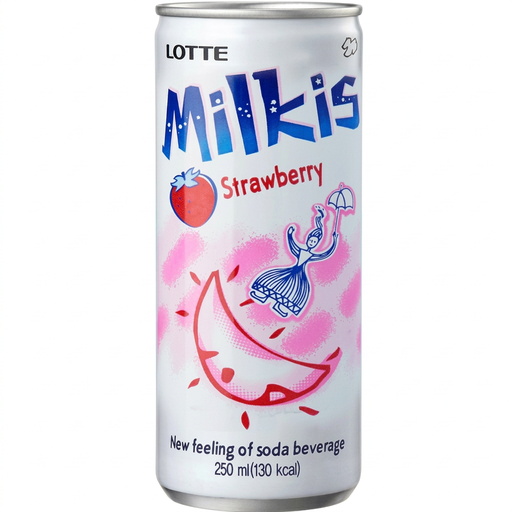
Why This Fits Their Persona: This Korean soda is a perfect entry point for someone curious about different drink textures. It blends the familiar fizziness of a soft drink with a smooth, creamy base, offering a unique experience that is refreshing and different without being too challenging.
It avoids the "unexpected flavour" pitfall. The name "Milkis" and the ingredient list, which includes Skim Milk Powder and Yogurt Flavour, clearly signal that this is not just a standard fruit soda, setting the right expectation for its creamy profile.
Offers a unique, smooth and creamy texture combined with light carbonation. It's a classic example of a popular style of Korean soda.

Why This Fits Their Persona: For someone who wants an authentic taste of Mexico, Jarritos is an iconic choice. This cola is specifically for those who appreciate the subtle but distinct difference that comes from using real sugar instead of corn syrup.
This product directly counters the "inauthentic ingredient" pitfall. The product description highlights that it is sweetened with pure cane sugar and is made in Mexico, assuring the buyer they are getting the genuine article.
Made with 100% real cane sugar for a crisp, clean taste. It is produced in Mexico, ensuring an authentic flavour profile.
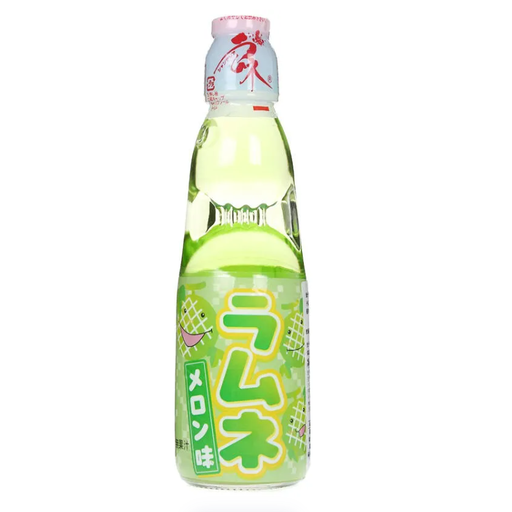
Why This Fits Their Persona: Perfect for parties, picnics or just a bit of fun, the appeal of Ramune soda is as much about the experience as the drink itself. The challenge of popping the marble makes it a memorable and interactive treat for all ages.
This avoids the "novelty trap" by being transparent. The product information highlights the iconic Codd-neck glass bottle and marble stopper as a key feature, framing it as a "fun, interactive element" and managing expectations for a playful experience.
The unique marble-sealed bottle provides a memorable opening experience. It features a sweet and refreshing melon flavour, popular in Japanese confectionery.
We have compiled a complete, real-time list of products that fully satisfy these strict selection criteria and UK safety regulations.
Ramune is a popular Japanese carbonated soft drink known for its distinctive bottle design, called a Codd-neck bottle. It is sealed with a glass marble which is held in place by the pressure of the carbonation. To open it, you remove the plastic wrapper from the top, take the included plunger tool, place it on top of the marble and push down firmly to release the marble into a chamber in the bottle's neck.
The primary reason is the sweetener. Many soft drinks produced in Mexico, including popular brands, are made with 100% cane sugar. In contrast, versions of the same drinks produced in other countries often use fructose-glucose syrup (HFCS). Many people find that cane sugar provides a crisper, cleaner and less syrupy taste.
While some larger supermarkets have a limited world food section, specialist online retailers offer a much wider selection. Websites that focus on imported groceries are your most reliable source for finding a broad range of Japanese drinks in the UK, from Ramune and melon sodas to unique canned coffees and teas. This allows you to explore different brands and flavours that are not typically available on the high street.