
24/7 全天候客户支持

免费退货

当日/次日达

品质保障

开启新人专享福利: 全场免邮 | 低至 2 折 | 免费试用 30 天 JoyPlus 会员
下载 Joybuy
From the classroom to the office, and the artist's studio to the kitchen notepad, the humble writing pencil remains an essential tool. Yet, choosing the right one can be surprisingly complex. With so many options available, it's easy to end up with a pencil that constantly breaks, feels uncomfortable or simply isn't suited for your task. As a Joybuy Product Recommendation Officer, my role is to help you navigate the market and find a pencil that genuinely meets your needs, without falling for common marketing traps.
This guide will break down the key features to look for and highlight some common pitfalls to avoid, ensuring your next pencil purchase is a smart one.
Before we look at what makes a good pencil, let's identify the issues that often lead to a disappointing purchase.
To make an informed choice, focus on these three non-negotiable specifications.
The code on a pencil (e.g., HB, 2B) indicates the hardness of its graphite core. This is crucial for getting the right result.
The shape of the pencil barrel has a significant impact on comfort, especially for children or during long writing sessions.
Here are a few recommendations from our catalogue, matched to different user needs.
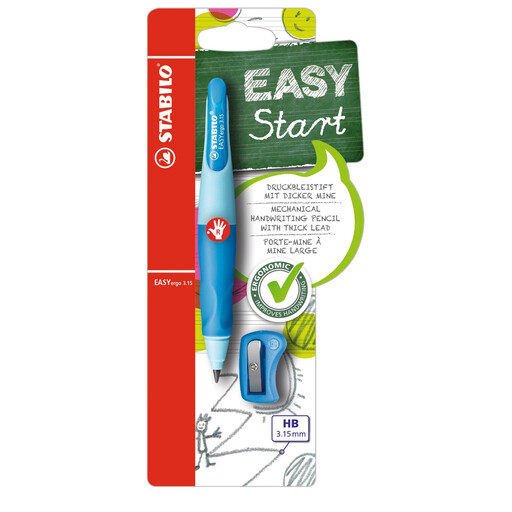
Why This Fits Their Persona: This pencil is specifically developed for children starting to write. Its design is approved by the National Handwriting Association and recommended by teachers for helping to establish a correct grip from an early age. A left-handed version is also available.
It provides true ergonomics with its non-slip, moulded grip zone, not just a superficial label. The extra-thick 3.15mm lead is highly break-resistant, directly solving the brittle lead problem for young, heavy-handed writers.
Promotes the recommended tripod grip to reduce hand fatigue. Being a mechanical pencil, it never needs sharpening, ensuring it's always ready for homework.
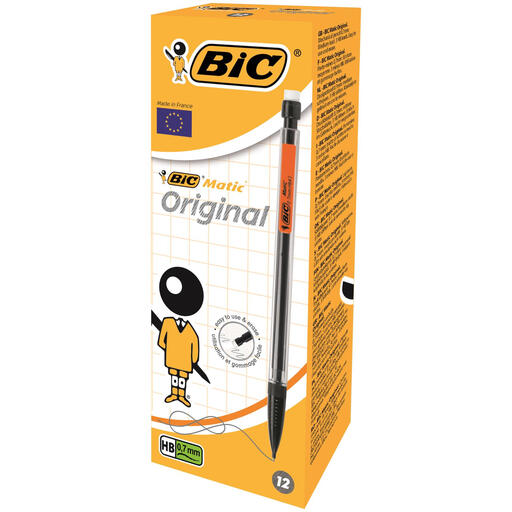
Why This Fits Their Persona: This is a practical, no-fuss solution for anyone needing a reliable supply of writing tools. The large pack size offers excellent value, making it perfect for stocking up a home office, a student's desk, or a shared stationery cupboard.
As a mechanical pencil, it completely sidesteps the issue of poorly bonded lead in cheap wooden pencils. The 0.7mm lead is robust enough for everyday writing, and there's no need for a sharpener.
Exceptional value with 12 pencils per pack. The integrated eraser and pre-loaded leads mean it's ready to use straight out of the box, offering maximum convenience.
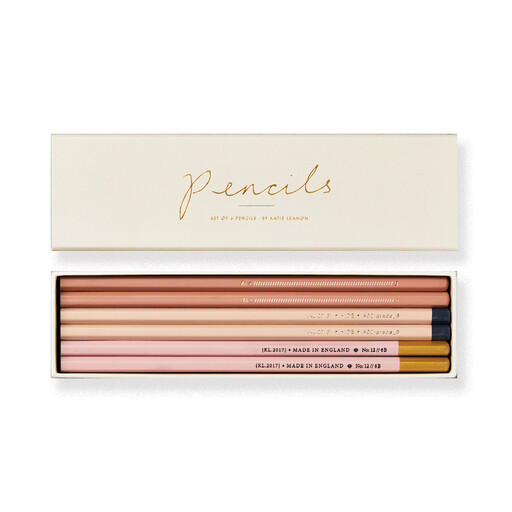
Why This Fits Their Persona: This set is for the creative individual who needs more than a standard writing pencil. It provides a curated selection of soft leads, perfect for expressive drawing, shading and adding depth to artwork.
It directly counters the "one-grade-fits-all" pitfall by offering a specific range of B and 6B pencils. This acknowledges that artists require different tools for different effects, unlike a generic HB pencil pack.
Includes both B and 6B grades for versatile sketching and rich shading. The elegant matchbox-style packaging also makes it a thoughtful gift for a creative friend.
We have compiled a complete, real-time list of products that fully satisfy these strict selection criteria and UK safety regulations.
The letters and numbers refer to the graphite's hardness. HB is the standard, middle-ground choice for general writing. 2B is softer and darker, making it great for drawing and smoother writing with less pressure. 2H is harder and produces a lighter line, which is preferred for technical drawing as it smudges less.
It depends on the age and need. For young children learning to write, a thick, ergonomic wooden or mechanical pencil (like the STABILO EASYergo) is often recommended to build grip strength and control. For older students, a refillable pencil can be more convenient for exams and note-taking as it provides a consistent point and requires no sharpening.
Finding a specifically designed left-handed pencil can make a significant difference. These pencils often have grip zones moulded in the opposite direction to a right-handed pencil, guiding their fingers into a comfortable and efficient position. This prevents the "hooked" wrist posture that many left-handers adopt. The STABILO EASYgraph and EASYergo ranges both offer dedicated left-handed versions.