
24/7 Customer Support

Free returns

Same-day & Next-day Delivery

Quality Guaranteed

Unlock Your Welcome Offers: FREE Delivery | Up to 80% OFF | Free 30-day JoyPlus trial
Download the APP
Adding a splash of colour to your dining area can transform the entire feel of the room, and few colours make a statement quite like yellow. It’s cheerful, inviting and surprisingly versatile. However, finding the right chair involves more than just picking a shade. You need to consider style, comfort and durability to ensure your choice is both beautiful and practical for everyday life.
This guide is designed to help you navigate the options. We'll look at key features to consider when shopping and highlight a standout option that balances iconic design with modern comfort, helping you find the perfect yellow dining chairs for your home.
Before you decide, it’s helpful to understand the features that separate a good dining chair from a great one. Here are a few practical points to keep in mind.
The overall look of a chair is defined by its shape and the materials used. Many popular retro kitchen chairs draw inspiration from the mid-century modern era, known for clean lines and organic forms. A mid-century modern dining chair often combines a moulded plastic or polypropylene shell with contrasting dining chairs with wooden legs. This combination is not just about aesthetics; the polypropylene is durable and easy to clean, while solid wood legs provide a warm, natural base and sturdy support. Look for designs that feature a reinforced frame, such as the iconic Eiffel style dining chair cross-brace, which adds both structural integrity and a distinct design detail.
A dining chair should be a place you're happy to sit for the duration of a meal or a long chat over coffee. Ergonomics play a huge part in this. A chair with a contoured backrest that supports your posture is essential. For an extra layer of comfort, consider a model with an integrated dining chair with cushion pad. These are often upholstered in easy-care materials like PU faux leather, which offers a soft seating surface that can be wiped clean in seconds – a practical feature for any dining space.
A well-chosen dining chair can be one of the most versatile pieces of furniture in your home. A vibrant seat doesn't have to be confined to the kitchen. A single, stylish accent chair yellow in colour can brighten a dull corner in a living room, add a playful touch to a home office or provide extra seating in a bedroom. When you choose a design that is lightweight yet sturdy, you gain a flexible seating solution you can move around the house as needed.
After reviewing models that balance style, function and value, we've selected a chair that exemplifies the popular mid-century modern aesthetic.
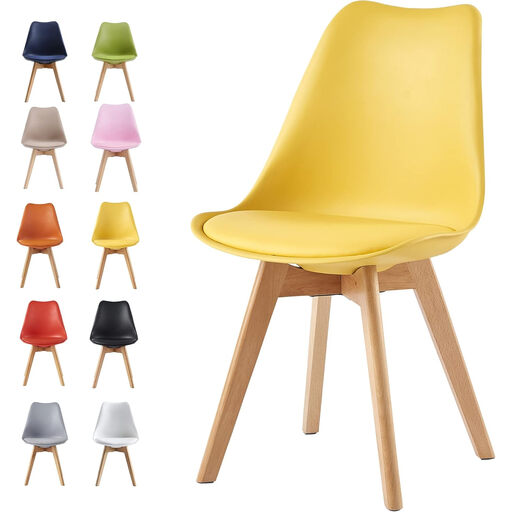
Why It Stands Out: This chair captures the essence of mid-century design with its clean, sculptural form and iconic leg structure. The shell is made from a heavy-duty moulded polypropylene with a matte finish, offering a durable and contemporary look. It’s paired with four solid beech wood legs, which are reinforced with a powder-coated steel cross-brace system for enhanced stability.
The key feature is its focus on comfort. The seat includes an integrated high-density foam cushion pad upholstered in a wipe-clean PU faux leather. This thoughtful addition provides a soft, comfortable experience that many purely plastic chairs lack. Each leg is also fitted with anti-scratch floor protectors, a small but crucial detail for preserving wooden or tiled floors.
Pros:
Who is it for? This chair is ideal for style-conscious individuals looking to furnish a dining room, kitchen or home office with an affordable and comfortable seating solution. Its bright yellow colour and timeless design make it a perfect fit for anyone who appreciates retro-inspired decor and requires furniture that is both functional and visually appealing. Partial self-assembly is required, making it suitable for those comfortable with basic DIY.
Adding a pop of colour and comfort isn't limited to individual chairs. If you have benches or other outdoor furniture, a well-chosen cushion can make all the difference.
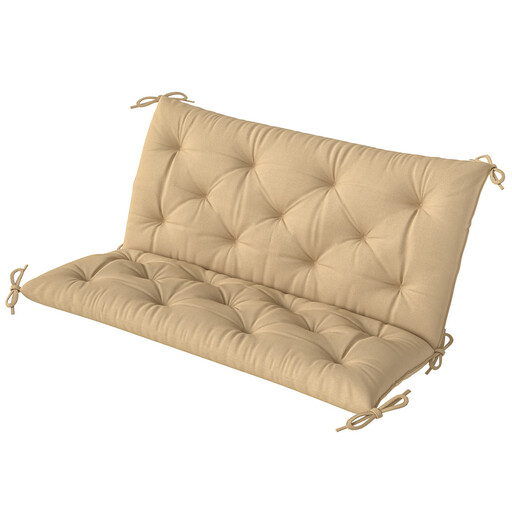
This generously padded cushion is designed to fit a standard two-seater bench. Its polyester fabric cover is breathable and resistant to splashes, making it suitable for both indoor and outdoor use. Tie fastenings allow you to secure it firmly to your furniture, preventing it from slipping. While this model comes in a neutral khaki, it represents a simple way to upgrade the comfort of existing garden or patio seating.
If you're looking to improve the comfort of your garden or patio furniture, a seat pad is an excellent and affordable solution. You can browse a wider selection of sizes and colours in our collection of affordable outdoor seat pads.
Many modern furniture items, including the chairs featured here, arrive requiring partial assembly. This is often a straightforward process, but success depends on using the correct hardware and following the instructions. For any home improvement project, having the right fixings is crucial for safety and longevity. Whether you're assembling a chair or tackling a more permanent installation, always use components designed for the specific task.
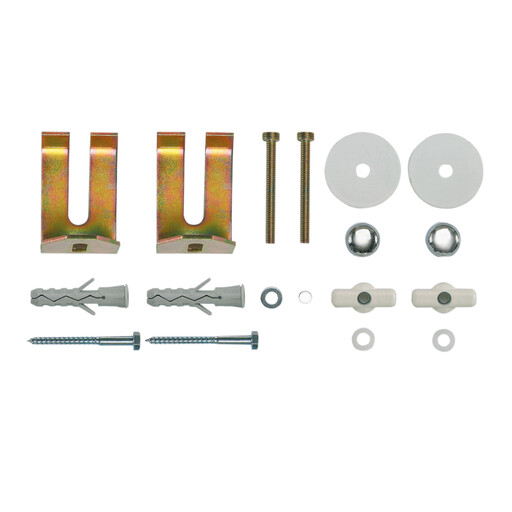
As an example of specialised hardware, this kit from Rawlplug is designed for securely mounting a side-fixed WC or bidet. It highlights the importance of using purpose-built, reliable fixings for different jobs around the home to ensure a stable and secure result.
1. How do you style yellow dining chairs? Yellow chairs work well as a bold accent in neutral-toned rooms with white, grey or wood finishes. You can pair them with a simple wooden or white dining table to let the chairs be the focal point. For a more coordinated look, echo the yellow in smaller decor items like artwork, cushions or a vase.
2. Are moulded plastic dining chairs comfortable? Their comfort largely depends on the design. An ergonomically shaped chair with a curved backrest can be quite comfortable on its own. For extended use, models that include an integrated dining chair with cushion pad offer a significant improvement in comfort without compromising the sleek design.
3. What defines a mid-century modern dining chair? This style, popular from the 1940s to the 1960s, is characterised by simplicity, functionality and organic shapes. Key features often include tapered wooden legs, minimalist forms and the use of new materials for the time, like moulded plastic. The combination of natural wood with man-made materials is a hallmark of the design.