
24/7 Customer Support

Free returns

Same-day & Next-day Delivery

Quality Guaranteed

Unlock Your Welcome Offers: FREE Delivery | Up to 80% OFF | Free 30-day JoyPlus trial
Download the APP
Embarking on or deepening your home fitness journey with yoga or Pilates is an excellent step. However, the market for yoga accessories is flooded with options, and it's easy to make purchases you'll later regret. As a Joybuy Product Recommendation Officer, my role is to help you see past the marketing clutter and choose equipment that is practical, safe and suited to your needs.
Before you add anything to your basket, let's look at the common pitfalls that UK shoppers encounter. Understanding these can save you money and frustration, ensuring your home workout essentials actually support your goals.
To avoid these issues, focus on a few key specifications. These are the non-negotiable features that determine the quality and usability of your pilates equipment and yoga tools.
The material and thickness of your yoga mat are its most important attributes.
Not all bands are created equal. The two main types serve different purposes.
For items like a yoga block or exercise ball, the material and construction are paramount for safety.
To help you choose, we've matched some functional products to common user profiles. These selections are based on their practical features and how they address the buying pitfalls mentioned earlier.
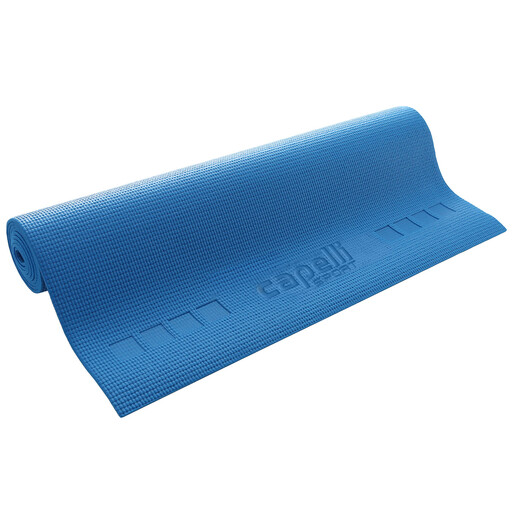
Why This Fits Their Persona: This is an ideal starting point for anyone new to yoga or home fitness. It provides a dedicated surface for practice without a significant financial outlay, allowing you to build a routine before upgrading.
It directly avoids the "slippery mat" trap with an embossed, non-slip surface. The 4mm thickness offers a better balance of cushioning and stability than ultra-thin, flimsy alternatives.
Made from durable PVC that resists tearing and is easy to wipe clean, making it a low-maintenance and practical first mat.

Why This Fits Their Persona: For those who practice several times a week, especially in heated rooms or during vigorous flows, this mat's performance excels. It's a durable upgrade that enhances the practice experience.
The natural cork surface becomes grippier with sweat, directly solving the slippery mat problem for hot yoga fans. Its 5mm thickness provides ample cushioning without sacrificing stability.
The cork material is naturally odour-resistant and provides a smooth yet grippy surface. The TPE bottom ensures the mat stays put on the floor.
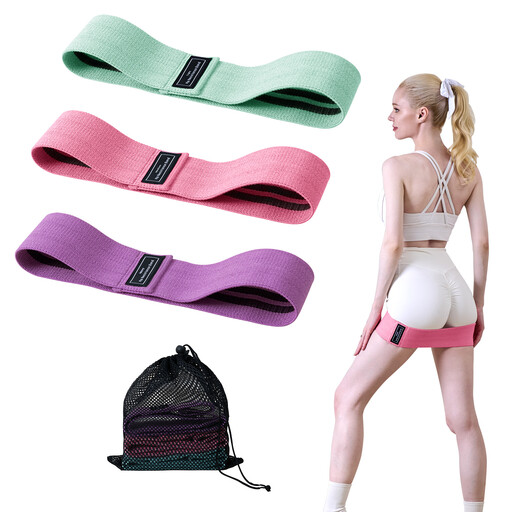
Why This Fits Their Persona: This user needs reliable, consistent resistance for targeted strength training, particularly for glutes and hips. These are also great tools for activation drills before a run or workout.
The wide, cotton fabric construction is specifically designed to prevent the bands from rolling up or digging into your skin, solving the biggest complaint about cheap latex loop bands.
The set includes three distinct resistance levels (Light, Medium, Heavy), allowing for proper progression. The material is durable and comfortable on bare skin.
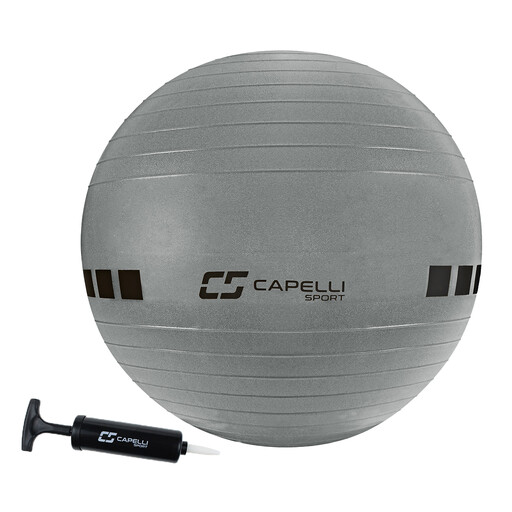
Why This Fits Their Persona: This person wants versatile tools for more than just yoga. An exercise ball is perfect for core work, balance training, physical therapy exercises and even as a temporary office chair to improve posture.
It features an anti-burst construction, which means it will deflate slowly if punctured. This, combined with a non-slip surface, addresses the key safety concerns of using a large inflatable ball for exercise.
A highly versatile piece of equipment for improving core strength, balance and posture. The 65cm size is suitable for a wide range of user heights.
We have compiled a complete, real-time list of products that fully satisfy these strict selection criteria and UK safety regulations.
It depends on your goal. For general-purpose use, including upper-body exercises and stretching, a set of latex loop bands is versatile and affordable. For lower-body strength training (squats, glute bridges, hip thrusts), fabric hip bands are superior as they provide stronger resistance and do not roll up. Many people find it useful to own both.
The most important factor is stability. A block should be firm and not compress under your weight. Cork is an excellent material as it is dense, sturdy and has a natural non-slip texture. High-density PE foam is another good option. Avoid soft, squishy foam blocks, as they do not provide the reliable support needed to safely deepen stretches or modify poses.