
24/7 Customer Support

Free returns

Same-day & Next-day Delivery

Quality Guaranteed

Unlock Your Welcome Offers: FREE Delivery | Up to 80% OFF | Free 30-day JoyPlus trial
Download the APP
Embarking on or deepening a yoga or Pilates practice is a rewarding journey for both mind and body. However, the path can be cluttered with marketing hype and poorly designed products. Many UK shoppers find their initial enthusiasm dampened by yoga equipment that fails to perform, leading to wasted money and even potential injury. As a Joybuy Product Recommendation Officer, my role is to help you navigate the market and select gear that genuinely supports your practice.
Before you add anything to your basket, let's look at the common pitfalls that trip up even savvy buyers.
Understanding a few core parameters will empower you to choose equipment that lasts and performs as it should.
To build a reliable collection of home workout gear, focus on material and design specifications, not just marketing claims. Here are the non-negotiable factors to check.
The material of your mat dictates its grip, durability and feel. A non-slip yoga mat is essential for safety and confidence.
What to look for: A double-sided textured surface. This indicates the design is intentional, with one side to grip the floor and the other to grip your hands and feet.
A yoga block is a tool for support and alignment. Its effectiveness depends entirely on its structural integrity.
Yoga accessories like straps and rings should be purpose-built.
To simplify your choice, we have matched some well-specified products to common user profiles.
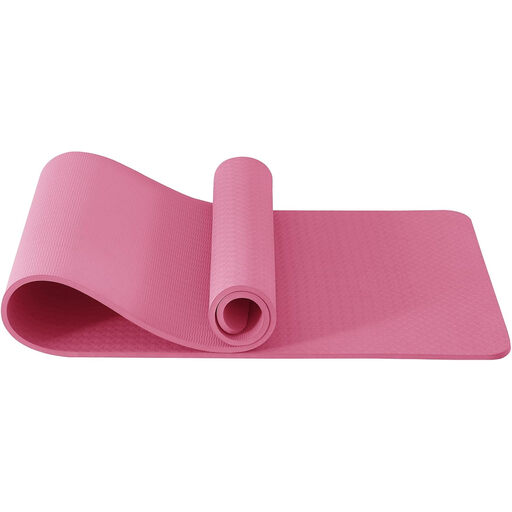
Why This Fits Their Persona: Perfect for those starting yoga, Pilates or general floor exercises at home. The generous thickness provides ample cushioning for knees and spine, building confidence in new movements. The included carry strap makes it easy to store or take to a class.
It directly counters the "slippery mat" deception with a double-sided non-slip texture. The 10mm TPE material also avoids the "thickness myth" by providing intentional cushioning for floor-based work, rather than being a generic, unstable foam pad.
High-density TPE construction offers excellent compression resistance and quick rebound. It is also water-resistant and easy to wipe clean after a workout.
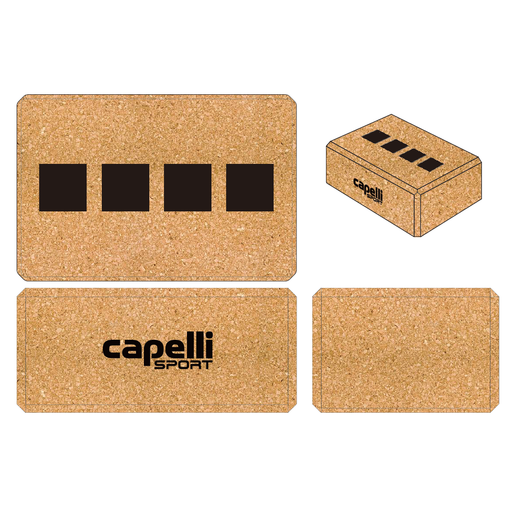
Why This Fits Their Persona: For the yogi who is ready to work on alignment and explore more challenging poses. This block provides the height and support needed to modify poses like Triangle or Half Moon, ensuring the body remains stable and properly aligned.
This is the direct antidote to the "flimsy prop" fallacy. Made of natural, high-density cork, it will not compress under your weight, providing the reliable, firm support that cheap foam blocks lack. The non-slip surface adds another layer of safety.
The eco-friendly cork material is durable, stable and has a satisfying weight. Bevelled edges ensure a comfortable and secure grip from any angle.
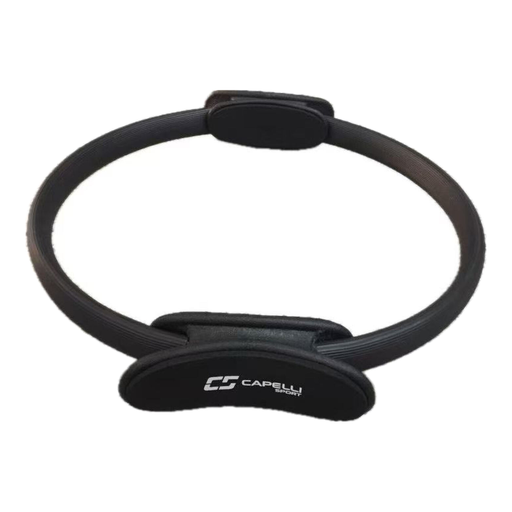
Why This Fits Their Persona: An excellent tool for anyone focusing on core strength and muscle toning at home. This Pilates ring is lightweight and portable, adding a new dimension of resistance to target inner and outer thighs, arms and abdominal muscles without bulky weights.
This is a specialised piece of Pilates equipment, not a generic gimmick. Its durable PP and PE construction provides consistent, reliable resistance, unlike flimsy alternatives that bend easily and offer little to no workout benefit.
The lightweight design makes it easy to handle and store. It effectively enhances workouts by adding resistance and instability, helping to build toned muscles and improve posture.
We have compiled a complete, real-time list of products that fully satisfy these strict selection criteria and UK safety regulations.
Not necessarily. A thick exercise mat is excellent for Pilates, floor exercises and restorative yoga as it cushions the spine and joints. However, for dynamic or standing balance poses in yoga (like Tree Pose), a thinner mat (4-6mm) can provide a more stable, grounded connection to the floor, which many practitioners prefer.
This depends on the material, frequency of use and intensity of your practice. As a general guideline for a quality TPE or rubber mat used 2-3 times per week, you should inspect it for replacement after 1-2 years. Key signs of wear include visible thinning in high-contact areas (where hands and feet go), a noticeable loss of grip or any flaking or peeling of the material.
Absolutely. A quality non-slip yoga mat is a fantastic foundation for any home workout gear collection, suitable for everything from bodyweight circuits to stretching. A cork yoga block can be used to add challenge to push-ups or support for pistol squats and a stretching strap is an invaluable tool for post-run or post-workout cool-downs to improve flexibility.