
24/7 Customer Support

Free returns

Same-day & Next-day Delivery

Quality Guaranteed

Unlock Your Welcome Offers: FREE Delivery | Up to 80% OFF | Free 30-day JoyPlus trial
Download the APP
Buying yoga and fitness equipment can look straightforward until a mat curls at the edges, resistance bands roll during squats or workout trousers become uncomfortable after a few washes. Product pages often highlight a single feature—such as “non-slip”, “anti-burst” or “thermal”—without explaining the limitations behind it.
For UK shoppers, three common buying traps deserve attention:
A practical purchase starts with the activity, available space and storage needs—not with the most impressive-sounding label.
For yoga mats and Pilates equipment, thickness should match the way you exercise.
PVC mats with an embossed or textured surface can provide a more tactile grip. However, the surface may become slippery when wet, so place the mat on a clean, dry, level floor and wipe it after use. Avoid using a yoga mat as a protective base under heavy gym equipment unless the product specifically permits it.
Cork and TPE options may appeal to shoppers looking for a different surface feel. Always check the actual material list and avoid assuming that terms such as “eco-friendly” represent a particular certification.
Exercise bands and resistance bands should offer a suitable progression rather than simply the highest resistance available. A set with light, medium and heavy levels can support warm-ups, Pilates movements, lower-body exercises and gradual increases in challenge.
Fabric loop bands may feel more stable around the thighs than narrow elastic bands, although fit and exercise technique still matter. Before each use:
A storage bag is useful for keeping bands clean and preventing them from becoming tangled with other home gym accessories.
When comparing women’s yoga leggings, workout trousers and fleece-lined leggings, check:
A comfortable pair of workout trousers should allow unrestricted movement without relying on an overly tight waistband or excessive compression.
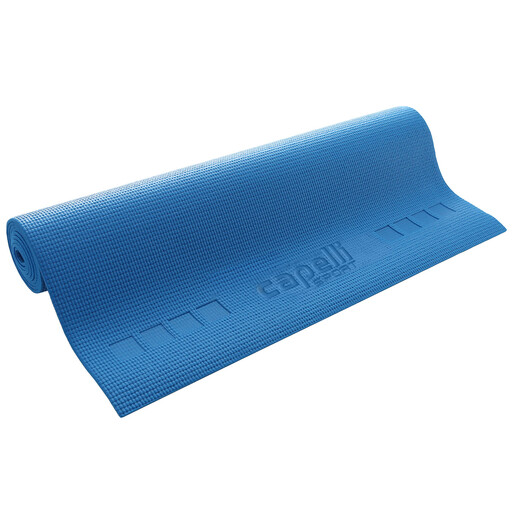
Why This Fits Their Persona: A straightforward option for beginners building an affordable home workout space for yoga, Pilates and floor exercises.
The 4 mm thickness is clearly specified, helping buyers compare cushioning and portability rather than relying on vague comfort claims.
PVC construction, embossed surface and 24 x 68-inch dimensions; the mat can be wiped clean after use.

Why This Fits Their Persona: Suits regular yoga or Pilates users who prefer a cork top surface and want one mat for stretching, flows and general workouts.
Its construction is stated as cork over TPE, so buyers can assess the materials instead of assuming that an environmental description means a specific certification.
5 mm thickness, 61 x 183 cm size and cork/TPE construction; suitable for yoga, Pilates and stretching.
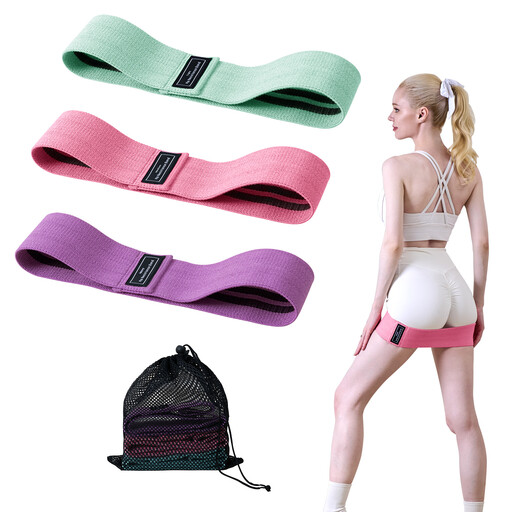
Why This Fits Their Persona: A practical choice for users focusing on lower-body strength, Pilates, squats and compact home fitness sessions.
Three labelled resistance levels make progression easier to plan, while the fabric-loop format addresses the rolling problem found with some narrow bands.
Set includes light, medium and heavy loops, plus a storage bag; cotton fabric and non-slip construction are specified.
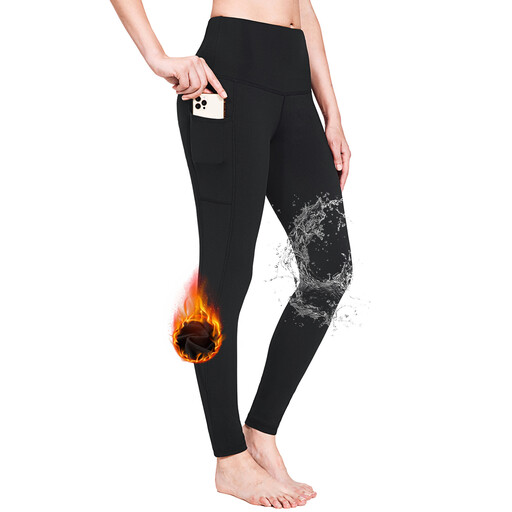
Why This Fits Their Persona: Designed for UK winter walks, outdoor exercise and cold gym commutes where warmth and storage are useful.
The product description distinguishes a brushed fleece interior and water-resistant fabric from general “thermal” wording. Water resistance should not be treated as full waterproofing.
Brushed fleece lining, stretchy fabric, seamless inner leg and multiple pockets; available in different listing sizes.
A clear, level floor is more important than buying numerous home gym accessories. Keep mats away from open flames, heaters and prolonged direct sunlight. For exercise balls and a stability ball, select the diameter according to your height and intended use, inflate gradually with the supplied pump and never exceed the recommended size or weight capacity.
Before using any home workout equipment, inspect seams, surfaces, valves and elastic components. Follow the product instructions, keep damaged items out of use and seek appropriate professional advice before starting exercise if you have relevant health concerns.
We have compiled a complete, real-time list of products that fully satisfy these strict selection criteria and UK safety regulations.
A sensible starter kit can include one appropriately sized yoga mat, a set of exercise bands and comfortable workout clothing. Add a Pilates ring or exercise ball only when it supports the exercises you actually plan to perform. This avoids paying for equipment that remains unused.
Lifespan depends on frequency of use, storage, cleaning and exposure to heat or sunlight. Regularly wipe the surface with mild soap and water, allow it to dry fully before rolling and replace the mat if it becomes damaged, excessively worn or persistently slippery.
Yes, choose compact items such as fabric resistance bands, a Pilates ring and a rollable mat. Check the mat dimensions and ceiling or floor clearance before using an exercise ball. Store equipment in a dry location where it will not create a trip hazard.