
24/7 Customer Support

Free returns

Same-day & Next-day Delivery

Quality Guaranteed

Unlock Your Welcome Offers: FREE Delivery | Up to 80% OFF | Free 30-day JoyPlus trial
Download the APP
Finding the right yoga mat can feel surprisingly complicated. The market is flooded with options, all promising perfect grip and ultimate comfort. Yet, many of us have ended up with a mat that’s either dangerously slippery or falls apart after a few months of use. As the Joybuy Product Recommendation Officer, my role is to help you navigate these choices and find a mat that genuinely supports your practice without the misleading marketing hype.
Before you make a decision, it’s crucial to be aware of a few common purchasing pitfalls that can lead to disappointment and wasted money.
non-slip yoga mat should maintain its grip even with a bit of moisture.thick fitness mat available, assuming more cushion is always better. However, for yoga, an overly soft and spongy mat can be unstable, making balancing poses difficult and increasing the risk of a wobbly ankle. There is a fine line between a cushioned gym mat and a mat suitable for standing poses.eco-friendly yoga mat is an admirable goal, the term is often used without clear substance. A mat made from a supposedly "green" material that degrades and needs replacing within a year is not a sustainable choice. True value lies in durability and responsible material sourcing.To avoid these traps, focus on a few key specifications. Getting these right will ensure your new yoga mat for home or studio use is a lasting investment.
The material dictates a mat's grip, durability, weight and cushioning. The four most common types you'll encounter are:
exercise mat used for sit-ups, planks or restorative floor work. However, its sponginess can compromise stability in standing yoga postures.cork yoga mat is a fantastic natural option. It's antimicrobial, durable and has the unique property of increasing its grip as it gets damp. This makes it an ideal choice for hot yoga or anyone who sweats during their practice.The thickness of your mat affects comfort and stability. It's not just about the number; the density of the material is equally important.
Pilates mat.thick fitness mat. They provide maximum cushioning for floor-based exercises but may feel less stable for dynamic yoga flows.Based on these practical criteria, we've matched a few standout products to different user needs. Instead of a one-size-fits-all approach, this helps you find a mat that aligns with your specific practice.
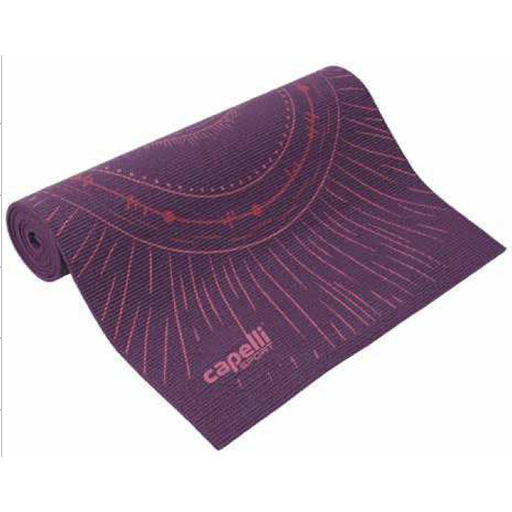
Why This Fits Their Persona: Ideal for those starting a fitness journey at home. The 6mm thickness provides a comfortable cushion for various floor exercises, from yoga to Pilates, without feeling overly bulky. The durable PVC is easy to wipe clean after a session.
It strikes a smart balance in the thickness vs. stability trade-off. At 6 mm, it offers more comfort than a thin mat but remains firm enough for beginners to practise balancing poses without excessive wobble.
Versatile all-rounder thickness suitable for multiple exercise types. The embossed PVC surface is durable and simple to maintain.

Why This Fits Their Persona: For the practitioner who engages in hot yoga or dynamic flows. This mat's natural cork surface provides exceptional grip that improves with moisture, ensuring stability when it matters most. It's also a great choice for those prioritising sustainable materials.
It directly solves the "slippery when wet" pitfall. Unlike standard mats, the natural cork surface becomes grippier with sweat. It also avoids the "eco-illusion" by using a durable, renewable material.
Superior non-slip performance in heated or sweaty conditions. The cork is naturally antimicrobial and paired with a stable TPE base.
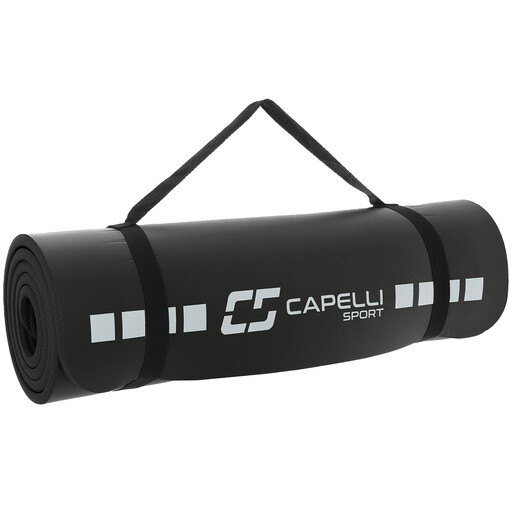
Why This Fits Their Persona: Perfect for individuals who prioritise joint protection during floor-based workouts like Pilates, stretching and core exercises. The extra-thick NBR foam provides substantial cushioning for the spine, hips and knees on hard surfaces.
This mat fully embraces its role as a cushioned mat, avoiding the trap of trying to be a yoga mat. Its 1.2 cm NBR foam is intentionally designed for comfort in floor exercises, where stability for standing poses is not the primary concern.
Exceptional 1.2 cm thickness for maximum joint support and shock absorption. Includes a convenient carrying strap for easy transport and storage.
We have compiled a complete, real-time list of products that fully satisfy these strict selection criteria and UK safety regulations.
Many new mats have a thin film left over from the manufacturing process. To remove this, gently wipe the mat down with a cloth dampened with a solution of water and a small amount of mild soap. Rinse with a clean, damp cloth and allow it to air dry completely before rolling it up. Avoid harsh chemicals, as they can damage the mat's surface.
The lifespan of a mat depends heavily on the material, frequency of use and type of practice. A basic PVC mat used a few times a week might last 1-2 years. A more durable, high-quality mat made from dense TPE or cork can last for several years. You should consider replacing your mat when you notice it is thinning, flaking or has lost its grip.
Yes, but with some considerations. A standard yoga mat is perfectly suitable for low-impact activities like Pilates and stretching. For high-intensity interval training (HIIT) or workouts where you wear trainers, it is better to use a more durable exercise mat designed to withstand higher impact and potential abrasion from footwear. Using a standard yoga mat for such activities can cause it to tear or wear out prematurely.