
24/7 全天候客户支持

免费退货

当日/次日达

品质保障

开启新人专享福利: 全场免邮 | 低至 2 折 | 免费试用 30 天 JoyPlus 会员
下载 Joybuy
Whether you're holding a pose in a yoga class, flowing through a Pilates routine or completing a home workout, the surface beneath you matters. A slippery or uncomfortable mat can be distracting and hinder your performance. With so many options available, choosing the right yoga mat can feel overwhelming. This guide is designed to help you understand the key features to look for, so you can find a fitness mat that supports your practice.
Before you make a decision, consider these practical points. The ideal mat should match your activity, comfort needs and lifestyle.
The material of your mat influences its grip, durability and environmental impact.
TPE yoga mat options are often lightweight and provide good cushioning. This man-made material is recyclable and generally free from the latex and PVC found in older mats, making it a more skin-friendly option. TPE offers a good balance of traction and softness.eco friendly yoga mat choice, cork is a natural, renewable and biodegradable material. A cork yoga mat typically has a TPE or rubber base for cushioning and stability. Cork's unique cellular structure provides excellent grip, which can even increase with moisture, making it a strong contender for hot yoga or intense workouts.The thickness of your mat determines its level of comfort and stability.
thick yoga mat provides substantial cushioning for your joints. This is particularly beneficial for Pilates, restorative yoga or any floor-based exercises where you spend time on your knees, elbows or spine. The extra padding is ideal for use on hard floors.A mat's primary function is to provide a stable, non-slip surface.
non slip yoga mat is essential for safety and proper alignment.yoga mat with carry strap. A lightweight mat with a strap is far more convenient for travel.Here are a few options we've selected that cater to different needs, from extra cushioning to eco-friendly materials.
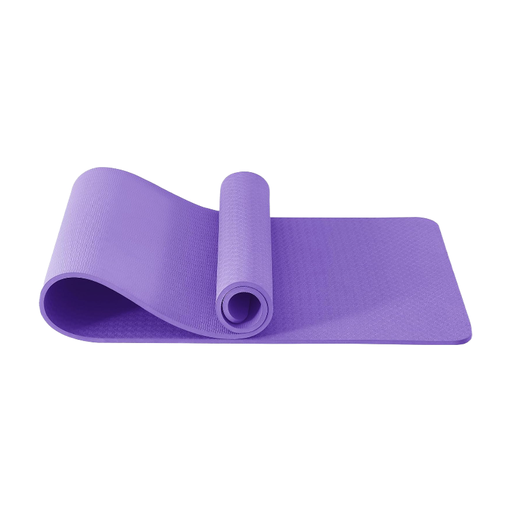
Why It Stands Out: This mat prioritises comfort with its substantial 10mm thickness. The high-density TPE material is designed to cushion the spine, hips and knees, making it a great choice for floor-based workouts.
Pros:
Who is it for? Individuals who practice Pilates, gymnastics or restorative yoga or anyone seeking maximum cushioning for their home fitness mat. It's particularly suitable for those with sensitive joints who work out on hard surfaces.
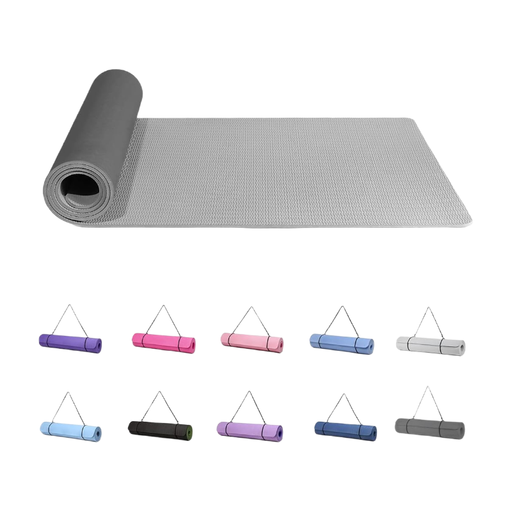
Why It Stands Out: This mat offers a versatile balance between comfort and stability. At 6mm thick, it provides enough support for most exercises while being lightweight enough for easy transport to and from the studio.
Pros:
Who is it for? Fitness enthusiasts looking for a versatile and portable exercise mat for use at home, in the gym or at a yoga studio. It's a solid choice for those who need a reliable mat for a range of activities.

Why It Stands Out: This mat combines a natural cork surface with a TPE base, offering an eco-friendly option with impressive performance. The cork surface is naturally sweat- and odour-resistant and provides increased grip when damp.
Pros:
Who is it for? Yogis who practice in heated rooms or tend to sweat during workouts. It is also an excellent choice for anyone prioritising sustainable materials in their fitness equipment.
While these selections cover a range of common needs, your perfect mat might be different. If you're looking for more variety in materials and textures, you can explore a wider collection of mats.
Discover more choices in our TPE anti-slip mat category to find the one that best fits your practice.
The ideal thickness depends on your practice. A thick yoga mat (8mm+) is great for restorative yoga, Pilates or if you need extra joint cushioning. A standard 4-6mm mat is a versatile choice that balances comfort with stability for active yoga styles. Thinner mats (1-3mm) are often used for travel as they are very lightweight and portable.
First, ensure you have a dedicated non slip yoga mat with a textured surface. For TPE mats, keeping them clean from oils and dust helps maintain grip. For a cork yoga mat, a light spritz of water on the surface before practice can actually enhance its grip, especially for hot yoga.
Neither is definitively "better"—it depends on your priorities. TPE mats are lightweight, offer great cushioning and are widely available. Cork mats are valued for their eco-friendly properties, natural antimicrobial qualities and excellent grip during sweaty practices. If you prioritise sustainability and practice hot yoga, cork is a strong contender. If you want a versatile, cushioned and often more affordable option, TPE is a reliable choice.