
24/7 Customer Support

Free returns

Same-day & Next-day Delivery

Quality Guaranteed

Unlock Your Welcome Offers: FREE Delivery | Up to 80% OFF | Free 30-day JoyPlus trial
Download the APP
Whether you're flowing through a sun salutation in your living room or holding a plank at a local studio, the surface beneath you matters. Choosing the right yoga mat can feel overwhelming with so many materials, thicknesses and features to consider. A good mat provides stability, comfort and a clean, personal space for your practice.
As a Joybuy Product Recommendation Officer, my role is to help you navigate these choices. This guide offers practical advice to help you find a suitable exercise mat for your needs, whether you're a beginner just starting your journey or an enthusiast looking for an upgrade for yoga, Pilates or general home workouts.
Before you add a mat to your basket, let's break down the key features that will influence your practice.
The material of your mat affects its grip, weight, cushioning and durability. The two most common options you'll encounter are PVC and TPE.
TPE yoga mat is generally lighter than its PVC counterpart, making it easier to carry. Many users find TPE offers excellent cushioning and a reliable non-slip surface from the very first use.The thickness of your mat is a trade-off between comfort and connection to the floor.
thick yoga mat provides substantial cushioning, making it an excellent choice for a Pilates mat or for restorative yoga where you spend a lot of time on the floor. The extra padding is particularly kind to sensitive joints.A mat that slips during your downward dog is not only frustrating but also unsafe. A non-slip yoga mat is essential. Most modern mats are designed with textured surfaces to provide grip on both the floor and for your hands and feet.
If you plan to take your mat to classes, look for a lightweight option and consider a yoga mat with carry strap. This simple accessory makes transport much more convenient.
Based on common user needs and popular features, here are some recommendations to help you find a mat that supports your fitness goals.
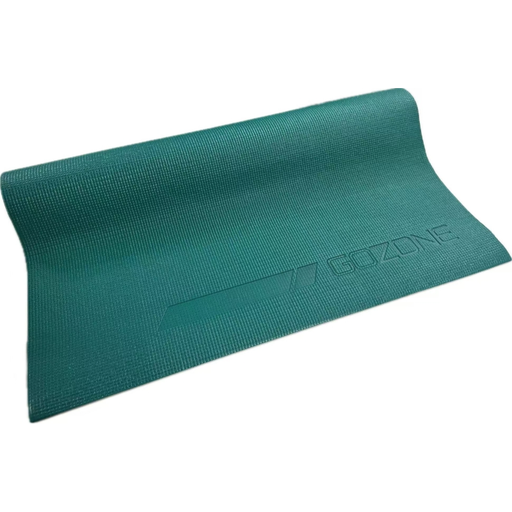
home workout mat for light floor exercises.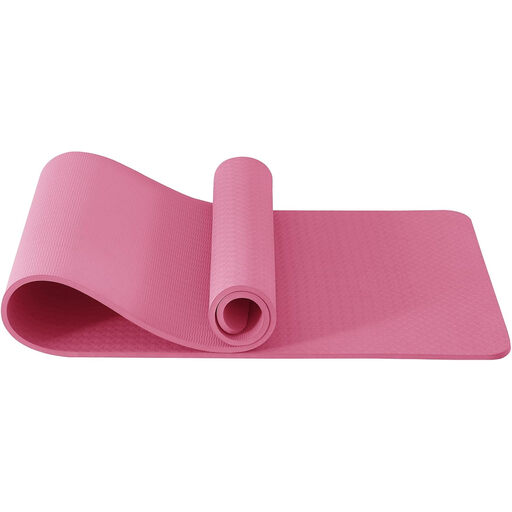
yoga mat with carry strap for easy transport.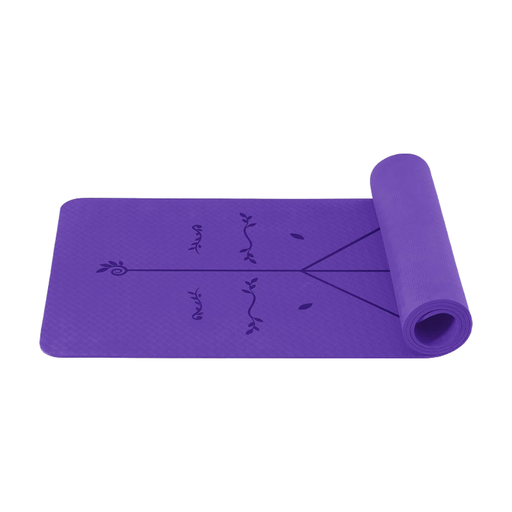
yoga mat for beginners who want a balance of comfort and stability, with the added benefit of helpful alignment cues.These recommendations cover some of the most popular needs, but the right fitness mat is a personal choice. If you're looking for different materials, thicknesses or colours, there are many other options available.
Explore our full collection of Pilates and exercise mats to find the perfect fit for your fitness journey.
1. What's the difference between a yoga mat and a general fitness mat? While the terms are often used interchangeably, a yoga mat typically prioritises grip and a connection to the floor for holding poses. A general fitness mat might be thicker and focus more on cushioning and durability for high-impact workouts or use with footwear. However, many modern mats, especially those made from TPE, are versatile enough for both.
2. How do I clean my TPE yoga mat? Most TPE yoga mat options can be cleaned by wiping them down with a damp cloth and a small amount of mild soap. It is important to rinse with a clean, damp cloth and allow the mat to air dry completely before rolling it up. This helps maintain its grip and prevent moisture build-up. Always avoid harsh chemical cleaners and machine washing.
3. Is a thick yoga mat better for beginners? A thick yoga mat (6mm or more) can be very helpful for a yoga mat for beginners as it provides extra cushioning for knees, wrists and the spine. This can make learning new poses more comfortable and build confidence. The only potential downside is that very thick mats (10mm+) can feel slightly less stable in balancing poses, which is why a 6mm mat is often suggested as a great all-round starting point.