Finding the right yoga mat can feel like a challenge. With countless materials, thicknesses and textures available, it’s easy to feel overwhelmed. A good mat provides the foundation for your practice, offering stability for balance poses, cushioning for your joints and a clean, personal space. Whether you're just starting your yoga journey, deepening your Pilates practice or need a reliable surface for home workouts, the right mat makes all the difference.
As a Joybuy Product Recommendation Officer, my role is to help you navigate these choices. This guide cuts through the clutter, offering practical advice to help you select a yoga mat that truly supports your fitness goals. We will explore key features to consider and highlight a few standout options for different needs.
Your Guide to Selecting a Yoga Mat
Before you decide, it’s helpful to understand the core elements that define a mat’s performance. Focusing on these three aspects will help you make a more informed choice.
1. Material Matters
The material of your mat influences its grip, durability and environmental impact.
- TPE (Thermoplastic Elastomer): A popular choice, TPE is a synthetic blend that is often more environmentally friendly than traditional PVC. It offers good cushioning and is lightweight, making it a versatile option for various exercises.
- Natural Rubber: For those seeking superior grip, a rubber yoga mat is an excellent option. It provides a strong connection to the floor, though it can be heavier. It's a durable and sustainable choice, but be mindful if you have a latex allergy.
- Cork: An increasingly popular eco-friendly yoga mat, cork is naturally antimicrobial and offers a unique feature: its grip often improves with moisture. This makes a cork yoga mat a fantastic companion for more intense sessions or hot yoga.
2. Thickness and Cushioning
The thickness of your mat determines its comfort and portability.
- Thick Mats (8mm+): A thick yoga mat, typically 8mm or more, provides substantial cushioning for your knees, spine and wrists. This is ideal for restorative yoga, Pilates or anyone with sensitive joints. They also serve well as a general exercise mat for floor-based workouts.
- Standard Mats (4-6mm): This is the most common thickness, offering a balance between comfortable cushioning and a stable, grounded feel for standing and balancing poses.
- Travel Mats (1-3mm): Thin and lightweight, a travel yoga mat is designed to be folded or rolled tightly, fitting easily into a suitcase or backpack. They offer less cushioning but maximum portability.
3. Grip and Texture
A secure footing is crucial for safety and confidence in your practice. A non-slip yoga mat is essential. The surface texture—from smooth to noticeably patterned—is designed to prevent your hands and feet from sliding, especially during dynamic movements or in sweaty conditions. Materials like cork and natural rubber are known for their excellent non-slip properties.
Top Product Recommendations
Based on these key features, here are a few recommendations that cater to a range of practices and preferences.
For All-Round Comfort and Support
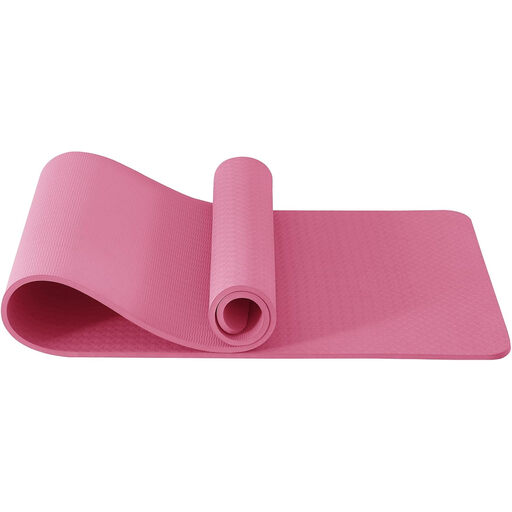
MISS LULU Good Nite Yoga Mat (10mm)
- Why It Stands Out: This mat prioritises cushioning without compromising on stability. Its substantial thickness makes it an excellent choice for anyone seeking extra joint protection during their practice.
- Pros:
- 10mm thick high-density TPE material provides significant cushioning for the spine, hips and knees.
- Features a double-sided non-slip texture for a firm grip on the floor.
- Comes with a yoga mat with strap for easy carrying and storage.
- Water-resistant surface is easy to clean.
- Who is it for? Beginners, individuals with sensitive joints and those who use their mat for a variety of activities, including Pilates, stretching and general fitness.
For Hot Yoga and Eco-Conscious Practitioners
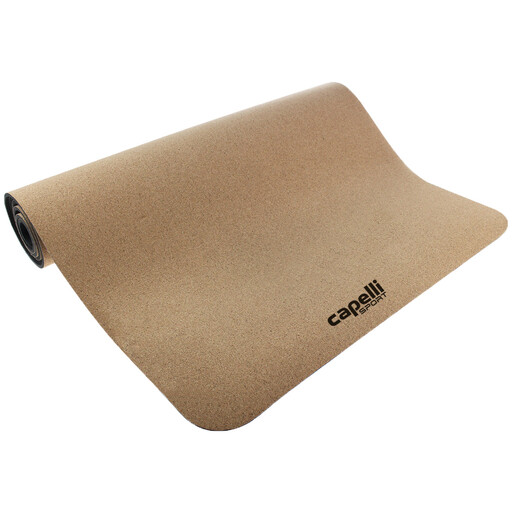
5MM Cork and TPE Yoga Mat
- Why It Stands Out: This mat combines a natural cork surface with a TPE base, offering a sustainable and high-performance option. Its ability to increase grip when damp makes it particularly suited for more demanding practices.
- Pros:
- Natural cork surface is moisture-proof and odour-resistant.
- Grip becomes more effective with light moisture, making it ideal for hot yoga.
- The 5mm thickness provides a good balance of cushioning and stability.
- Made with eco-friendly materials.
- Who is it for? Yogis who practice in heated rooms or tend to sweat, environmentally-conscious consumers and anyone looking for a durable, naturally antimicrobial surface.
For the Yogi on the Go

2MM Microfibre Suede and Rubber Travel Yoga Mat
- Why It Stands Out: Designed for portability, this ultra-thin mat can be folded compactly to fit in a bag. It serves as a standalone mat or a hygienic topper for studio mats, making it a versatile travel companion.
- Pros:
- Ultra-thin 2mm profile and foldable design make it an excellent travel yoga mat.
- A natural rubber base ensures it stays put on the floor.
- The soft, absorbent suede microfibre top layer enhances grip as you sweat.
- Lightweight and comes with a storage bag.
- Who is it for? Frequent travellers, commuters who practice after work or yogis who prefer a minimalist mat with a close-to-the-ground feel for better balance.
Looking for More Options?
While these recommendations cover a variety of needs, the perfect mat is a personal choice. If you're looking for different materials, thicknesses or designs, there are many other possibilities to consider.
Explore our full collection of Yoga Exercise Mats to find the ideal fit for your practice.
Frequently Asked Questions
What is the difference between a yoga mat and an exercise mat?
While the terms are often used interchangeably, there can be a difference. Yoga mats typically prioritise grip and a stable surface for holding poses. General exercise mats, especially thicker ones, often focus more on cushioning for high-impact movements or floor exercises like crunches. However, many modern mats, like a thick TPE pilates mat, are designed to be versatile for both disciplines.
How do I clean my yoga mat?
For most mats (TPE, rubber and cork), a simple wipe-down with a damp cloth after each use is sufficient. For a deeper clean, use a cloth with a small amount of mild soap and water, then wipe with a clean, damp cloth to remove any residue. Always let your mat air dry completely before rolling it up. Avoid harsh chemical cleaners and machine washing, as they can damage the material.
How thick should my yoga mat be?
This depends on your priorities. A thin mat (1-3mm) is great for travel and stability in balancing poses. A standard mat (4-6mm) offers a good all-round balance of comfort and connection to the floor. A thick mat (8mm+) provides extra cushioning, which is beneficial for sensitive joints, restorative yoga or Pilates.


