
24/7 Customer Support

Free returns

Same-day & Next-day Delivery

Quality Guaranteed

Unlock Your Welcome Offers: FREE Delivery | Up to 80% OFF | Free 30-day JoyPlus trial
Download the APP
A yoga mat might seem like a simple purchase, but choosing the wrong one can lead to slipping, discomfort and a mat that wears out in months. Many are drawn in by trendy colours or vague promises of "pro-level grip," only to find their investment doesn't suit their practice. As a Joybuy Product Recommendation Officer, my role is to help you navigate these choices with practical, objective advice.
This guide cuts through the marketing clutter to focus on what truly matters. We will look at the common pitfalls that lead to buyer's remorse and break down the essential features to check before you buy, ensuring you find a mat that supports your wellness journey.
Before looking at products, it is crucial to be aware of the frequent issues that can make a mat unsuitable for your needs.
To avoid these pitfalls, focus on three core parameters: material, thickness and texture.
The material of your yoga mat dictates its grip, durability, cushioning and environmental impact.
Mat thickness is measured in millimetres (mm) and directly affects your connection to the floor.
The surface texture contributes significantly to grip. An embossed or raised pattern can provide physical barriers to slipping, complementing the material's natural traction. Also, consider portability. If you plan to take your mat to a studio, look for a lightweight option or one that includes a yoga mat with strap for easy transport.
Based on these practical considerations, here are some recommendations matched to different user needs.
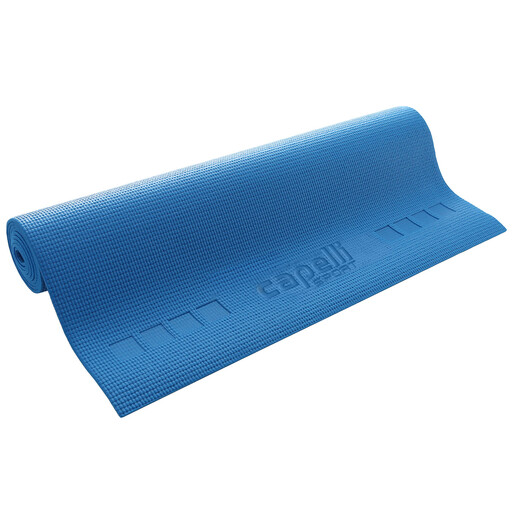
Why This Fits Their Persona: For those just starting their yoga or home fitness journey, this mat provides the essential features without a large financial commitment. It's a practical, no-frills option for exploring different types of floor exercise.
This mat avoids the "slippery when new" trap with its embossed surface, which offers mechanical grip from day one. It is an honest, entry-level PVC mat that doesn't over-promise on features a beginner may not need.
Durable PVC material resists tearing and is easy to wipe clean. The 4mm thickness provides a good balance of cushioning and ground-feel for stability.
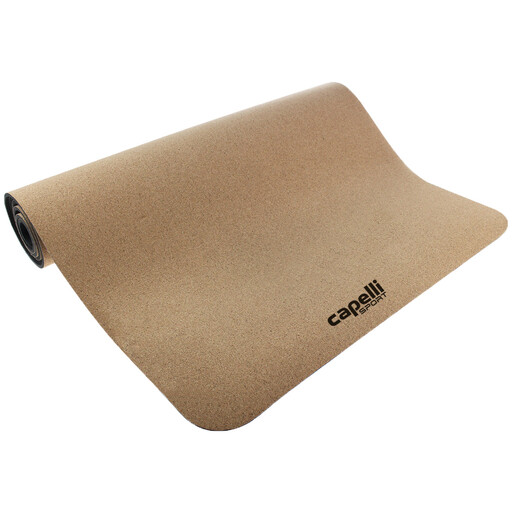
Why This Fits Their Persona: Ideal for those who frequent hot yoga classes or have a vigorous practice. The use of natural cork also appeals to users prioritising sustainable and skin-friendly materials.
This mat directly solves the "slippery when wet" problem, as cork's grip improves with moisture. It also avoids the "eco-friendly mirage" by using genuinely sustainable cork and a TPE base, clearly stating its materials.
The natural cork surface is sweat-proof and odour-resistant. The 5mm thickness provides a comfortable yet stable base for various poses.
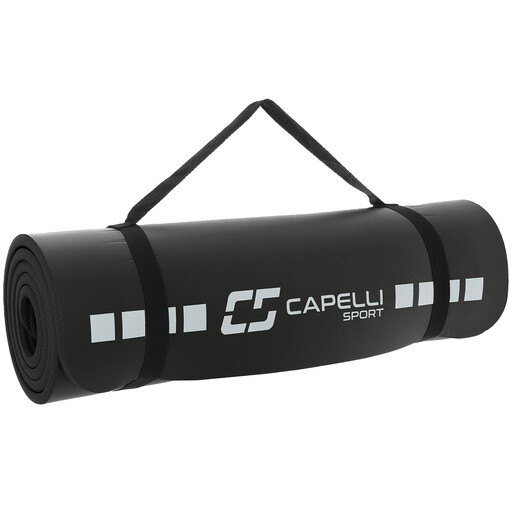
Why This Fits Their Persona: Perfect for individuals whose routine involves more general fitness, core work and Pilates, or for those with sensitive knees and backs who need maximum joint protection during floor exercises.
This mat sidesteps the "thickness vs. stability" trap by being positioned as an exercise and gym mat, not a dedicated yoga mat. Its purpose is cushioning, which it delivers without compromising its intended use for fitness and Pilates.
The 1.2cm extra-thick NBR foam provides superior shock absorption and comfort. It includes an elastic yoga mat with strap for convenient storage and transport.
We have compiled a complete, real-time list of products that fully satisfy these strict selection criteria and UK safety regulations.
How do I stop my new yoga mat from being slippery? Many new mats have a thin film left over from the manufacturing process. To remove this, gently wipe the mat with a damp cloth and a small amount of mild soap. Rinse with a clean, damp cloth and allow it to air dry completely, away from direct sunlight. This "breaking in" process can significantly improve grip.
How long should a good yoga mat last? The lifespan of a mat depends on its material, how often you use it and the intensity of your practice. An entry-level PVC mat might last one to two years with regular use. Higher-quality TPE, rubber or cork mats can last for several years if cared for properly. You should consider replacing your mat when you notice it becoming thin, flaking or losing its grip.
Can I use a thick yoga mat for Pilates? Yes, a thick yoga mat (6mm or more) is often an excellent choice for Pilates. A dedicated pilates mat is typically thicker than a standard yoga mat to provide extra cushioning for the spine during rolling and floor-based exercises. A mat around 10-12mm thick offers substantial comfort for this type of workout.