Finding the right yoga mat can feel like a challenge. Whether you're flowing through a vinyasa sequence or holding a plank, the last thing you want is to be distracted by a slippery surface or uncomfortable pressure on your knees. A good mat provides a stable, safe and comfortable foundation for your practice, but with so many materials, thicknesses and textures available, it's easy to feel overwhelmed.
This guide is designed to help you navigate the options. We'll break down the key features to consider and share some of our top recommendations to help you find a mat that supports your fitness goals, whether you're a seasoned yogi, a Pilates enthusiast or just starting your home workout journey.
Finding Your Perfect Match: A Quick Guide to Yoga Mats
Before diving into specific products, let's look at the three most important factors to consider when choosing your next exercise mat.
1. Material Matters: TPE vs. Cork
The material of your mat affects its grip, durability and weight. Two popular choices are TPE and cork.
- TPE (Thermoplastic Elastomers): A TPE yoga mat is a common choice for many practitioners. This man-made material is often more lightweight than traditional PVC mats and offers excellent cushioning and flexibility. TPE is also recyclable, making it a more eco-friendly yoga mat option for those mindful of their environmental impact.
- Cork: A cork yoga mat typically features a natural cork top layer and a TPE or rubber base. Cork is naturally antimicrobial, which helps keep odours at bay. Its standout feature is its grip, which actually improves with moisture. This makes it an excellent choice for hot yoga or for anyone who tends to sweat during their practice.
2. The Right Thickness for Your Practice
Mat thickness is measured in millimetres (mm) and directly impacts comfort and stability.
- Thick (8mm-10mm): A thick yoga mat provides substantial cushioning, which is ideal for protecting sensitive joints like knees and wrists during floor-based exercises. This makes it a great option for restorative yoga, beginners or as a pilates mat.
- Standard (4mm-6mm): This is the most common thickness range. It offers a balance of comfort and connection to the floor, which is important for maintaining stability in standing and balancing poses.
- Thin (1mm-3mm): Travel mats are very thin and lightweight, designed for portability. They provide less cushioning but offer maximum stability and a direct feel for the ground.
3. Grip and Texture for Safety
A secure footing is non-negotiable. A non-slip yoga mat is essential for preventing injuries and holding poses with confidence. Most mats feature a textured surface to enhance grip. Double-sided textures can be particularly useful, providing grip against both your hands and the floor.
Our Top Yoga Mat Recommendations
As the Joybuy Product Recommendation Officer, I've filtered through various options to highlight mats that offer practical features for UK users. Here are a few recommendations for 2026.
Miss Lulu Good Nite Yoga Mat (10mm)
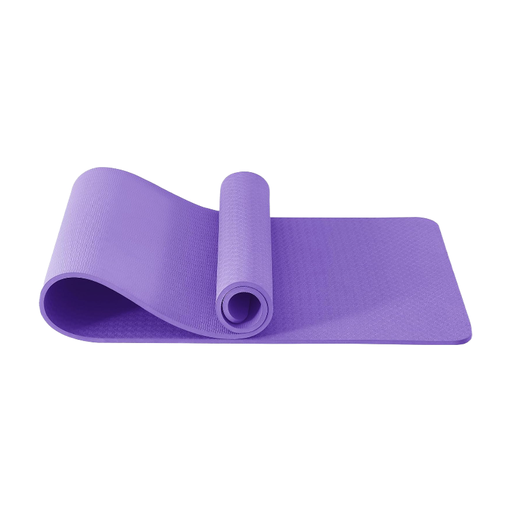
- Why It Stands Out: This mat’s primary feature is its generous 10mm thickness. It’s designed to provide significant cushioning for joints, making it a comfortable choice for a wide range of floor exercises.
- Pros:
- Made from high-density TPE for durability and quick rebound.
- Double-sided non-slip texture for enhanced stability.
- Water and sweat-resistant surface is easy to clean.
- Includes a yoga mat with carry strap for easy transport.
- Who is it for? Individuals seeking maximum cushioning for their spine, hips and knees. It's well-suited for beginners, Pilates, gymnastics or anyone with sensitive joints who needs a comfortable exercise mat.
ochama Yoga Mat (Wide)
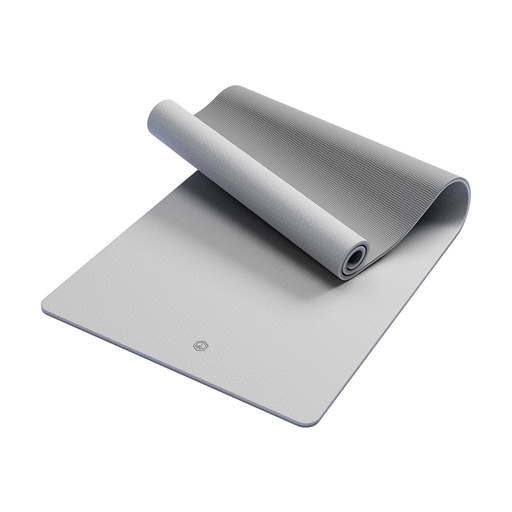
- Why It Stands Out: At 66cm wide, this mat offers more space than the standard 61cm width. This extra room allows for greater freedom of movement without worrying about straying off the mat.
- Pros:
- Extra-wide design provides ample space.
- Crafted from durable, wear-resistant TPE material.
- Thickened for good shock absorption and joint protection.
- Features a non-slip surface for stability on various floors.
- Who is it for? Taller individuals or anyone who appreciates having more surface area during their practice. It’s a versatile option for yoga, Pilates and other high-impact workouts where extra space is a benefit.
Good Nite Yoga Mat (6mm)
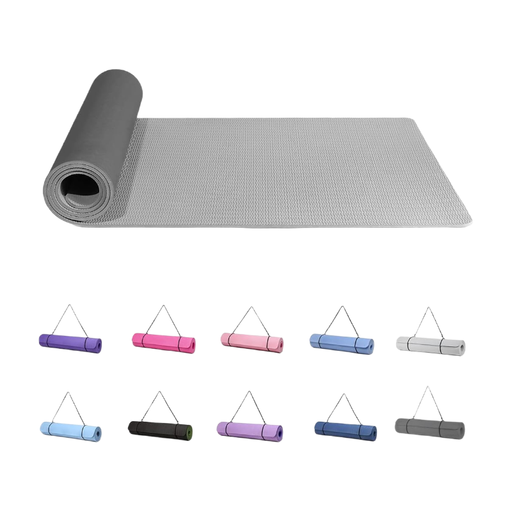
- Why It Stands Out: This mat strikes a great balance with its 6mm thickness, providing enough cushioning for comfort while remaining firm enough for stable balancing poses. It's also very lightweight.
- Pros:
- Versatile 6mm thickness suitable for various practices.
- Lightweight design at only 740 grams.
- Dual-textured surface with anti-slip patterns for reliable grip.
- Comes with a shoulder strap for portability.
- Who is it for? Practitioners looking for a versatile, all-around mat that is easy to carry to the gym or studio. Its balance of cushioning and stability makes it suitable for both dynamic yoga flows and general fitness routines.
5MM Cork Yoga Mat

- Why It Stands Out: The natural cork surface is the main attraction here. It offers a unique, earthy feel and its grip improves as you sweat, making it a strong contender for more intense practices.
- Pros:
- Natural cork top layer is sweat- and odour-resistant.
- Grip enhances with moisture, ideal for a hot yoga mat.
- Eco-friendly yoga mat material choice.
- The 5mm thickness provides a good blend of comfort and stability.
- Who is it for? Anyone who practices hot yoga, Bikram or vinyasa flow, as well as eco-conscious individuals. It’s also a great choice for those who sweat a lot and need a mat that maintains its grip.
Looking for Something Else?
Once your practice is complete, finding comfortable clothing to relax in is just as important. If you're looking to refresh your wardrobe with comfortable essentials, you might find something in our collection of women's slips.
Frequently Asked Questions About Yoga Mats
What's the difference between a yoga mat and a general exercise mat?
While the terms are often used interchangeably, there are subtle differences. A yoga mat typically prioritises grip and a firm connection to the floor for balance. A general exercise mat may be thicker and softer, designed to cushion the body during high-impact activities like sit-ups or HIIT workouts where grip is less of a focus.
How should I clean my yoga mat?
For most TPE yoga mat options, simply wipe the surface with a damp cloth and a small amount of mild soap and water. For a cork yoga mat, a damp cloth is usually sufficient. Always allow your mat to air dry completely before rolling it up for storage. Check the manufacturer's instructions, but most mats are hand-wash only.
Is a thicker yoga mat always the better choice?
Not necessarily. A thick yoga mat (8mm+) offers excellent cushioning, which is great for sensitive joints and restorative poses. However, the extra padding can make balancing poses more challenging as it creates a less stable surface. A thinner mat (4-6mm) often provides a better balance of comfort and stability for a more active yoga practice. The right choice depends on your primary activity and personal comfort preferences.


