
24/7 Customer Support

Free returns

Same-day & Next-day Delivery

Quality Guaranteed

Unlock Your Welcome Offers: FREE Delivery | Up to 80% OFF | Free 30-day JoyPlus trial
Download the APP
Finding the right yoga mat can feel surprisingly complicated. A quick search reveals a sea of options, all promising the perfect practice. Yet, many of us have ended up with a mat that’s too slippery, wears out in months, or offers little to no cushioning. This guide cuts through the clutter, highlighting the common pitfalls to avoid and the key features that truly matter for your practice in the UK, whether it's yoga, Pilates or a home workout.
As a Joybuy Product Recommendation Officer, my role is to help you identify quality and function, ensuring your purchase supports your wellness journey, rather than hindering it.
Before looking at what to buy, it’s crucial to know what to avoid. Many seemingly good deals often hide design flaws that lead to disappointment.
To make a smart choice, focus on these three non-negotiable specifications.
The material dictates a mat's grip, durability, cushioning and environmental impact.
Thickness is not the only factor; density is just as important. A dense mat provides support, while a low-density one just squashes flat.
Based on these practical criteria, here are some options matched to different user needs.
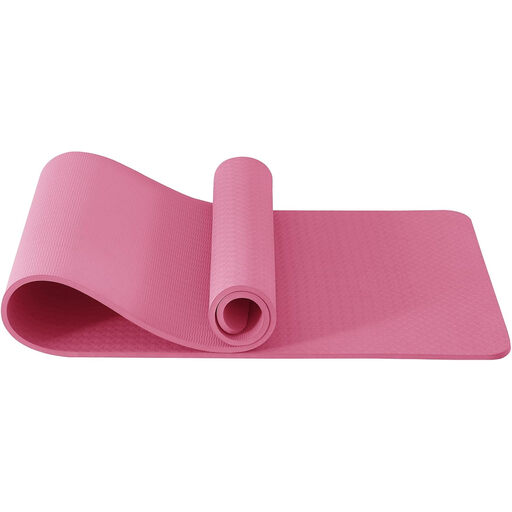
Why This Fits Their Persona: Ideal for someone starting a home fitness or Pilates routine who needs maximum joint protection on a hard UK floor. The generous thickness and included strap make it a practical, comfortable first mat.
Its 10mm high-density TPE material directly counters the "cushioning illusion" by providing genuine, supportive padding that doesn't bottom out under pressure.
Excellent cushioning for sensitive joints. The double-sided non-slip texture provides stability and it includes a yoga mat with strap for easy storage.

Why This Fits Their Persona: Perfect for anyone who practises in heated rooms or engages in vigorous workouts that induce sweat. The natural properties of cork provide a reliable, high-grip surface when it's needed most.
This mat directly solves the "slippery surface deception." The natural cork surface becomes grippier when damp, providing confidence and stability during sweaty practices.
Superior sweat-activated grip and natural odour-resistance. The TPE base provides cushioning while the cork offers a premium, eco-friendly practice surface.
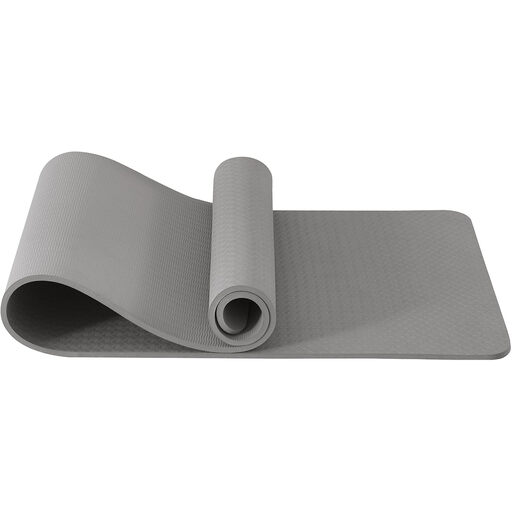
Why This Fits Their Persona: For the individual who mixes yoga classes with gym workouts and outdoor stretching. This mat offers a great blend of thick cushioning and portability, making it a reliable companion for various activities.
It solves the "portability problem." Despite its generous 10mm thickness, the TPE material keeps it relatively lightweight and the included carry strap makes it easy to transport.
A true multi-purpose pilates mat and fitness mat. Its durable, moisture-resistant surface is easy to clean and the dual-sided texture ensures a secure workout anywhere.
We have compiled a complete, real-time list of products that fully satisfy these strict selection criteria and UK safety regulations.
Many new mats have a thin, harmless film left over from the manufacturing process. To remove it, gently wipe the mat down with a damp cloth and a small amount of mild soap. Rinse with a clean, damp cloth and allow it to air dry completely away from direct sunlight. The grip on most TPE mats also tends to improve after a few sessions of use.
With regular use (2-3 times per week) and proper care, a well-made TPE yoga mat or cork yoga mat can last from 2 to 5 years. You'll know it's time for a replacement when you see signs of thinning in high-pressure areas (like where your hands and feet go in downward dog), a noticeable loss of grip or if the material starts to flake or peel.
It depends on your practice. For dynamic, balance-intensive styles like Vinyasa or Ashtanga, some practitioners find a 10mm yoga mat can feel slightly unstable, as it reduces the direct connection to the floor. However, for restorative yoga, Yin, Pilates or general floor-based conditioning, the superior cushioning of a thick yoga mat is highly beneficial for protecting joints and enhancing comfort.