Finding the right yoga mat can feel like a challenge. A mat that slips during a downward-facing dog, offers little cushioning for your knees or is too cumbersome to carry to the studio can detract from your practice. The ideal mat should support your body, suit your style of yoga and fit your lifestyle.
This guide is designed to help you understand the key features to look for in a yoga mat. We will explore different materials, thicknesses and textures to help you make an informed choice. Below, we also present our top recommendations for 2026, selected to meet a variety of needs, from gentle home practice to intense hot yoga sessions.
Your Guide to Selecting a Yoga Mat
Before choosing, consider these practical points. The right mat can enhance stability, provide comfort and support you through every pose.
1. Understanding Mat Materials
The material of your mat determines its grip, durability and feel.
- TPE (Thermoplastic Elastomers): A popular choice, TPE is a synthetic material often considered more environmentally friendly than traditional PVC. A TPE yoga mat typically offers good cushioning and grip, is lightweight and is generally free from phthalates, making it a skin-friendly option for general practice.
- Natural Rubber & Suede: Mats with a natural rubber base provide excellent floor grip. When topped with a suede or microfibre surface, they become an ideal hot yoga mat, as the material's grip often increases with moisture.
- Cork: As a natural and sustainable material, a cork yoga mat is an excellent eco-friendly yoga mat choice. Cork is naturally antimicrobial, which helps to keep it fresh, and its surface provides a firm, non-slip grip that improves as you sweat.
2. Choosing the Right Thickness
The thickness of your mat affects comfort and stability.
- Thick Mats (5mm and above): A thick yoga mat provides substantial cushioning, which is beneficial for protecting sensitive joints like knees and wrists during floor-based poses. This makes it a great option for restorative yoga, Pilates or as a general exercise mat.
- Thin Mats (1-4mm): A thinner mat offers a stronger connection to the floor, which can improve stability in standing and balancing poses. These are often lighter and more compact, making them a perfect travel yoga mat.
3. The Importance of Grip
A secure, non-slip yoga mat is crucial for maintaining proper alignment and preventing injury. The texture and material both contribute to grip. A smooth TPE mat might have a "sticky" feel, while a cork or suede surface provides a more textured, absorbent grip that performs well in sweaty conditions.
Our Top Product Recommendations
Here are a few standout options that cater to different practices and preferences.
For All-Round Home and Studio Use: MISS LULU Good Nite TPE Yoga Mat (6mm)
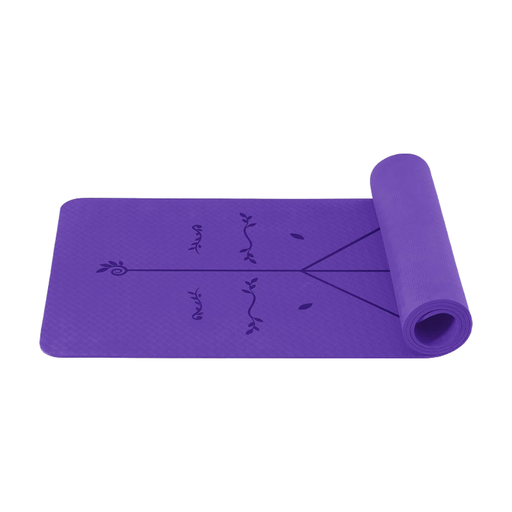
- Why It Stands Out: This mat strikes an excellent balance between comfort and functionality. Its 6 mm thickness provides ample cushioning for joints, while the printed alignment lines offer a helpful guide for positioning hands and feet, which is particularly useful for those new to yoga.
- Pros:
- Made from skin-friendly, phthalate-free TPE material.
- Double-sided non-slip texture provides a secure grip on the floor.
- Includes a yoga mat with strap for easy transport.
- Who is it for? Beginners seeking guidance on alignment, individuals who practice yoga or Pilates at home and anyone looking for a versatile mat with good cushioning.
For Travel and Hot Yoga: 2MM Microfibre & Natural Rubber Yoga Mat

- Why It Stands Out: This mat is designed for portability and performance under sweaty conditions. Its ultra-thin 2mm profile and foldable design make it an ideal travel yoga mat. The suede top layer absorbs moisture, enhancing grip during intense sessions.
- Pros:
- Extremely lightweight and folds into a compact size for travel.
- Suede surface provides excellent non-slip performance, especially for hot yoga.
- Can be used as a hygienic top layer over a studio mat.
- Who is it for? Yogis who travel frequently, practitioners of hot yoga, Ashtanga or Vinyasa and anyone wanting a personal, hygienic surface for studio classes.
For an Eco-Conscious and Grippy Practice: 5MM Cork and TPE Yoga Mat

- Why It Stands Out: This cork yoga mat combines sustainability with high performance. The natural cork surface is moisture-wicking and becomes grippier with sweat, while the TPE base ensures it stays put. At 5mm, it offers a comfortable level of cushioning.
- Pros:
- Made from sustainable and eco-friendly cork.
- Naturally odour-resistant and sweat-proof.
- Provides excellent non-slip grip, particularly in heated environments.
- Who is it for? Eco-conscious individuals, hot yoga practitioners and anyone looking for a durable, natural-feel mat that offers a great balance of cushion and grip.
Looking for More Options?
If these specific models aren't quite what you're looking for, or if you'd like to explore different colours, materials and thicknesses, we have a wider selection available.
Browse our full collection of outdoor exercise mats to find your perfect match.
Frequently Asked Questions
1. What is the difference between a yoga mat and a general exercise mat? A yoga mat is specifically designed to provide grip for holding poses and is typically thinner (3-6mm) to enhance stability and connection with the floor. A general exercise mat is often thicker (10mm or more) to provide cushioning for high-impact activities like HIIT or floor exercises, but may not offer the same level of non-slip performance.
2. How do I stop my hands from slipping on my yoga mat? Choosing a mat with a high-grip surface, such as natural rubber or cork, can make a significant difference. For hot yoga or if you tend to sweat, a mat with a microfibre or suede top layer is ideal, as it absorbs moisture to increase grip. Ensuring your mat is clean and free from oils also helps maintain its non-slip properties.
3. How thick should a yoga mat be for a beginner? A mat between 4mm and 6mm is often a good starting point for beginners. This thickness provides a comfortable balance of cushioning to protect the knees and wrists, while still being firm enough to feel stable when learning foundational poses. A thick yoga mat of 6mm is a popular and supportive choice.


