
24/7 全天候客户支持

免费退货

当日/次日达

品质保障

开启新人专享福利: 全场免邮 | 低至 2 折 | 免费试用 30 天 JoyPlus 会员
下载 Joybuy
A good quality yoga mat is the foundation of any effective floor-based workout. Whether you are flowing through a vinyasa sequence, holding a plank or stretching after a run, the surface beneath you matters. A mat that slips, bunches or offers little cushioning can be a distraction and may even compromise your form. With so many options available, choosing the right one can feel overwhelming.
This guide is designed to help you navigate the key features to look for in an exercise mat. We will break down the differences in materials, thickness and grip to help you find a mat that supports your specific practice, whether it's yoga, Pilates or a general workout at home.
Before looking at specific products, understanding a few key characteristics will help you make a more informed decision.
The material of your mat influences its grip, durability and feel.
eco-friendly yoga mat. It is naturally antimicrobial, which helps to keep it fresh. A key feature of cork is that its grip often improves with moisture, making it an excellent surface for hot yoga or for those who tend to sweat during practice.The thickness of a mat, measured in millimetres (mm), determines its level of cushioning and impacts stability.
thick yoga mat provides substantial cushioning, which can be beneficial for sensitive joints, particularly the knees and spine. This makes it a great option for a Pilates mat or for restorative and floor-based exercises. A 10mm mat, for example, offers significant comfort.A reliable grip is essential for maintaining poses safely. A non-slip yoga mat gets its grip from both its material and its surface texture. Embossed patterns can provide physical grooves for your hands and feet to hold onto, while materials like cork and some TPE compositions offer inherent non-slip properties.
Here are a few selections from our range, chosen to suit different needs and preferences.
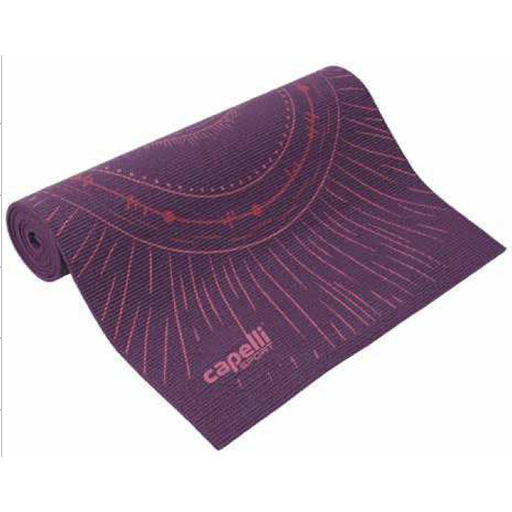
Why It Stands Out: This mat strikes an excellent balance between cushioning, portability and style. Its 6mm thickness is a versatile sweet spot, providing enough comfort for floor exercises while remaining stable enough for standing poses. The durable PVC material is built for regular use.
Pros:
Who is it for? This is a great starting point for beginners or anyone seeking a dependable and stylish mat for a variety of home workouts and gym classes. It's a practical choice for a yoga mat for women and men alike.
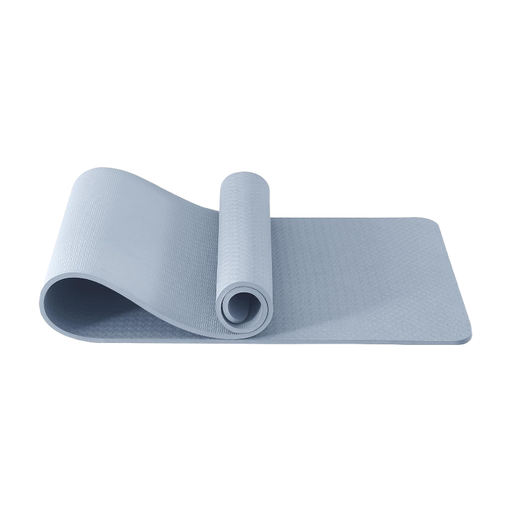
Why It Stands Out: The standout feature here is the generous 10mm thickness. This mat is designed with comfort as a priority, offering substantial support for the spine, hips and knees during floor-based movements. The included carry strap also makes it convenient to transport despite its thickness.
Pros:
thick yoga mat (10mm) for superior joint support and comfort.non-slip yoga mat texture for enhanced stability during exercises.Who is it for? Individuals who prioritise cushioning for their joints. It is particularly well-suited for Pilates, stretching routines and anyone with sensitive knees who needs extra padding for their workout mat for home.
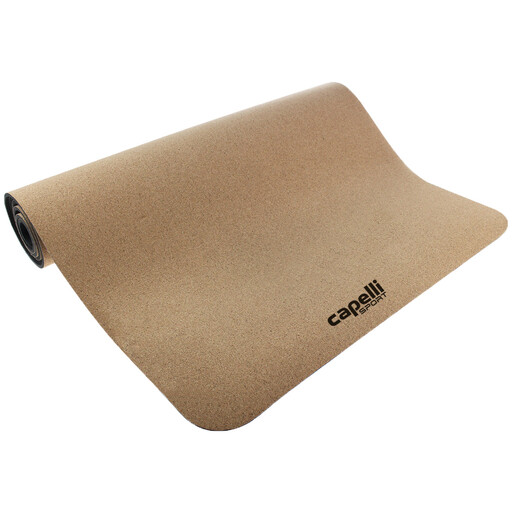
Why It Stands Out: This mat combines performance with sustainable materials. The natural cork top layer is not only an eco-friendly yoga mat choice but also offers a unique grip that improves with moisture. This makes it an exceptional hot yoga mat for heated classes or intense, sweaty sessions.
Pros:
Who is it for? Yoga practitioners who frequent heated classes or anyone who sweats significantly during their workout. It's also an excellent choice for those looking for a high-performing, sustainable product.
These recommendations cover a range of common needs, but your perfect mat might have different features. If you're looking for a different material, thickness or colour, there are many other options to consider.
To see more, browse our complete collection of yoga mat fitness products to find the ideal match for your practice.
What is the difference between a yoga mat and a general exercise mat? While the terms are often used interchangeably, yoga mats typically prioritise grip and a firm connection to the floor for stability in poses. A general exercise mat may focus more on thick cushioning for high-impact activities or comfort during sit-ups. However, many modern mats are designed to be versatile enough for both.
How do I stop my hands from slipping on my yoga mat? First, ensure your mat is clean, as oils and dirt can reduce grip. For sweaty practices, a hot yoga mat made from a material like cork can be very effective, as its grip improves with moisture. A non-slip yoga mat with a prominent texture also provides a better hold. Finally, focusing on proper weight distribution in your poses can significantly reduce slipping.
How thick should a yoga mat be for a beginner? A mat between 5mm and 6mm is often a great starting point for beginners. This thickness provides a good compromise, offering enough cushioning to make floor poses comfortable while still being firm enough to help you feel stable and balanced in standing poses.