
24/7 Customer Support

Free returns

Same-day & Next-day Delivery

Quality Guaranteed

Unlock Your Welcome Offers: FREE Delivery | Up to 80% OFF | Free 30-day JoyPlus trial
Download the APP
A yoga mat can look suitable online yet feel unstable, too thin or difficult to carry once it arrives. UK shoppers often compare colour and price first, while the details that affect everyday use are hidden in the specifications.
Three common buying traps deserve attention:
The right choice depends on where you exercise, how much cushioning you need and whether the mat must be rolled up and carried to a gym or class.
Thickness is usually listed in millimetres or centimetres:
A 7 mm mat, such as the Capelli Sport model, may suit mixed yoga, Pilates and floor workouts. For additional padding, the 1.2 cm Capelli Sport exercise mat uses NBR foam and includes a carrying strap. However, thicker foam can be less convenient to store and may feel less stable during balance-focused routines.
A non-slip yoga mat should have a surface designed to provide traction, but the result depends on the material and conditions. Embossed PVC surfaces can offer a defined texture and are relatively easy to wipe clean. Cork surfaces may feel different from conventional foam: the cork top on the 5 mm cork yoga mat is paired with a TPE base, and its grip characteristics can change as moisture builds during heated sessions.
For hot yoga, always place the mat on a clean, level surface and use caution when sweat accumulates. Product descriptions that mention “sweat-proof” or “strong grip” should be treated as product features to consider, not guarantees of performance in every studio environment.
Common materials include:
Most individual mats measure around 61 × 183 cm or 24 × 68–72 inches. Taller users may prefer the longer 72-inch format, while anyone sharing a small flat should also check the rolled diameter and storage space.
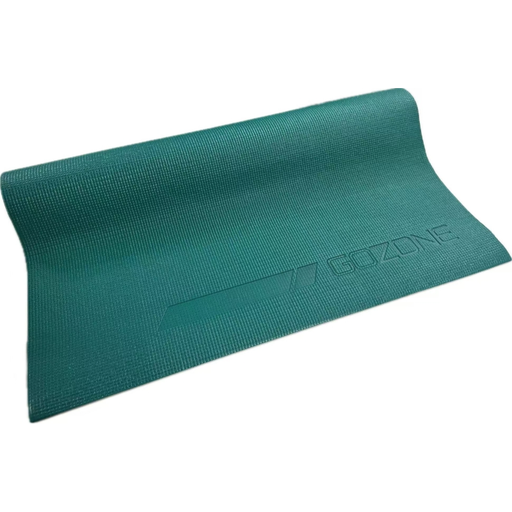
Why This Fits Their Persona: A straightforward option for beginners who want one mat for home yoga, Pilates and occasional gym sessions without choosing a bulky design.
Its 3 mm thickness makes the level of cushioning clear, rather than implying that more padding suits every activity.
PVC construction, embossed surface and 24 x 68-inch dimensions; designed for wiping clean after use.

Why This Fits Their Persona: Suitable for shoppers who prefer a natural cork upper surface and a more distinctive material combination for yoga, stretching and fitness routines.
The listing identifies both cork and TPE, giving a clearer material description than a general sustainability slogan.
5 mm thickness, 61 x 183 cm size and a cork top with TPE base; suitable for yoga, Pilates and workouts.
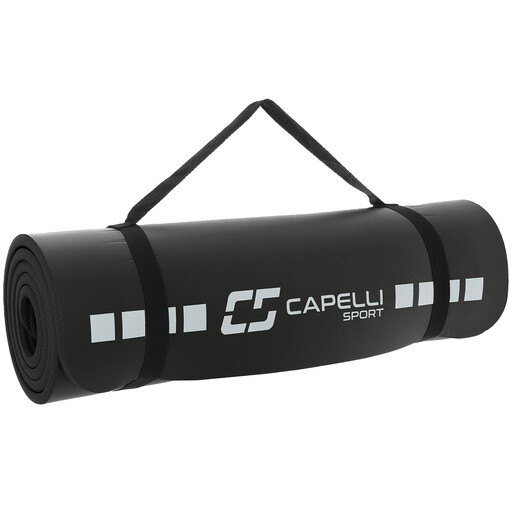
Why This Fits Their Persona: A practical match for users who do frequent floor workouts, stretching or gym training and want noticeably thicker cushioning.
The 1.2 cm specification makes its cushioning purpose clear, while the textured surface avoids relying on a vague grip claim.
NBR foam construction, 1.2 cm padding, textured traction and an elastic carrying strap.
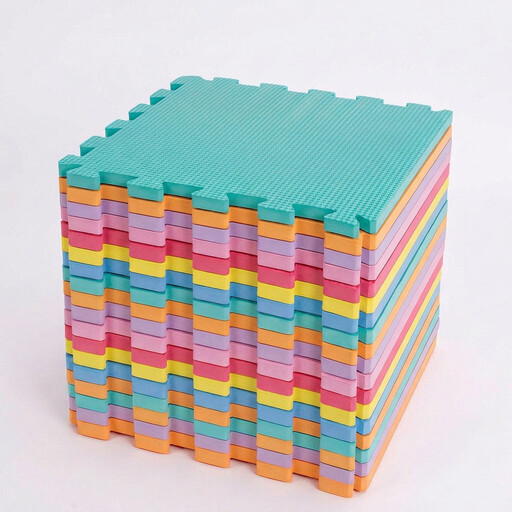
Why This Fits Their Persona: Useful for parents, classrooms and home workout areas that need a larger modular surface rather than one roll-up mat.
The pack quantity and tile dimensions are stated clearly, helping you calculate the covered area before buying.
18 12 x 12-inch EVA foam squares, 27 edge pieces and an interlocking design that can be assembled and separated.
We have compiled a complete, real-time list of products that fully satisfy these strict selection criteria and UK safety regulations.
Often, yes. A 6–10 mm mat can make lying-down Pilates movements more comfortable, particularly on hard flooring. However, a very soft mat may make balance and controlled transitions less stable. Choose thickness according to the exercises you perform most often.
Clean both the floor and the underside of the mat, remove dust and unroll it fully. Place it on a dry, level surface and avoid using it when moisture has collected underneath. A textured or double-sided non-slip design may help, but no surface replaces careful setup.
There is no universal replacement schedule. Inspect the mat rather than relying only on age. Replace it when the surface becomes persistently slippery, the material cracks or peels, the edges curl significantly or the cushioning no longer feels even. Regular cleaning and suitable storage can help maintain its usable condition.