
24/7 Customer Support

Free returns

Same-day & Next-day Delivery

Quality Guaranteed

Unlock Your Welcome Offers: FREE Delivery | Up to 80% OFF | Free 30-day JoyPlus trial
Download the APP
A yoga mat can look suitable online yet feel unstable, too thin or difficult to clean once it arrives. The right choice depends less on colour or printed design and more on how the mat will be used, where it will be stored and how much cushioning your joints need.
Whether you are comparing a non-slip yoga mat, a Pilates mat or a general fitness exercise mat, watch for three common buying pitfalls.
Embossed or textured surfaces can improve traction, but grip varies with sweat, dust, flooring and movement. A surface that feels stable during gentle stretching may behave differently during hot yoga or fast transitions. Product descriptions should explain the texture and care requirements, but no mat removes the need to exercise caution on a wet surface.
A thick yoga mat can feel comfortable under knees and hips, but excessive softness may make balancing poses less stable. Conversely, a 3mm mat is easier to carry and provides closer contact with the floor, but may offer limited cushioning on hard floors.
Thickness should match your activities:
TPE, PVC, cork, NBR and EVA foam each have different characteristics. Marketing terms such as “eco-friendly”, “premium” or “professional” should not replace clear information about dimensions, thickness, cleaning and intended use. Check the actual material listed, whether the mat has a carry strap and whether the surface is suitable for your flooring.
A typical yoga mat is around 61cm wide and 183cm long, although some printed mats measure 68 or 72 inches in length. Taller users or those who move frequently may prefer extra length to keep hands and feet on the mat.
For a home workout mat, consider the available floor space as well as storage. A thick, wide mat may be comfortable but harder to roll away in a small flat. For a gym bag or commuting, weight and portability matter more.
Look for terms such as embossed surface, textured finish, double-sided grip or cork top with TPE backing. These are more useful than a general “non-slip” label because they describe how traction is created.
Grip should also be considered alongside the workout. Pilates and mobility sessions may require a smooth, stable surface, while hot yoga can involve more moisture. Always place a mat on a clean, dry and level floor and follow the care instructions supplied with the product.
For use around children, inspect tiles regularly and follow the supplier’s cleaning and supervision guidance. Avoid assuming that a product is suitable for every age or activity simply because it is described as non-toxic.
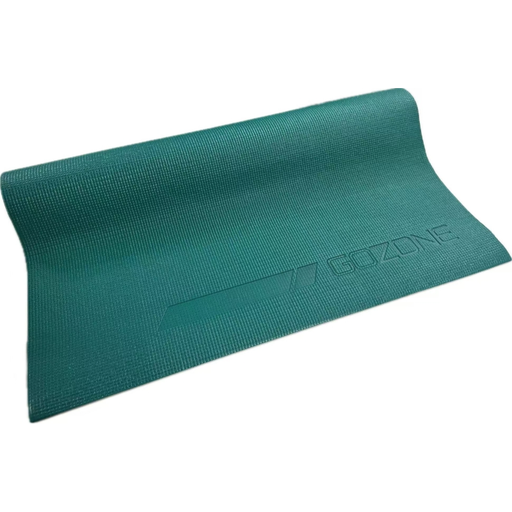
Why This Fits Their Persona: A straightforward option for beginners trying yoga, Pilates or occasional home workouts without choosing a heavily padded mat.
The listed 3mm thickness and 68 x 24 inch dimensions make its size and cushioning clear, rather than relying only on broad comfort claims.
PVC construction, embossed surface and wipe-clean care instructions.
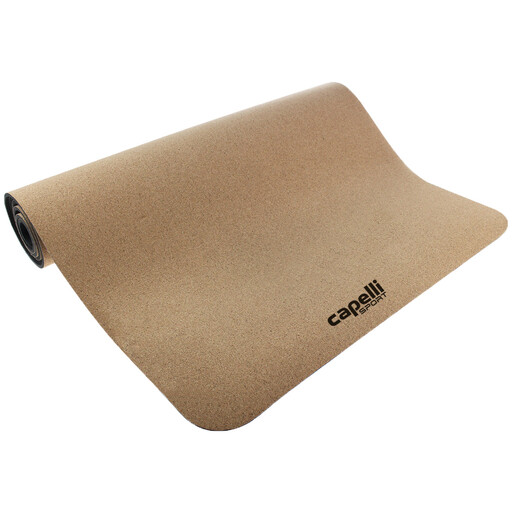
Why This Fits Their Persona: Suitable for users who want a distinctive natural cork surface for regular yoga, stretching or heated sessions.
Its material pairing is specified as cork with a TPE base, making it easier to assess than an unspecified “natural” finish.
5mm thickness, 61 x 183cm size and cork/TPE construction.
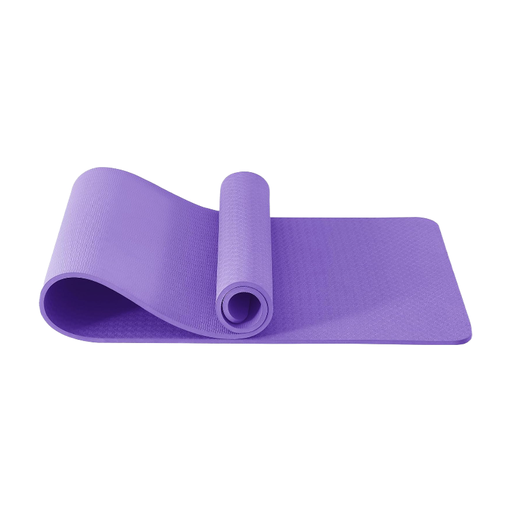
Why This Fits Their Persona: Designed for users prioritising cushioning during Pilates, stretching, gymnastics, floor training or home fitness.
The 10mm thickness is stated clearly, helping buyers distinguish substantial cushioning from thinner everyday yoga mats.
High-density TPE, double-sided textured grip and included carry strap.
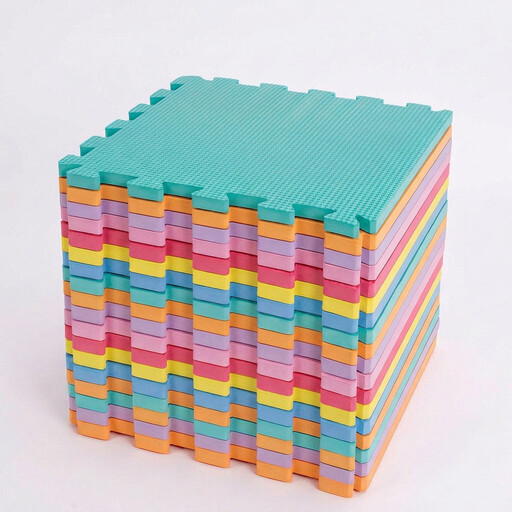
Why This Fits Their Persona: A practical format for playrooms, classrooms, exercise areas or users who need to cover more floor space than a single mat allows.
The pack quantity, 12 x 12 inch tile size and interlocking format are specified, so coverage can be planned before purchase.
EVA foam tiles, simple click-together assembly and included edge pieces.
We have compiled a complete, real-time list of products that fully satisfy these strict selection criteria and UK safety regulations.
For general home workouts, 5–7mm offers a balance between cushioning and stability. Choose around 3–4mm if portability and floor feedback matter, or 10–12mm when extra support for kneeling and lying exercises is the priority.
Lifespan depends on frequency of use, body weight, flooring, cleaning and storage. A mat used several times a week may show wear sooner than one used occasionally. Check the surface and edges regularly rather than relying on a fixed replacement schedule.
Most yoga mats can be placed on clean, flat indoor flooring, including carpet and wood. A gym floor mat or interlocking EVA foam system may be more suitable when you need wider coverage, additional cushioning or protection for a playroom and exercise area. Always check that the base remains stable during movement.