
24/7 Customer Support

Free returns

Same-day & Next-day Delivery

Quality Guaranteed

Unlock Your Welcome Offers: FREE Delivery | Up to 80% OFF | Free 30-day JoyPlus trial
Download the APP
A yoga mat can look suitable online yet feel unstable, uncomfortable or difficult to carry once it arrives. UK shoppers often compare colour and price first, but the details that affect everyday use are usually thickness, surface grip, material and storage format.
Three common buying traps are worth avoiding:
The right choice depends on where and how you practise, rather than on a single headline feature.
Thickness is normally stated in millimetres. A 2mm travel yoga mat is light and easy to fold, but it is often more suitable as a cover layer or for soft, even surfaces. A 5mm or 6mm yoga mat offers a practical balance for yoga, Pilates and general home exercise. A 7mm thick yoga mat provides additional cushioning for floor workouts, stretching and users who prefer more support under elbows, hips or knees.
Cushioning is not the same as stability. If you regularly practise balance poses, a firmer surface may be more useful than maximum softness. For Pilates and fitness exercise, additional padding can make seated and kneeling movements more comfortable.
A non-slip yoga mat should be assessed in relation to your routine. Embossed PVC surfaces can help create traction during everyday movement, but the product information should still be checked for wet-use warnings.
For hot yoga, a sweat-resistant yoga mat or absorbent surface may be more practical. Cork can feel relatively firm when dry and may become more comfortable to grip as moisture increases. Suede or microfibre surfaces can absorb sweat, although they still need to be placed on a clean, stable floor.
Always position a mat on a flat, dry and level surface. No mat should be treated as slip-proof in every condition.
The standard full-size format in this selection is approximately 61 × 183cm or 24 × 72 inches, giving most adults enough length for common lying and standing poses. Check the width as well if you have limited space at home or need to fit between gym equipment.
Common materials include:
Clean the surface according to the product instructions. Allow a mat to dry fully before rolling it up, and avoid prolonged direct sunlight unless the care guidance specifically permits it.
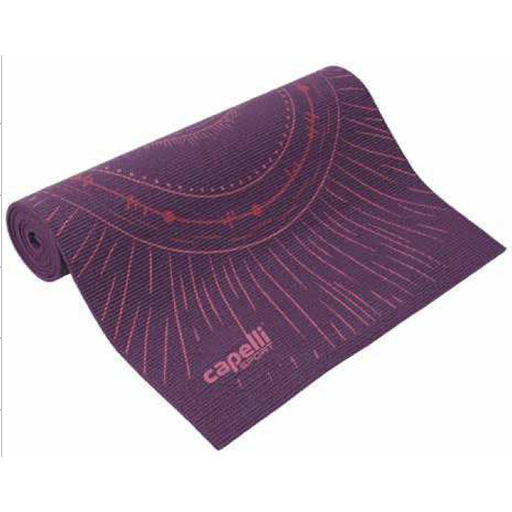
Why This Fits Their Persona: A practical starting point for home workouts, Pilates and occasional gym sessions, with a familiar full-size format for adults.
Its 6mm cushioned, embossed surface gives clearer specification details than a vague “comfort” claim. The care guidance notes that traction may reduce when the mat is wet.
PVC construction; 6mm thickness; suitable for yoga, Pilates, fitness and floor workouts; wipe-clean surface.
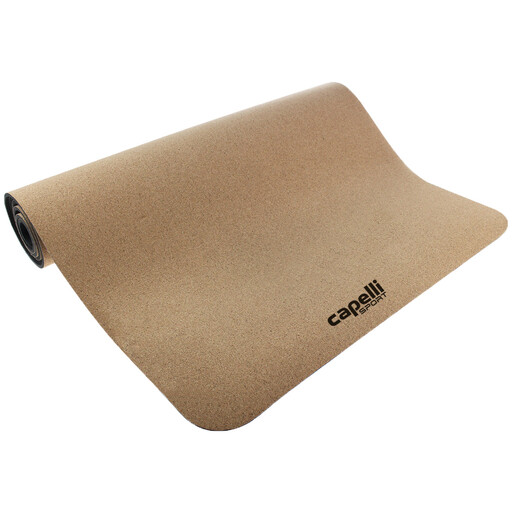
Why This Fits Their Persona: A considered option for regular practitioners who want a cork surface for yoga, stretching, Pilates and heated sessions at home or in a studio.
The cork top and TPE base are clearly identified, while the 5mm thickness avoids the instability that can come with very soft, oversized cushioning.
Natural cork top; TPE bottom; 5mm cushioning; designed for yoga, Pilates, workouts and hot yoga use.
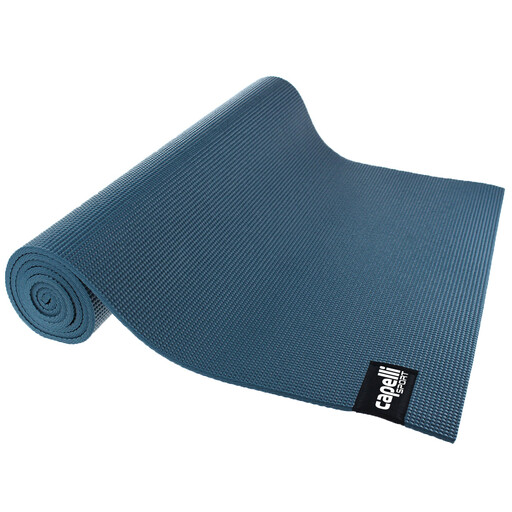
Why This Fits Their Persona: Suits frequent floor workouts, stretching and Pilates where extra padding under joints is a priority.
The 7mm specification makes the cushioning level clear, while the stated PVC material helps shoppers compare it with cork, rubber and thinner travel designs.
7mm thickness; non-slip coating; 61 × 183cm format; suitable for yoga, Pilates, home fitness and floor workouts.

Why This Fits Their Persona: A compact choice for commuters travelling to classes, outdoor practice and studio users who need a cover layer in a small bag.
Its 2mm construction is openly positioned as thin and foldable, so buyers are less likely to expect the cushioning of a thick yoga mat.
Natural rubber base; suede microfibre surface; sweat-absorbent; foldable; includes a storage bag.
We have compiled a complete, real-time list of products that fully satisfy these strict selection criteria and UK safety regulations.
A foldable yoga mat should be stored without sharp creases where possible. For PVC mats, mild soap and a damp cloth are generally more suitable than harsh chemicals, subject to the care instructions supplied with the product.
For general yoga, Pilates and home exercise, 5mm to 6mm is a practical range for cushioning and stability. Choose 7mm if floor comfort is especially important. A 2mm travel mat is more portable but provides less protection from hard floors.
Yes. Many yoga mats are also designed for Pilates, stretching, core exercises and floor workouts. Check the dimensions, thickness and surface grip. A cushioned yoga mat may feel more comfortable for kneeling and lying exercises, while a firmer surface can suit balance-focused practice.