
24/7 Customer Support

Free returns

Same-day & Next-day Delivery

Quality Guaranteed

Unlock Your Welcome Offers: FREE Delivery | Up to 80% OFF | Free 30-day JoyPlus trial
Download the APP
As a Joybuy Product Recommendation Officer, my role is to help you navigate the crowded market of home workout equipment. When it comes to Yoga & Pilates equipment, it’s easy to feel overwhelmed by choice. More importantly, it's easy to make a purchase you later regret. This guide is designed to help you sidestep common buying traps and choose gear that genuinely supports your practice, whether you're a complete beginner or a seasoned enthusiast.
Before you add anything to your basket, be aware of these frequent issues that lead to disappointment and wasted money.
yoga mat depends entirely on your primary practice.yoga block or resistance ring you can find. The problem is that low-density foam blocks can compress and lose their shape, failing to provide stable support when you need it most. Similarly, a flimsy Pilates ring won't offer consistent resistance, defeating its purpose.Pilates reformer for home, but are little more than a board with a few resistance bands. A true reformer experience relies on a smooth, gliding carriage and a sturdy frame. Many compact alternatives lack the stability and controlled motion needed for authentic Pilates exercises, offering a very different workout.To make a smart purchase, focus on these key specifications. They are the difference between equipment that aids your progress and equipment that holds you back.
The surface you practise on is critical. Understanding the trade-offs between material and thickness ensures you get the right support and grip.
home workout equipment.non-slip fitness mat.For stretching accessories and strength tools, stability is non-negotiable.
yoga block is used to support your body, deepen stretches and ensure proper alignment. Look for high-density foam or solid cork. A cork block offers superior firmness and a weighty, stable feel, while high-density PE foam provides a good balance of support and comfort. Avoid low-density foam that feels squishy.Pilates ring adds resistance to target muscles in the arms, chest and thighs. A good ring should have a firm, consistent flex and comfortable, padded handles. If it feels too easy to squeeze or bends unevenly, it won't provide an effective workout.Instead of a generic list, here are recommendations matched to specific user needs, helping you find the right fit for your lifestyle.
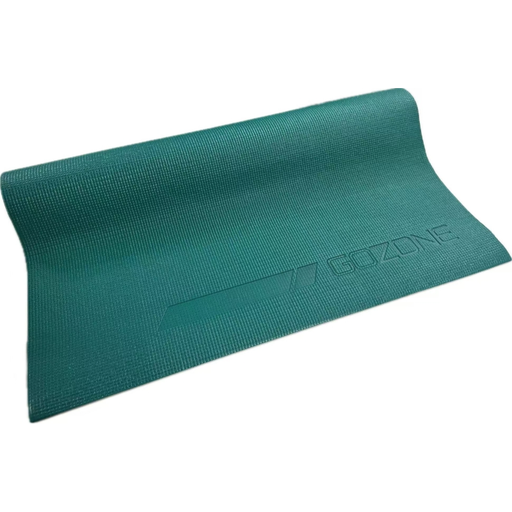
Why This Fits Their Persona: For someone in the UK just starting their yoga or Pilates journey, this mat provides a functional, no-frills entry point without a significant financial commitment. It's perfect for trying out classes or following online tutorials at home.
This mat sidesteps the "one-size-fits-all" myth by being an honest, basic option. Its 3mm thickness is clearly stated, making it suitable for standing poses and light floor work, without pretending to be a high-cushion mat.
The durable PVC material is easy to wipe clean and resists tearing, offering good value. Its embossed surface provides reliable grip for a beginner's needs.
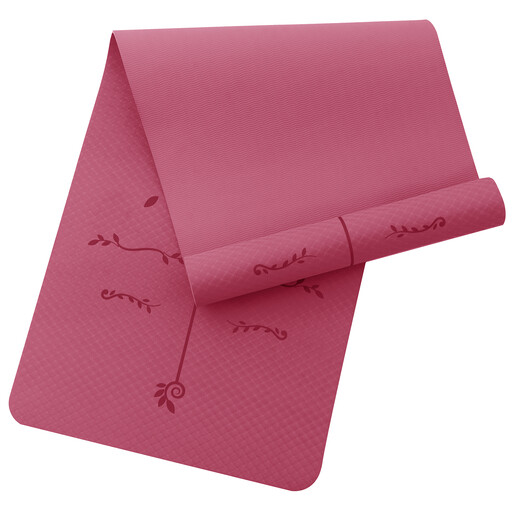
Why This Fits Their Persona: For those practising regularly at home, comfort and guidance are key. This mat's 6mm thickness protects joints during floor exercises, while the alignment lines help refine poses without an instructor present.
It directly addresses the need for specific features beyond the basics. Instead of a generic mat, it offers a tangible benefit—6mm TPE cushioning and alignment guides—that avoids the "one-size-fits-all" trap for a more focused home practice.
The double-sided non-slip surface provides excellent stability and the included carrying strap makes it easy to store or take to a studio. The alignment lines are a practical tool for self-correction.
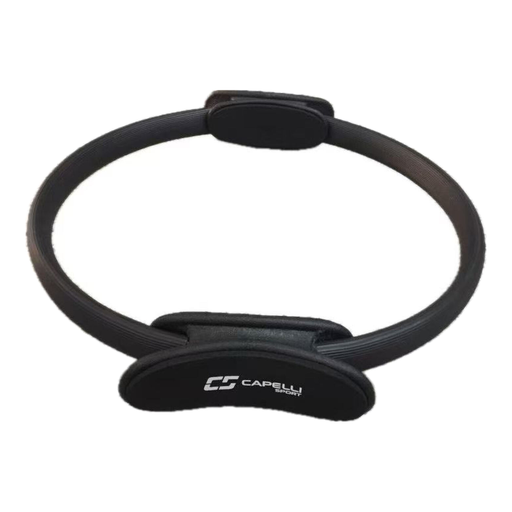
Why This Fits Their Persona: This user wants to add intensity and target specific muscles. A Pilates ring is a classic, effective tool for this. It's perfect for enhancing mat-based workouts by adding resistance to core, leg and arm exercises.
This avoids the "flimsy accessory" trap. It is a purpose-built piece of equipment designed for reliable resistance, not a cheap gimmick. Its simple, effective design is a hallmark of classic Pilates apparatus.
It is lightweight and highly portable, fitting easily into a gym bag. The durable PP and PE construction provides consistent resistance to effectively tone inner and outer thighs, arms and core muscles.
We have compiled a complete, real-time list of products that fully satisfy these strict selection criteria and UK safety regulations.
For active yoga styles like Vinyasa or Ashtanga, a thinner mat of 3-4mm is often preferred for stability in standing and balancing poses. For Pilates, restorative yoga or if you have sensitive knees and wrists, a thicker mat of 5-6mm provides better cushioning and comfort for floor-based exercises.
Yes, you can, but the ideal choice depends on the mat. Pilates involves many rolling and spine-focused movements, so a thicker mat (5mm or more) is generally more comfortable than a standard thin yoga mat. A non-slip fitness mat is essential for both practices to ensure safety.
A foam yoga block, typically made from PE or EVA foam, is lightweight and soft to the touch, offering comfortable support. A cork block is heavier, firmer and more rigid. It provides exceptional stability, making it a favourite for practitioners who need very solid support in balancing poses or for meditation accessories. Cork also has a naturally non-slip texture.