
24/7 Customer Support

Free returns

Same-day & Next-day Delivery

Quality Guaranteed

Unlock Your Welcome Offers: FREE Delivery | Up to 80% OFF | Free 30-day JoyPlus trial
Download the APP
Starting or enhancing your home practice is an exciting step, but navigating the world of yoga and Pilates equipment can be confusing. With so much marketing jargon, it's easy to end up with gear that hinders your progress or gathers dust in a corner. As the Joybuy Product Recommendation Officer, my role is to help you sidestep common purchasing mistakes and find equipment that genuinely supports your fitness journey.
This guide focuses on the practical realities of choosing the right gear for your home workouts in the UK, from the essential exercise mat to supportive yoga accessories.
Before you add anything to your basket, be aware of these common traps that lead to buyer's remorse.
To ensure your equipment is a help, not a hindrance, focus on these three non-negotiable factors.
The thickness of your mat is crucial for comfort and support.
Equally important is density. A dense, high-quality 4mm mat can offer more support than a flimsy, airy 6mm one. Look for materials that feel substantial and don't compress completely under pressure.
The material dictates the mat's grip, durability and feel.
Beyond the mat, a few key accessories can transform your practice.
Based on these practical criteria, here are some equipment recommendations matched to different user needs.
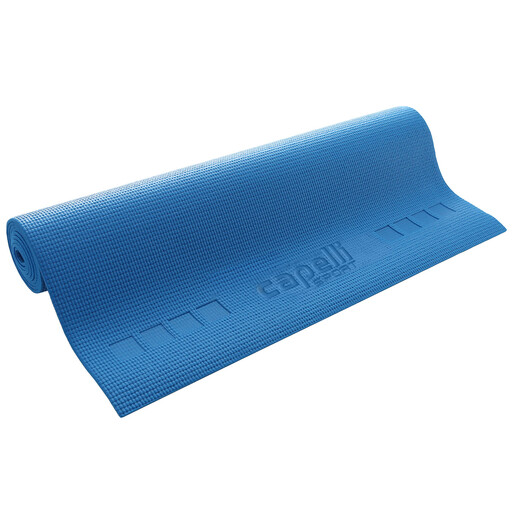
Why This Fits Their Persona: Ideal for someone just starting their yoga or Pilates journey at home who needs a reliable, no-frills mat without a large initial investment. It's functional for basic routines and easy to store.
At 4mm thick, it provides a noticeable step-up in cushioning from the ultra-thin 3mm mats, avoiding the "paper-thin" pitfall. Its embossed surface is designed for better stability than cheap, smooth PVC mats.
Durable PVC material resists tearing and is easy to wipe clean. The embossed texture provides a more secure footing for standing and floor poses.
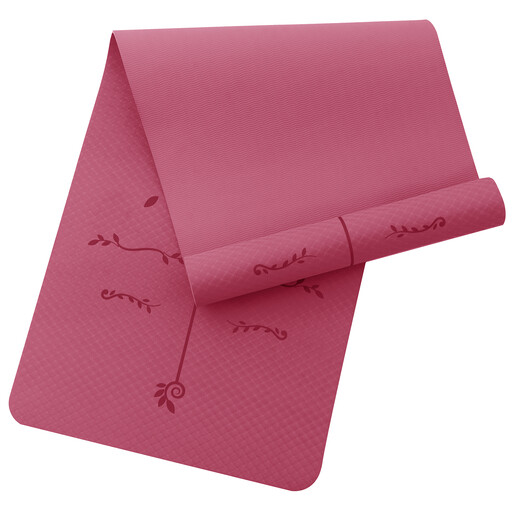
Why This Fits Their Persona: For those who practice several times a week at home and need superior comfort and grip. The extra thickness is ideal for sensitive joints and varied floor exercises on hard surfaces.
The generous 6mm thickness directly solves the comfort issue on hard floors. Its TPE material and double-sided anti-slip design provide reliable grip, countering the "slippery surface" hazard effectively.
Features alignment lines to help guide body positioning. Made from skin-friendly TPE and includes a carrying strap for easy transport and storage.
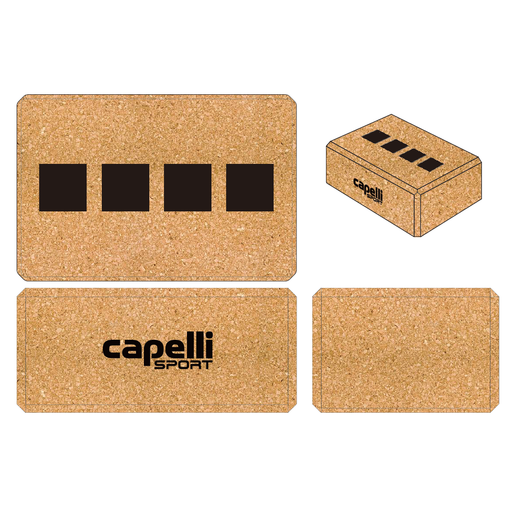
Why This Fits Their Persona: Perfect for the intermediate practitioner who wants to improve alignment and safely explore deeper stretches. A block is a fundamental tool for progressing your practice with correct form.
This avoids the "all-in-one kit" trap by being a single, high-quality accessory. Unlike flimsy foam blocks, this natural cork block is firm and stable, providing reliable support without compressing under weight.
The non-slip surface and beveled edges ensure a secure and comfortable grip. Cork is naturally durable and provides the firm stability needed for balance and support poses.
We have compiled a complete, real-time list of products that fully satisfy these strict selection criteria and UK safety regulations.
For a beginner practising at home in the UK, a mat between 4mm and 6mm is a great starting point. Choose 4mm if you plan to take it to classes often and value portability. Opt for 6mm if your primary concern is comfort and cushioning for floor-based exercises on hard surfaces.
Always check the manufacturer's instructions first. However, most PVC and TPE mats can be cleaned by wiping them down with a damp cloth and a solution of water and mild soap. Rinse with a clean cloth and allow it to air dry completely before rolling it up. Cork is naturally anti-microbial but should be wiped with a damp cloth and kept in a dry place.
While not strictly mandatory, they are highly recommended. Yoga blocks are an invaluable piece of stretching equipment that helps you maintain proper alignment and posture in poses that are currently beyond your flexibility. Using them prevents you from overstretching and risking injury, allowing you to build strength and flexibility safely.