For everyday shopping for an older person, compare yoghurt labels for protein, sugars, fat and saturates, then choose a portion and texture they are likely to eat. The NHS identifies yoghurt as a source of protein and calcium, but poor appetite, unplanned weight loss, milk allergy or swallowing difficulties call for individual checks rather than an automatic low-fat choice.
Who is this for?
Older shoppers choosing everyday snacks
For someone aged over 65, yoghurt can be one way to include protein and calcium in a varied diet. The NHS recommends checking dairy labels for fat, saturates and sugar; the Royal United Hospitals Bath NHS Foundation Trust also highlights protein and calcium when discussing diets for people over 65.
Shoppers comparing sugar and fat
If either is a priority, compare the nutrition declaration on the exact product. A lower-fat claim does not tell you its sugar content, and a familiar flavour or brand does not tell you how two recipes compare.
Carers shopping for someone with a reduced appetite
Do not make a routine switch to fat-free yoghurt when the person has poor appetite or unplanned weight loss. Norfolk and Waveney Integrated Care System notes an increased risk of malnutrition among people receiving care; follow the individual care plan and seek professional nutrition advice where needed.
What should you check?
For shoppers over 65, the Royal United Hospitals Bath NHS Foundation Trust highlights protein and calcium, while the NHS identifies yoghurt as a source of both. Start with the person’s dietary requirements, then compare labels on products they would eat.
| Priority |
What to check |
Your needs |
| Protein and calcium |
Compare declared protein per 100g or per serving on like-for-like products. Check the calcium declaration where shown and consider portion size. |
I want a portion the person enjoys and is likely to eat as part of their usual meals. |
| Sugar and fat |
Compare sugars, fat and saturates per 100g. Check a claim such as fat-free or no added sugar against the full nutrition declaration and ingredients. |
I may prefer a less sweet option, but I do not want to assume that a lower-fat label also means lower sugar. |
| Dietary and care needs |
Read the current ingredients and allergen statement. For prescribed textures or nutrition needs, follow the person’s care plan rather than judging by the yoghurt style alone. |
Someone I shop for has an allergy or an individual care requirement, so that comes before a general label preference. |
Common shopping mistakes
-
Treating all yoghurts as nutritionally alike
Plain, flavoured and whole-milk recipes can have different amounts of sugar, fat and saturates. A style name alone does not establish how a particular product compares.
Compare the nutrition declarations on similar products per 100g, then check whether the serving size and flavour suit the person eating it.
-
Automatically choosing fat-free yoghurt for someone with poor appetite
Norfolk and Waveney Integrated Care System identifies increased malnutrition risk among older people needing care. A general lower-fat preference may not fit an individual nutrition plan.
For poor appetite, unplanned weight loss or a documented nutrition concern, follow the care plan and discuss food choices with a healthcare professional or dietitian.
-
Relying on an old ingredient listing
The Food Standards Agency identifies milk as a common yoghurt ingredient. Tesco Groceries also warns that product ingredients, nutrition and allergen information can change.
For anyone with an allergy, read the current pack’s ingredients and allergen statement rather than relying only on a previous purchase or an online listing.
-
Treating live cultures as a medical solution
Some yoghurt and kefir products are marketed around live cultures, but that positioning does not establish suitability for an individual medical condition.
Choose this style for product preference, compare its nutrition label as you would any yoghurt, and seek clinical advice for persistent symptoms or prescribed dietary needs.
Yoghurt brands to compare
These brands illustrate different yoghurt ranges; compare the exact product and current pack rather than treating a brand name as a nutrition specification.
Müller
Müller lists Corner and Müller Light products in its UK yoghurt range.
- The range offers different formats and fat-content claims to compare.
- Müller describes its Light Cherry variant as fat-free, with no added sugar and high in protein; those claims must not be applied to every Müller yoghurt.
Onken
Onken lists fruited, 0% fat and natural ranges on its UK site.
- Shoppers can compare plain and flavoured styles within the range.
- Check each recipe’s nutrition declaration rather than assuming the ranges have the same sugar or fat content.
Yeo Valley Organic
Yeo Valley describes natural live yoghurt made with British whole milk.
- Its natural yoghurt is an option for someone who wants an unflavoured whole-milk product.
- If fat or saturates are a selection priority, compare the exact pack with other products rather than assuming natural means lower-fat.
Activia
Activia lists yoghurt and kefir products in its UK range.
- The range includes kefir-style products for shoppers who prefer that format.
- Live-culture marketing does not establish suitability for a medical condition; compare the exact product’s ingredients, sugar and fat.
Tesco
Tesco Groceries lists own-label Greek-style yoghurt alongside other yoghurt products.
- Its listings offer product-level ingredients and nutrition information for comparison.
- Tesco warns that formulations and allergen information can change, so read the current pack.
Joybuy yoghurt drink options
These bottled yoghurt drinks are options for someone considering a 220ml drink rather than a yoghurt pot. Compare their current labels with the person’s nutrition and dietary requirements before choosing.
 No image available
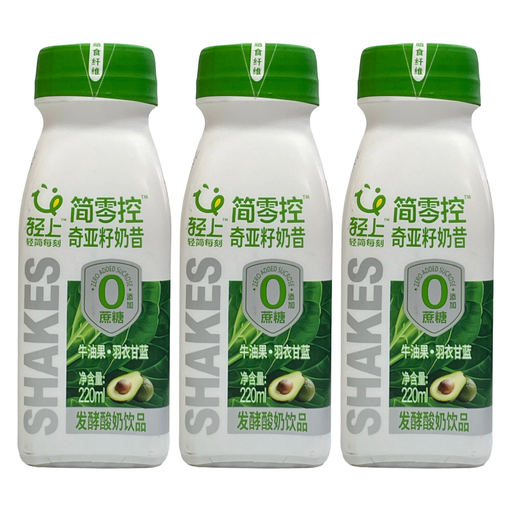
LIGHT UP Zero Control Avocado Kale Chia Seed Milkshake Yoghurt Drink 220ml*3
A three-bottle pack for someone who prefers a small, ready-to-drink portion. Milk is declared as an allergen. Check the current pack’s ingredients and sugars declaration against any no-added-sugar claim, and follow its storage instructions.
View on Joybuy
 No image available
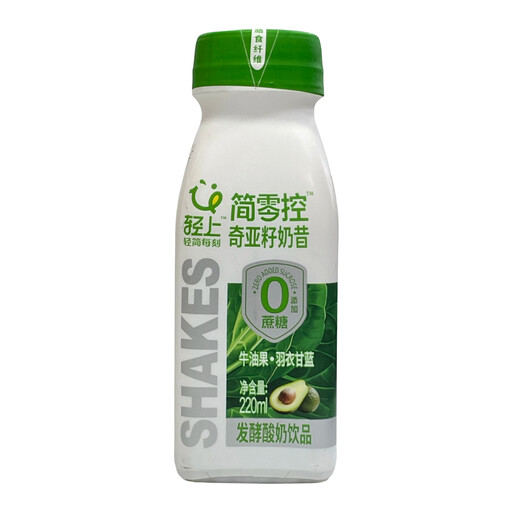
LIGHT UP Zero Control Avocado Kale Chia Seed Milkshake Yoghurt Drink 220ml
A single 220ml bottle for someone who prefers a ready-to-drink format. Milk is declared as an allergen. Check the current pack’s ingredients and sugars declaration against any no-added-sugar claim, and follow its storage instructions.
View on Joybuy
Questions about choosing yoghurt
Is yoghurt worth including when shopping for an older person?
Yoghurt can contribute protein and calcium to a varied diet, according to the NHS. Choose a product the person likes and compare its sugar, fat and saturates with other yoghurts you are considering.
Should an older shopper always choose low-fat yoghurt?
No. A lower-fat option may fit some shoppers’ preferences, but it should not be an automatic swap for someone with poor appetite or unplanned weight loss. Norfolk and Waveney Integrated Care System identifies increased malnutrition risk among people needing care; follow individual nutrition advice in that situation.
What if the person has a milk allergy?
Do not assume an ordinary dairy yoghurt is suitable: the Food Standards Agency identifies milk as a common yoghurt ingredient. Read the current pack’s allergen statement and follow the person’s allergy advice; a lactose-free label alone does not establish that a product is milk-free.
What should a carer check before serving yoghurt?
Check the person’s care plan, allergies and any prescribed texture requirements before serving it. Also read the pack’s storage instructions and use-by date, particularly when shopping or preparing food on someone else’s behalf.


