Parents packing a chilled lunch
If you can prepare a cool bag and ice pack, compare individual portions with larger tubs. Check the exact yoghurt’s storage wording and whether your child will need a spoon.


Choose yoghurt for a school packed lunch by its exact storage instructions, not by the word “filtered”: that description does not establish whether it can travel without chilling. For a yoghurt labelled “keep refrigerated”, plan a cool bag and ice pack; then compare the portion, ingredients and milk-allergen declaration with your child’s needs and the school’s policy.
If you can prepare a cool bag and ice pack, compare individual portions with larger tubs. Check the exact yoghurt’s storage wording and whether your child will need a spoon.
Plain, fruit-containing and no-added-sugar products need a label-by-label comparison. “No added sugar” does not mean that a yoghurt contains no naturally occurring sugars.
Yoghurt commonly contains milk, as the Food Standards Agency notes. Check the current pack and any arrangements for your child’s known allergy before adding yoghurt to a school lunch.
Start with storage and allergens, then choose a portion and ingredient list that work for the way lunch will be served.
| Priority | What to check | Your needs |
|---|---|---|
| Storage | Read the exact pack’s storage instruction and use-by date. For yoghurt labelled “keep refrigerated”, plan a cool bag and ice pack; Wirral Community Health and Care NHS Foundation Trust advises using ice packs to help keep packed-lunch food cool. | I need to know how the yoghurt should be stored until lunch, rather than assuming a filtered or child-sized product can be carried without chilling. |
| Ingredients and sugars | Compare ingredients and sugars per 100 g and per portion. Check added-sugar wording and any fruit, oat or other additions on the exact variant. | I want to distinguish a plain or no-added-sugar yoghurt from one with added ingredients, without judging it by the brand or flavour alone. |
| Milk and school rules | Read the current milk-allergen declaration. Where a child has a known allergy, check the school’s arrangements and any individual healthcare plan; Department for Education guidance says schools in England must publish an allergy safety policy. | Before I pack dairy yoghurt, I need to know whether it fits my child’s allergy requirements and this school’s packed-lunch rules. |
| Portion and serving | Check the portion size, whether the pack can be eaten as supplied, and whether a spoon or separate lidded container is needed. | A small individual portion may simplify packing; if I portion yoghurt from a tub, I need a container and spoon that work at school. |
The Little Yeos child-sized products listed by Tesco Groceries say to keep refrigerated. A small portion does not change that instruction.
Follow the exact pack’s storage wording and use-by date. For a refrigerated yoghurt, prepare a cool bag with an ice pack.
“Filtered” does not tell you whether the particular yoghurt needs refrigeration or how to carry it to school.
Read the storage instruction on the product you are buying; if it says “keep refrigerated”, arrange chilled transport.
Tesco Groceries lists a no-added-sugar Little Yeos yoghurt and a separate yoghurt-and-oats pot containing organic sugar. Their ingredient lists call for different checks.
Compare ingredients and sugars per 100 g as well as per portion, and check any toppings or cereals on the exact pack.
The Food Standards Agency identifies milk as a common ingredient in yoghurt. The rules relevant to a child’s known allergy depend on the school’s arrangements and any individual healthcare plan.
Read the current allergen declaration and ask the school about its packed-lunch and allergy arrangements where these affect your child.
Use these ranges to identify formats worth comparing, then rely on the exact product label for storage, ingredients and allergens.
Its Little Yeos range includes the 42 g yoghurt portions and 85 g yoghurt-and-oats pots listed by Tesco Groceries.
Onken Natural Set is a plain whole-milk yoghurt to consider if you want to portion a larger tub at home.
Müller’s UK range includes Corner and Light yoghurt formats, according to Müller UK & Ireland.
Rachel's Organic says its organic yoghurts are made in West Wales using local British milk.
If considering an Activia yoghurt for a packed lunch, choose by the particular pack rather than its range name.
Tesco Groceries groups children’s yoghurts alongside natural, Greek-style, dairy-free and lactose-free options.
These individual portions are baby-oriented yoghurt products. If considering one for a school packed lunch, check its serving directions, the child’s needs and the current pack’s storage instructions; neither is presented as a filtered yoghurt.
 No image available
This 90 g individual pouch offers a pre-portioned option, but its directions call for serving the yoghurt into a bowl or onto a spoon, not drinking directly from the pouch.
It is described for babies from 6 months, says no added sugar and contains milk. The unopened pouch may be stored in a cupboard or fridge; check the current pack for packed-lunch transport instructions, and use a cool bag with an ice pack if packing it chilled.
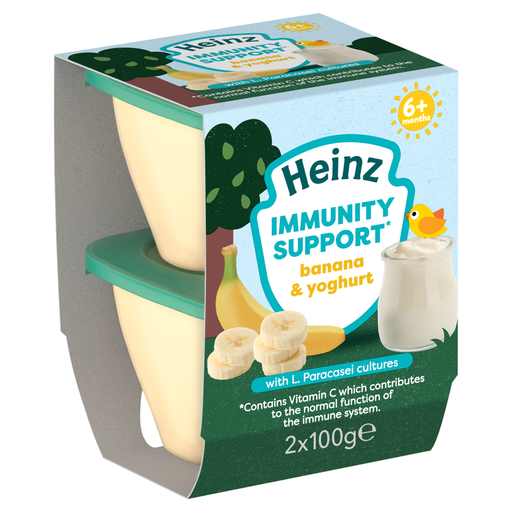 No image available
The two 100 g pots provide individual portions, but the serving directions call for a clean spoon and supervised feeding.
Designed for babies from 6 months, the yoghurt contains milk. Its description says to store unopened pots in a cool, dry place; check the current pack for transport instructions and suitability for the school-age child, and use a cool bag with an ice pack if packing a pot chilled.
Yes, if you can follow the exact pack’s storage instructions until it is eaten. The Little Yeos products listed by Tesco Groceries say to keep refrigerated, and Wirral Community Health and Care NHS Foundation Trust advises that ice packs help keep packed-lunch food cool.
Do not use “filtered” to decide how to transport a yoghurt. Check the exact pack’s storage instruction: if it says to keep refrigerated, arrange chilled transport for the school lunch.
Do not pack a yoghurt containing milk for a child who must avoid milk. The Food Standards Agency identifies milk as a common yoghurt ingredient; check the current allergen declaration on any alternative and follow the child’s school allergy arrangements.
Check the school’s published allergy safety policy and any individual healthcare plan relevant to your child. Department for Education guidance for England says schools must publish an allergy safety policy; the school can explain how its arrangements apply to packed lunches.