Families packing snacks for outings
An individual pot or pouch can simplify portioning, but it still needs a cooling plan. The NHS advises an insulated box with an ice pack when a lunchbox will not be kept in a fridge.


Choose a child-sized pot or pouch when an individual portion is useful; choose plain unsweetened yoghurt with fruit when you can prepare and portion it yourself. Whichever format suits the snack, compare the exact pack’s ingredients and nutrition per 100g, and use an insulated lunchbox with an ice pack if the yoghurt will not be kept in a fridge, as the NHS advises.
An individual pot or pouch can simplify portioning, but it still needs a cooling plan. The NHS advises an insulated box with an ice pack when a lunchbox will not be kept in a fridge.
Plain unsweetened yoghurt with fruit is one NHS snack example. For a flavoured alternative, compare the exact products’ ingredient lists and nutrition figures on the same per-100g basis.
Pots and pouches give children different ways to eat a snack. Yeo Valley Organic lists 42g Little Yeos mini pots and 90g pouches; consider the child’s appetite, whether a spoon is needed and what else is being packed.
Start with where the snack will be eaten, then choose a workable portion and compare the label of the exact flavour and format.
Consider when: An individual small pot suits the child and you want a pack labelled no added sugar. Yeo Valley Organic lists Little Yeos in 6 × 42g packs.
Bear in mind: A 42g pot may not be enough for the planned snack on its own; check the full label and storage instructions too.
Consider when: You can portion yoghurt at home and add fruit yourself. The NHS gives plain unsweetened yoghurt with sliced banana as a snack example.
Bear in mind: A larger tub needs a separate container and spoon for an outing, as well as suitable chilled transport.
Consider when: A ready-to-eat flavour and individual portion are useful. Tesco lists Onken Kids Raspberry & Banana as a 4 × 90g multipack.
Bear in mind: Onken lists added sugar among that product’s ingredients, so a fruit flavour is not a substitute for checking the label.
| Priority | What to check | Your needs |
|---|---|---|
| Ingredients and sugars | Compare sugars per 100g across products, then check the serving size. Read the ingredients for added sugar or sweet inclusions; check any no-added-sugar wording on the exact pack. | I want to know what is in this flavour, rather than judge it by its child-focused packaging. |
| Portion and format | Check the weight of each pot or pouch, whether it needs a spoon, and whether a larger tub would need decanting. | For a day out, I need a portion the child can manage alongside the rest of their snack. |
| Chilled storage | Follow the pack’s refrigeration and after-opening instructions. If the food will not be kept in a fridge, the NHS advises an insulated box with an ice pack. | The yoghurt may stay in a lunchbox until snack time, so I need a way to keep it cool. |
| Allergens and activity rules | Read the exact flavour’s allergen and may-contain statements. Check the food rules for a holiday club or other organised activity before packing it. | When the snack is going to an activity, I need to check both the product label and what the provider permits. |
Child-oriented packaging and claims about added nutrients do not tell you how much sugar the yoghurt contains.
Compare the current nutrition panel per 100g and per portion, then read the ingredients. Plain unsweetened yoghurt with fruit is another option to consider.
On an outing, the yoghurt may wait in a bag for some time before it is eaten.
If it will not be kept in a fridge, use an insulated lunchbox with an ice pack, following NHS guidance and the pack’s storage instructions.
Ingredients and may-contain statements can differ between plain yoghurt and variants with added cereal or other inclusions.
Read the label of the exact flavour and pack, particularly when switching variants or buying for an organised activity.
These examples show why it is worth comparing a particular product or range rather than judging yoghurt by its brand name alone.
Its Little Yeos range includes child-sized pots and pouches.
Its Kids Raspberry & Banana yoghurt is listed by Tesco as a 4 × 90g multipack.
Its 450g natural Greek-style yoghurt is a tub option for portioning at home and adding your own fruit.
Its yoghurt range includes substantially different formats, including Corner products with separate inclusions.
Its children’s yoghurt listings include pots, pouches and other lunchbox formats from different suppliers.
These are portioned fruit-and-yoghurt products labelled for babies from 6 months. For an older child’s school-holiday snack, consider whether the portion and serving instructions fit the child; this selection does not cover the plain-yoghurt tub route.
 No image available
The 90g pouch is an individual fruit-and-yoghurt option labelled for babies from 6 months. Its serving instructions call for the yoghurt to be squeezed into a bowl or onto a spoon; check whether that works for the outing and the child’s appetite.
 No image available
This 90g strawberry-yoghurt pouch is labelled for babies from 6 months. Check its serving instructions and keep the cap away from children under 36 months; follow the pack’s storage instructions if it is opened before snack time.
 No image available
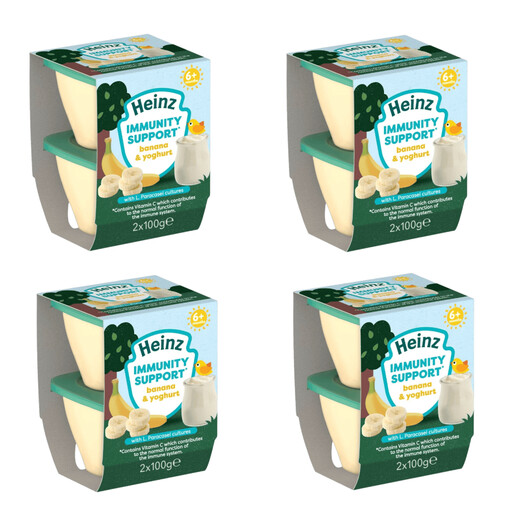
This bundle contains four twin packs of 100g pots, for eight pots in total. They are labelled for babies from 6 months and need a spoon; check the exact pack’s ingredients and plan chilled transport if taking one out.
 No image available
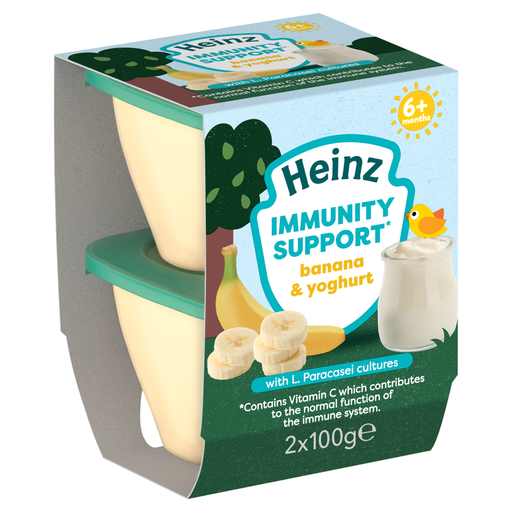
This twin pack has two individual 100g pots labelled for babies from 6 months. A spoon is needed; check whether the portion suits the child and follow the pack’s chilling and after-opening instructions.
If the yoghurt will not be kept in a fridge, use an insulated lunchbox with an ice pack to keep it cool, as the NHS advises. Follow the storage instructions on the exact pack, including any directions for an opened product.
Yes. The NHS gives plain unsweetened yoghurt with sliced banana as a snack example for young children. For an outing, portion it into a suitable container, bring a spoon and keep it cool.
No. Packaging does not establish a product’s sugar content. Compare the current nutrition panels per 100g and per portion, and read the ingredients for added sugar or sweet inclusions.
Check the exact product’s allergen and may-contain statements, then ask the provider about its food rules and storage arrangements. If a child has a diagnosed allergy, follow their individual allergy plan rather than assuming that different yoghurt flavours have the same ingredients.