
24/7 Customer Support

Free returns

Same-day & Next-day Delivery

Quality Guaranteed

Unlock Your Welcome Offers: FREE Delivery | Up to 80% OFF | Free 30-day JoyPlus trial
Download the APP
Yoghurt snacks can cover very different needs: a sweet bite for a lunchbox, a chilled yoghurt drink for commuting, an organic baby yoghurt pouch for weaning or a lickable cat treat for a four-legged companion. The range is convenient, but product names and front-of-pack wording can make comparison difficult.
Before adding products to your basket, watch for three common buying pitfalls:
Read the complete ingredient list rather than relying on the product name. A strawberry yoghurt snack may contain a yoghurt-flavoured coating made with sugar, palm fat, whey powder and yoghurt powder, alongside fruit purée and syrups. This is different from plain yoghurt with fresh fruit.
For UK shoppers, check highlighted allergens such as milk, wheat, barley, nuts, peanuts and soya. “Gluten-free” wording should not replace checking the full packaging, particularly where products state that they may contain traces of nuts or peanuts.
For children, follow the age guidance carefully. An organic baby yoghurt pouch may be suitable from 6+ months, but the cap can present a choking hazard. Do not allow a baby to slurp directly from the pouch if the product directions advise serving it in a bowl or on a spoon.
Compare products using the per 100g or per 100ml figures, then check the actual serving. For example, one 18g portion of strawberry or raspberry yoghurt flakes provides 82 kcal, 11.2g of sugar and 2g of saturated fat according to the supplied product information. That can be useful for portion control, but it does not make the snack equivalent to unsweetened yoghurt and fruit.
For drinks, consider the bottle size and energy per 100ml. A 220ml yoghurt smoothie with avocado, kale and chia seeds lists 47 kcal per 100ml, while a fermented yoghurt drink with dried plums lists 45 kcal per 100ml. These figures help with comparison, but sweeteners, fibres and usage warnings should also be considered.
Shelf-stable yoghurt drinks and individually wrapped snacks are practical for work bags and lunchboxes, but still need to be stored according to the label. Check whether a product should be kept in a cool, dry place, refrigerated after opening or consumed immediately.
The intended user matters just as much:
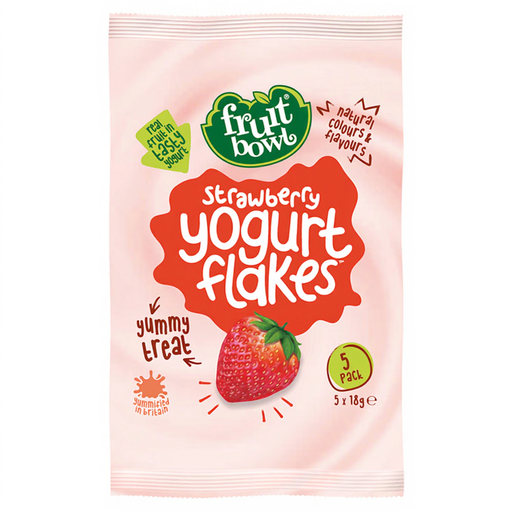
Why This Fits Their Persona: Five individually portioned 18g packs are easy to place in lunchboxes, desk drawers or day bags without opening a large multipack.
The clearly stated portion size makes it easier to see how much sugar and energy each serving contains, rather than judging by the fruit imagery.
Strawberry purée is included in the fruit flakes, and each pack contains 18g. Contains milk and wheat; check the label for may-contain warnings.

Why This Fits Their Persona: Designed for babies from 6+ months, this resealable pouch suits parents introducing smooth textures at home or while travelling.
Its directions specify serving into a bowl or onto a spoon, helping parents avoid treating the pouch as a drink-style product.
Contains 37% organic Greek-style yoghurt and no added sugar or salt. Contains milk; refrigerate unused contents after opening as directed.
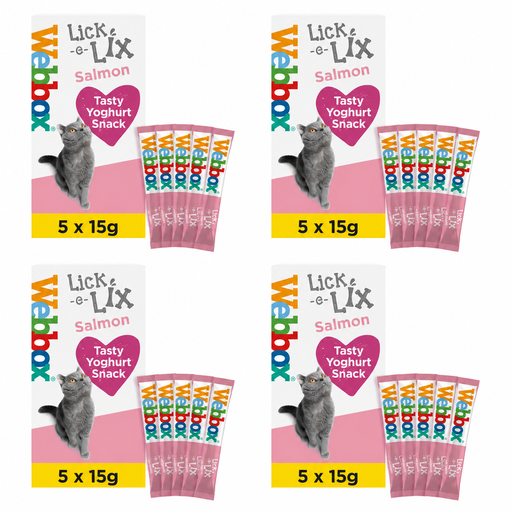
Why This Fits Their Persona: Cat owners buying regularly receive four packs containing 20 individual sachets for rewards, bonding or use as a food topper.
It is clearly labelled as complementary pet food, so it is not presented as a replacement for a complete feline diet.
Includes 20 individual 15g sachets and can be served directly or added to food. Feed in moderation and provide fresh water.
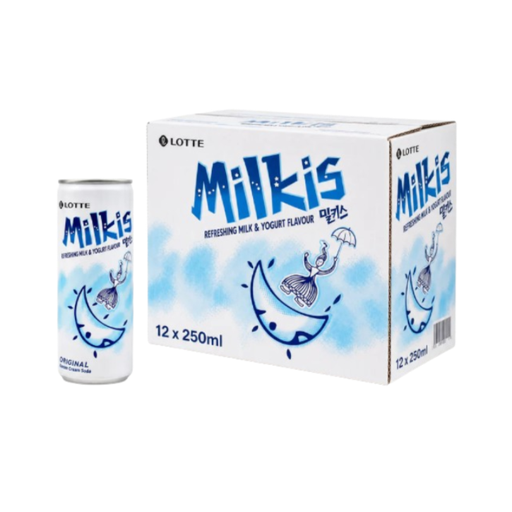
Why This Fits Their Persona: This Korean-style carbonated drink offers a sweet, creamy yoghurt-like flavour in slim 250ml cans for chilled refreshment or serving with spicy food.
The product is presented as a carbonated soft drink, not as plain yoghurt or a low-sugar dairy option, making its role easier to judge.
A 12-can multipack with 250ml cans; contains milk and soya. Chill before serving and check the can for current ingredient information.
We have compiled a complete, real-time list of products that fully satisfy these strict selection criteria and UK safety regulations.
For a fruit-led option, raspberry yoghurt flakes use raspberry purée alongside apple and elderberry ingredients, with five 18g portions per pack. For a lighter drink format, the avocado, kale and chia yoghurt smoothie comes in a 220ml bottle and should be shaken before use.
Not every suitable lunchbox or on-the-go snack needs to contain yoghurt. Sour cream and onion snacks, pretzels and crisps provide savoury alternatives, but they can be higher in salt or saturated fat. Compare the serving figures before choosing between rice crackers, sour cream and onion crackers, sour cream and chive pretzels or a 40g multipack crisp portion.
Cat owners can also compare salmon, chicken, liver sausage, cat grass and cheese yoghurt treat sachets. These are lickable cat treats, not human yoghurt snacks. Check the minimum age, calorie information, opening instructions and daily feeding limit on each product.
Individually wrapped fruit flakes, shelf-stable drinks and unopened pouches can be convenient lunchbox snacks. Check storage requirements, allergens and age suitability first. Products needing refrigeration may require an insulated lunch bag and an ice pack.
No. Yoghurt drinks vary widely in dairy content, sugar, sweeteners, fruit preparation and added fibres. Compare the ingredient list and nutrition panel rather than assuming that a fermented yoghurt drink or yoghurt smoothie has the same composition as plain yoghurt.
Follow the label. Dry snacks generally need a cool, dry place and should be resealed. Opened baby pouches may need refrigeration and use within a stated period. Opened cat treats should be served immediately or stored and discarded according to the feeding instructions. Always check the packaging for the current storage and best-before guidance.