
24/7 Customer Support

Free returns

Same-day & Next-day Delivery

Quality Guaranteed

Unlock Your Welcome Offers: FREE Delivery | Up to 80% OFF | Free 30-day JoyPlus trial
Download the APP
Yoghurt snacks cover a surprisingly broad range: sweet fruit bites, probiotic yoghurt sweets, chilled-style baby foods, fermented yoghurt drinks and lickable cat treats. The right choice depends less on attractive packaging and more on ingredients, portion size, storage and who will be eating it.
Marketing can make these products seem healthier or more versatile than they are. A yoghurt flavour does not always mean a product contains much yoghurt, while “probiotic” does not automatically make a sugary sweet suitable for everyday consumption. Use the checks below to compare products more confidently and avoid paying for features that do not match your needs.
Some coated snacks contain a yoghurt-flavoured coating rather than a substantial amount of yoghurt. For example, Fruit Bowl Yoghurt Flakes contain a coating made with whey powder and yoghurt powder, while the fruit centre includes purées, syrups and sugar. They can be enjoyable yoghurt-coated fruit snacks, but they should be treated as sweet snacks rather than a direct replacement for plain yoghurt.
Similarly, yoghurt-flavoured sweets may contain only a small percentage of yoghurt flavouring. Always check the ingredient list and the quantitative ingredient declaration where available.
A product containing live cultures or added probiotic ingredients should not be assumed to deliver a particular medical or digestive outcome. Liuh Der Probiotic Candy, for instance, lists Bacillus Coagulans, but it also contains 55g of sugars per 100g and includes a warning that it may have an adverse effect on activity and attention in children.
Look at the complete nutritional panel, intended use and age guidance rather than relying on a single front-of-pack term.
Baby yoghurt pouches and baby yoghurt pots are designed for specific stages, but they still require careful serving. Check the minimum age, milk ingredients and preparation guidance. Ella’s Kitchen states that its pouch is suitable from 6+ months, should be squeezed into a bowl or onto a spoon and should not be used for slurping directly from the pouch.
For pet products, yoghurt-style treats are complementary pet food, not complete meals. Cats may also react poorly to certain ingredients, so portion guidance and the product label matter.
Use the per 100g or per 100ml figures to compare products fairly, then check the actual portion. Fruit Bowl Strawberry Yoghurt Flakes contain 82 kcal and 11.2g of sugars per 18g serving. Individual wrapping can help with lunchboxes and portion control, but it does not change the nutritional profile.
For adults seeking healthy on-the-go snacks, look beyond “light” or “natural” wording. The LIGHT UP Avocado Kale Chia Seed Milkshake Yoghurt Drink contains 47 kcal per 100ml and no added sugar according to the supplied product information, but it includes sucralose and contains only 5% yoghurt. It is a flavoured drink, not necessarily equivalent to a full meal.
A fermented yoghurt drink may contain yoghurt, fruit juice, fibres and added cultures. LIGHT UP Fermented Yoghurt Drink with Dried Plums lists 10% yoghurt, plum juice and purée, plus Lactobacillus plantarum. It also carries specific guidance stating that excessive consumption may have a laxative effect and that it is not suitable for pregnant women or infants.
For probiotic yoghurt sweets, check whether the product is presented as a confectionery item or a food supplement, and follow the recommended intake on the packaging. Do not use a sweet as a substitute for a varied diet.
Shelf-stable snacks are useful for school bags, commutes and days out, while opened baby products and cat treats usually need quicker use. Ella’s Kitchen advises refrigerating an opened pouch and using it within 24 hours. Webbox Lick-e-Lix treats should be refrigerated after opening and used within the stated period, depending on the variant.
For products requiring refrigeration, consider whether you have reliable cold storage when travelling. For pouches and sachets, inspect the packaging and avoid using damaged, swollen or leaking packs.
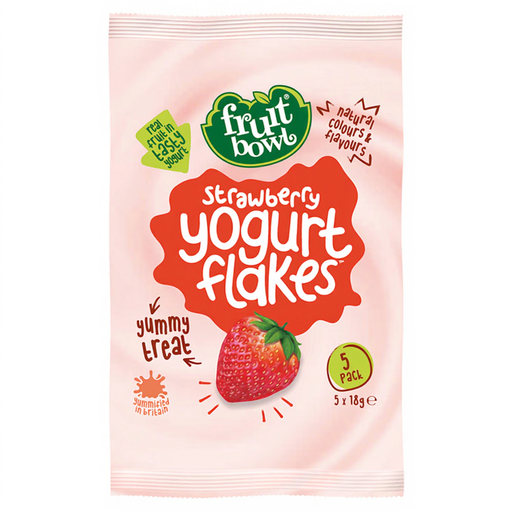
Why This Fits Their Persona: Individually portioned fruit bites are practical for lunchboxes, day trips and after-school snacking without opening a large pack.
The 18g serving information makes portion size and sugar content easier to assess before buying.
Five individually packed 18g portions; contains milk and wheat, with clear allergen information supplied.

Why This Fits Their Persona: Parents introducing new flavours may value an organic baby yoghurt pouch with a smooth texture and convenient resealable format.
It is labelled for 6+ months and lists 37% Greek-style yoghurt, with no added sugar or salt in the supplied details.
Organic ingredients; contains mango, apple, banana and milk; suitable for serving from a spoon or bowl.
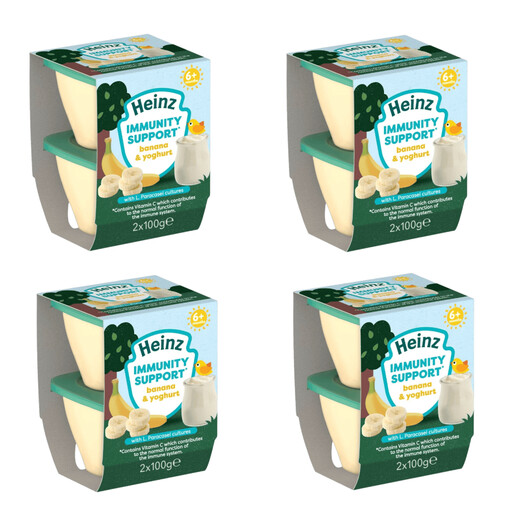
Why This Fits Their Persona: Families who regularly use baby yoghurt pots at home may prefer a larger supply for weaning routines and planned snacks.
The bundle provides eight individual pots, while the 6+ months guidance and 24-hour opened-pot instruction support more controlled use.
100g pots; banana, yoghurt and apple recipe; contains milk and added vitamin C.
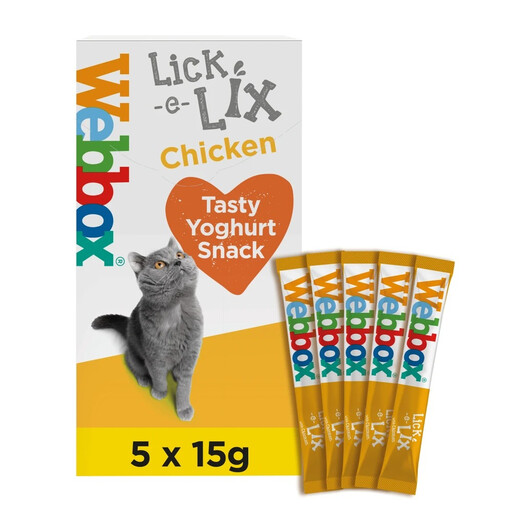
Why This Fits Their Persona: Cat owners wanting lickable cat treats can serve individual sachets directly or use them as a topper for biscuits.
It is clearly identified as complementary pet food, with an age limit of 12 weeks and a stated calorie figure of 8.5 kcal per sachet.
Five 15g sachets; chicken flavour; contains 30% meat and animal derivatives, including 4% chicken.
We have compiled a complete, real-time list of products that fully satisfy these strict selection criteria and UK safety regulations.
Some are labelled for babies from 6+ months, including selected baby yoghurt pouches and pots. Always follow the age guidance, supervise your child while eating and check for milk or other allergens. Do not allow a baby to slurp directly from a pouch unless the manufacturer specifically permits it; serving with a spoon can provide better control.
They are still sweets if sugar is a major ingredient. Check the nutrition panel, portion size and recommended intake. A probiotic ingredient does not remove the need to moderate confectionery, particularly for children.
Human yoghurt snacks are not automatically suitable for cats and may contain excess sugar, fruit, chocolate or unsuitable sweeteners. Choose cat-specific products labelled as complementary pet food, such as lickable yoghurt-style treats, and keep treats within the feeding guidance. Fresh drinking water should always be available.