Families stocking breakfasts and snacks
A natural tub can serve several people and also be used in cooking. Individual pots make it easier to set aside separate servings. Match either format to how often the household will use it.


Choose a natural yoghurt tub if several people will use it for breakfasts, shared bowls or cooking; choose a multipack if separate portions for lunches and snacks are more useful. Check the ingredients, nutrition per 100g and storage instructions for the exact product, particularly whether a tub will be finished after opening. If this is a baby’s first solid-food shop, follow the separate NHS guidance on pasteurised, full-fat, plain or unsweetened yoghurt from around 6 months.
A natural tub can serve several people and also be used in cooking. Individual pots make it easier to set aside separate servings. Match either format to how often the household will use it.
Sealed pots suit allocated portions and different flavour preferences. The reviewed Müller pack has six pots in two fruit varieties, while the reviewed Activia pack has eight pots.
If “first food shop” means a baby’s first solids, use a different selection check from the one for family snacks. NHS guidance identifies pasteurised full-fat yoghurt as suitable from around 6 months and recommends plain or unsweetened varieties as a good choice.
Start with the portions you are likely to use, then compare the exact product’s ingredients and storage directions.
| Priority | What to check | Your needs |
|---|---|---|
| Pack format | Compare tub weight with the number and size of individual pots. Onken Natural is a 1kg tub; the reviewed Müller Corner pack has six 136g pots. | Will several of us share yoghurt regularly, or would separate portions for lunches and snacks be easier to use? |
| Use after opening | Read the refrigeration and opened-pack directions. Tesco Groceries says its 500g Greek-style tub contains five servings and should be consumed within 5 days of opening. | If only one person eats yoghurt occasionally, I may not finish a shared tub within its stated period. |
| Ingredients and flavour | Check the exact flavour’s ingredients and sugars per 100g. Onken lists yoghurt (milk) and no added sugar for its Natural product; the reviewed Müller fruit pots list sugar. | I want to choose between a plain base for meals and a ready-flavoured pot, rather than assuming their recipes are alike. |
| Milk allergen | Read the current ingredients and allergen statement for each product and flavour. The reviewed dairy products identify milk; pack size and organic wording do not establish allergy suitability. | Someone in my household has a milk allergy, so I need to check the particular pot or tub before serving it. |
| Baby’s first solids | If shopping for a baby, follow NHS guidance on readiness at around 6 months. Check for pasteurised, full-fat, plain or unsweetened yoghurt rather than treating a flavoured family pack as equivalent. | This shop is for a baby beginning solids, not simply for family snacks. I need to choose for that use specifically. |
A shared tub may leave leftovers if yoghurt is only eaten occasionally. Tesco Groceries says its 500g Greek-style yoghurt should be consumed within 5 days of opening.
Estimate the servings your household will use within the pack’s opened-period instructions before choosing between a tub and sealed pots.
An unfinished tub can mean avoidable food waste.
The reviewed Müller fruit pots list sugar, while Onken lists yoghurt (milk) and no added sugar for its Natural tub. Rachel’s Organic lists sugar in the reviewed Luscious Fruits multipack.
Check the ingredient list and sugars per 100g for the exact flavour if those differences matter to your choice.
Live cultures do not make a milk-containing yoghurt suitable for someone with a milk allergy. The reviewed Activia multipack is a dairy yoghurt.
Check the current milk-allergen statement for the exact product. Seek individual clinical advice when managing a suspected or diagnosed allergy.
For babies starting solids, NHS guidance identifies pasteurised full-fat yoghurt as suitable from around 6 months and plain or unsweetened varieties as a good choice.
Follow NHS readiness guidance and check the particular yoghurt’s label. Yoghurt does not replace breast milk or first infant formula at the start of weaning.
These examples illustrate different pack formats and recipes; check the individual product rather than assuming every yoghurt from a brand is alike.
The reviewed Corner multipack contains six 136g fruit-compote split pots in strawberry and peach-and-apricot varieties.
Onken Natural is a 1kg shared tub that the brand suggests for breakfasts, smoothies and dips.
The reviewed organic Greek-style yoghurt with honey comes in four 100g pots.
The reviewed range includes a 450g natural Greek-style tub and a four-pot Luscious Fruits multipack. Rachel’s says its yoghurts are made in West Wales using local British milk.
The reviewed fruit-yoghurt multipack contains eight 115g pots. Its Tesco Groceries listing states that it contains live cultures and a blend of five ferments.
The reviewed own-brand options include a 500g Greek-style natural tub and a 1kg Tesco Finest Greek yoghurt.
This yoghurt-containing fruit blend is an option to examine if the first food shop is for a baby beginning solids. It is not a general-purpose family yoghurt tub or multipack, and its recipe should be considered separately from the NHS guidance on plain or unsweetened yoghurt.
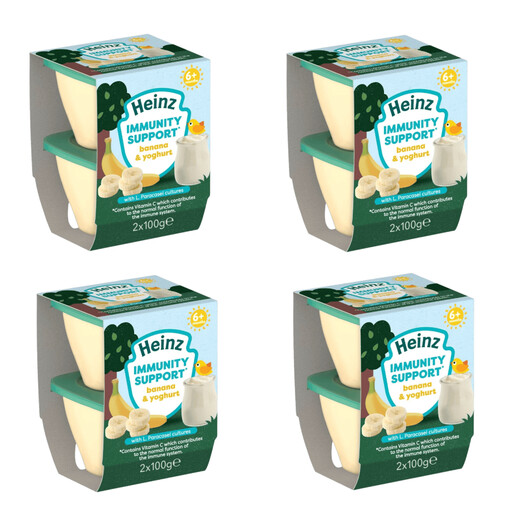 Image unavailable
This banana-and-yoghurt fruit blend is presented for babies aged 6+ months, in a bundle of four twin-packs.
It contains milk and is not plain yoghurt. If buying for a baby starting solids, check the current pack for pasteurisation and whether its recipe meets your intended use; NHS guidance identifies pasteurised full-fat, plain or unsweetened yoghurt as a good choice from around 6 months.
Follow the pack’s directions for opened pots, including refrigerating any unheated remainder and using it within 24 hours.
Choose a natural tub if the household will use it regularly for shared servings or recipes; choose individual pots when allocated lunches and snacks matter more. Check how quickly you will finish a tub: Tesco Groceries says its reviewed 500g Greek-style yoghurt should be consumed within 5 days of opening.
No. The reviewed Yeo Valley product is a Greek-style yoghurt with honey, while the reviewed Rachel’s Organic Luscious Fruits multipack lists organic sugar. Check the ingredients for the exact product if you want an unsweetened recipe.
Follow the refrigeration, use-by and opened-pack instructions on the particular tub or pot. The Food Standards Agency warns that storing food for too long or at the wrong temperature can make it unsafe; the reviewed Tesco tubs specify refrigeration and use within 5 days of opening.
Yes, when the baby is ready for solids at around 6 months: NHS guidance identifies pasteurised full-fat yoghurt as suitable from around that age and plain or unsweetened full-fat yoghurt as a good choice. Breast milk or first infant formula remains important at the start of weaning; check a specific product rather than assuming a flavoured family pot is equivalent.
Read the current ingredient list and milk-allergen statement for the exact product and flavour before serving it. The reviewed dairy yoghurts identify milk; neither an organic label nor live-culture wording establishes that a product is suitable for someone with a milk allergy.