
24/7 Customer Support

Free returns

Same-day & Next-day Delivery

Quality Guaranteed

Unlock Your Welcome Offers: FREE Delivery | Up to 80% OFF | Free 30-day JoyPlus trial
Download the APP
For many UK households, Yorkshire tea bags are a cupboard essential. However, choosing the right pack is not simply a matter of selecting the largest box or the most familiar name. Brew strength, water type, caffeine preferences and cost per cup can all affect whether a purchase suits your routine.
A practical buying decision starts by looking beyond front-of-pack wording and checking the details that influence everyday use.
Black tea bags can vary in blend, strength and intended use. A tea that works well with milk may taste too strong when served plain, while a lighter blend may not provide the character expected from traditional English breakfast tea.
Terms such as “full flavour” or “proper tea” are not technical standards. Consider the product format, preparation guidance and whether you usually add milk or sugar instead.
A 240-bag pack may appear economical, but it is only practical if your household drinks tea regularly. A smaller 80- or 160-bag pack may be more suitable for occasional drinkers, compact kitchens or households that like to rotate between different flavours.
Check the total number of bags and net weight, then compare the price per bag rather than relying on the pack’s headline price.
Water composition affects the taste of brewed tea. People living in hard-water areas may find that some everyday blends produce a less balanced cup. A tea specifically labelled for hard water may be worth considering if your usual brew tastes flat or overly mineral-like.
Similarly, standard black tea contains caffeine. If you want to reduce caffeine intake, look specifically for decaf tea bags rather than assuming a lighter-tasting blend is caffeine-free.
Most products in this category contain black tea, making them suitable for traditional milk tea, breakfast drinks and everyday refreshment. English breakfast tea is generally associated with a robust, familiar profile, but blends can differ between brands such as Taylors of Harrogate, PG Tips and Twinings.
Look for:
Pack size is one of the clearest practical differences between Yorkshire tea bags:
Keep tea in a cool, dry place, away from direct sunlight and strong odours. An airtight container can help protect the flavour, particularly in a busy kitchen.
For a consistent cup, place one bag in a mug or teapot and pour over freshly boiled water. Product instructions may recommend brewing for 2–3 minutes or 3–5 minutes, depending on the blend and preferred strength.
If you live in a hard-water area, consider a filtered kettle or filtered water alongside hard water tea bags. These options address different parts of the preparation process: the tea blend is designed for the water profile, while filtration changes the water itself.
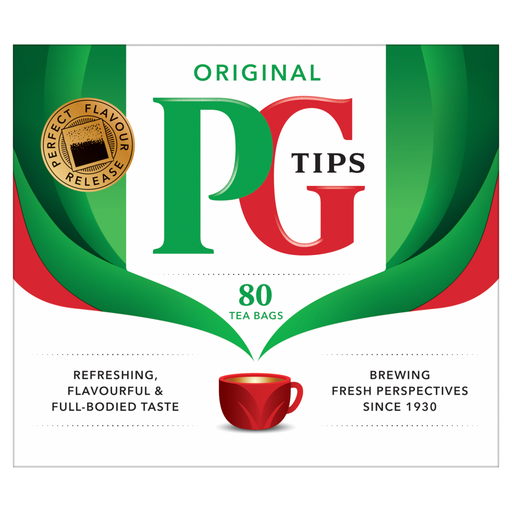
Why This Fits Their Persona: An 80-bag format gives smaller households and occasional drinkers a manageable supply of familiar everyday tea without committing to a large multipack.
The smaller quantity helps avoid overbuying when consumption is limited, while the preparation guidance supports straightforward daily use.
80 tea bags; suitable for serving with or without milk; stored in a cool, dry place.
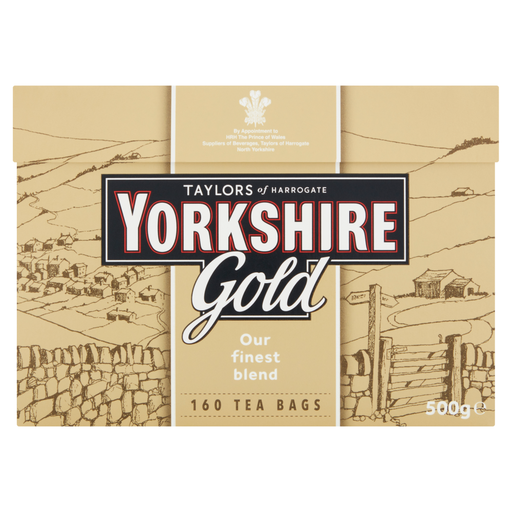
Why This Fits Their Persona: A 160-bag pack suits regular drinkers who want a more considered black tea option for morning cups, breaks and serving visitors.
The clearly stated 160-bag count makes it easier to compare supply with actual household usage instead of judging value from pack size alone.
160 tea bags; 500g net quantity; ingredients list identifies black tea with no declarable allergens.
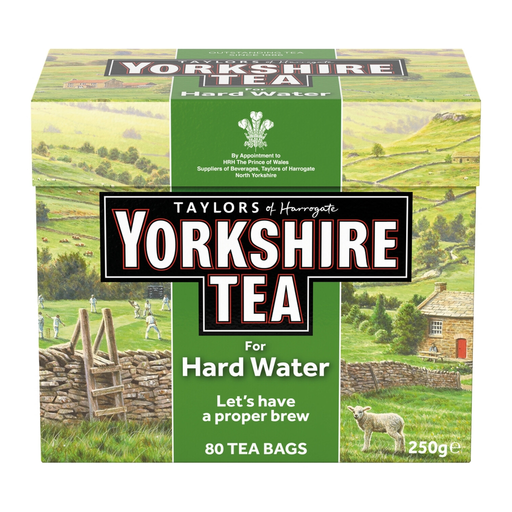
Why This Fits Their Persona: Designed for shoppers who live in hard-water areas and want a tea format intended to work with their local water conditions.
The product is specifically identified for hard water, so buyers do not need to guess whether a standard everyday blend suits their kettle water.
80 tea bags; 250g pack; brewing instructions recommend freshly boiled water and a 3–5 minute infusion.
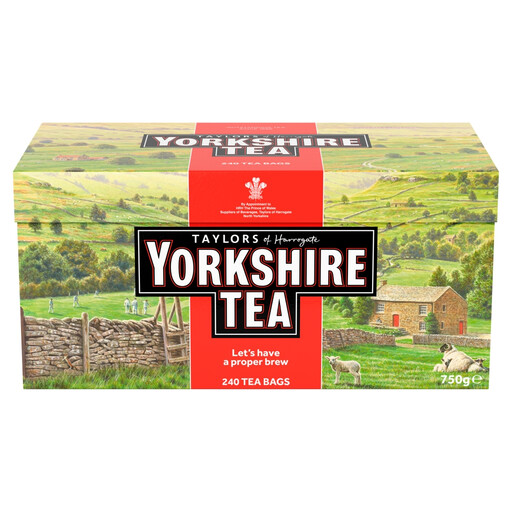
Why This Fits Their Persona: The larger format is suited to families, shared kitchens and offices where multiple cups are prepared throughout the day.
The 240-bag quantity is clearly stated, helping heavy users calculate supply and avoid repeatedly paying for smaller packs.
240 tea bags; 750g net quantity; suitable for vegetarian and vegan diets according to the product information.
We have compiled a complete, real-time list of products that fully satisfy these strict selection criteria and UK safety regulations.
If you want the flavour profile of everyday black tea without choosing a standard caffeinated product, consider Taylors of Harrogate Yorkshire Tea Decaf 250g. The ingredients identify decaffeinated black tea, and the 250g format may suit regular drinkers who want a dedicated decaf option.
Other familiar choices include Twinings English Breakfast tea, available in an 80-bag, 200g format, and PG Tips tea bags in an 80-bag, 232g pack. Compare ingredients, pack size and serving preferences rather than assuming one brand’s blend will suit every household.
Tea bags generally carry a best-before date printed on the packaging. Store them in a cool, dry place away from sunlight and strong odours. A larger pack is sensible only if your household can use it within a reasonable period and has suitable dry storage.
Some products are specifically labelled for hard water, while standard Yorkshire tea bags are not necessarily designed for that purpose. If your local water affects flavour, consider a hard-water-specific blend, filtered water or both.
They can offer a lower price per bag, but this depends on the current selling price. Divide the total price by the number of tea bags to compare packs accurately. Also account for storage space and whether you will use the full quantity before the best-before date.