
24/7 Customer Support

Free returns

Same-day & Next-day Delivery

Quality Guaranteed

Unlock Your Welcome Offers: FREE Delivery | Up to 80% OFF | Free 30-day JoyPlus trial
Download the APP
Mochi ice cream has become a staple in UK freezers, offering a unique combination of soft, chewy rice dough and a creamy ice cream centre. The Little Moons Yuzu and Lemon Mochi, in particular, has captured attention with its vibrant citrus profile. However, as with any popular food trend, navigating the options to find a quality product can be tricky. Many frozen desserts fall short, leading to disappointment. Before you decide, it's worth knowing about a few common pitfalls.
To ensure you get the experience you're looking for, focus on a few key details on the product label. These non-negotiable points separate a satisfying treat from a freezer-aisle letdown.
The ingredients list is the most reliable source of information. For a genuine yuzu and lemon dessert, look for yuzu puree and lemon puree high up on the list. This indicates that the flavour comes from real fruit, not just artificial additives.
For those seeking a vegan mochi ice cream, it's crucial to check the full ingredients. Confirm that the base is plant-derived, such as coconut milk, and that there are no hidden milk products like whey or casein. Pay attention to allergen warnings, which will state if the product "may contain" traces of milk, nuts or other allergens due to shared production facilities. This is essential for anyone with allergies or strict dietary preferences.
The quality of the mochi dough itself is paramount. It should be made from glutinous rice flour, which gives it its characteristic soft and chewy texture. A well-made mochi shouldn't be tough or overly sticky. Most brands, including Little Moons, recommend letting the mochi sit at room temperature for about five minutes before eating. This small step makes a significant difference, allowing the dough to soften and the dairy-free ice cream flavour to become more pronounced.
While mochi is an indulgent treat, it's helpful to be aware of the nutritional content. As they are naturally portion-controlled, they can be a convenient way to manage dessert servings. Checking the sugar content per piece can help you make an informed choice that aligns with your dietary goals, especially when comparing different brands or flavours of Japanese dessert.
Instead of a one-size-fits-all approach, we've matched a few noteworthy options to different preferences.
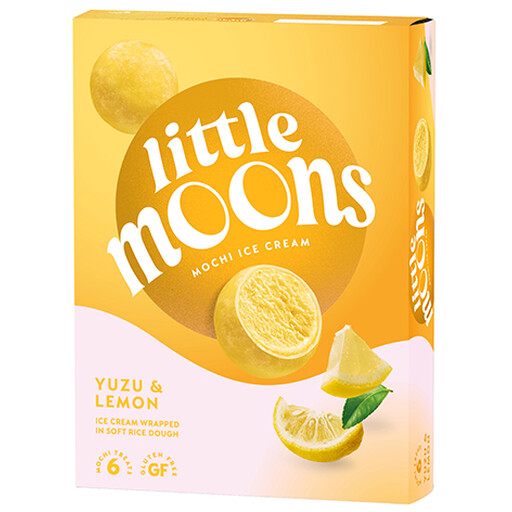
Why This Fits Their Persona: This is the specific, sought-after flavour for those who follow food trends and want a premium, plant-based treat. It's perfect for personal indulgence or sharing at social gatherings.
The ingredients list confirms the use of yuzu puree (3.6%) and lemon puree (1.8%), ensuring an authentic, zesty flavour that avoids the artificial taste pitfall.
It is explicitly vegan, using a coconut milk base. The flavour is a well-regarded balance of tart citrus and creamy sweetness.
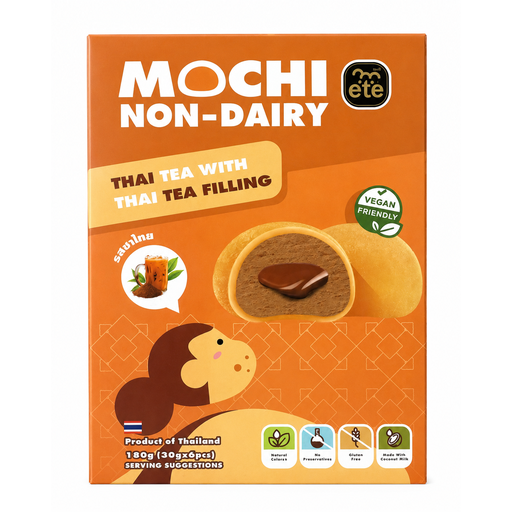
Why This Fits Their Persona: For those who love the mochi format but are eager to try flavours beyond the usual fruit or chocolate. This offers an authentic taste of a popular Southeast Asian beverage.
This product avoids flavour disappointment by using real Thai Tea Extract in its coconut milk base, delivering the distinct aromatic and spiced notes expected from Thai tea.
It is a dairy-free and vegan-friendly option that provides a unique flavour profile, combining creamy coconut with aromatic tea for a refreshing alternative to fruit-based mochi.
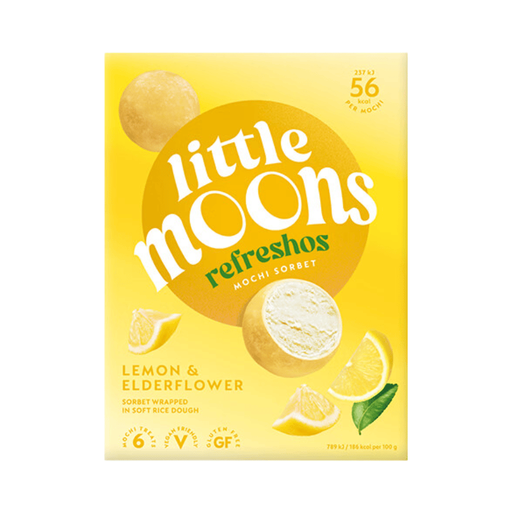
Why This Fits Their Persona: Ideal for someone who enjoys sharp, refreshing citrus flavours but prefers a lighter texture. The sorbet filling offers a different experience from creamy ice cream.
This product avoids the texture pitfall of icy fillings by offering a smooth sorbet. It also uses real lemon juice (5.3%) and elderflower extract for a bright, authentic taste.
This is a gluten-free and vegan option that provides a lighter, more sorbet-like experience. The combination of lemon and elderflower is a classic British-inspired pairing.
We have compiled a complete, real-time list of products that fully satisfy these strict selection criteria and UK safety regulations.
For the intended texture, it is recommended to take the mochi out of the freezer and let it stand for around 5 minutes at room temperature. This allows the outer rice dough to soften to its signature chewy consistency and helps the ice cream flavour to develop.
Yes, the Little Moons Yuzu and Lemon Mochi Ice Cream is a vegan product. The ingredients list confirms it uses a coconut milk base instead of dairy. However, always check the "Allergy Information" on the packaging, as products may be made in a factory that handles other allergens like milk, nuts and peanuts.
You can buy Little Moons online from various grocery retailers. For specific flavours like the Yuzu and Lemon, or to explore other citrus mochi and vegan mochi ice cream options, you can browse dedicated online stores that specialise in world foods and frozen desserts.