
24/7 Customer Support

Free returns

Same-day & Next-day Delivery

Quality Guaranteed

Unlock Your Welcome Offers: FREE Delivery | Up to 80% OFF | Free 30-day JoyPlus trial
Download the APP
A household insect problem rarely needs the same treatment twice. Ants following a kitchen skirting board, silverfish in a bathroom cupboard and moths in a wardrobe each require a different application method. Choosing a product simply because it promises “total control” can leave you with the wrong formula, insufficient coverage or unsuitable indoor-use instructions.
As the Joybuy Product Recommendation Officer, I focus on the practical details behind the packaging. Here are the main traps to avoid before buying a Zero In insect killer, followed by our top recommendations for common UK homes, rented properties, lofts and outbuildings.
A product may mention ants, flies, mites and moths on the label, but that does not mean it is suitable for every surface or room. A powder designed for cracks and crevices is not automatically appropriate for mattresses, food-preparation areas or soft furnishings. Likewise, a flying insect spray may offer quick knockdown without providing long-lasting protection.
Always match the product to:
A low-priced household insect killer may be economical for a cupboard or windowsill but poor value for a loft or garage. Check the stated coverage before buying. For example, a 150g crawling insect powder is listed to treat up to 15 square metres, while larger ant powders cover wider areas.
For sprays and bombs, check the room volume, number of treatments or duration of protection. A product with a clearly stated coverage figure is easier to compare than vague claims such as “whole home”.
Natural pyrethrins and plant-based ingredients can be useful preferences for some households, but they still require careful handling. “Natural” does not mean suitable for direct application to pets, food, children’s toys or every type of fabric.
Biocides should always be used according to the packaging. Keep people and animals away from treated areas where instructed, ventilate rooms properly and prevent products entering drains or waterways.
Look for wording that identifies the target pest and, where relevant, its eggs and larvae. This matters for products such as a bed bug killer, clothes moth killer, carpet beetle killer or flea killer spray, where visible adult insects may not be the only stage present.
For flying pests, consider whether you need:
Powders are useful for dry cracks, crevices, insect runs and hard-to-reach areas. A precision puffer can help apply a controlled amount along skirting boards or behind appliances. However, powders should not be scattered where they could contaminate food, pet bowls or water.
Sprays are more suitable for selected hard and soft furnishings when the label allows it. Check exclusions carefully: the Zero In clothes moth spray, for example, is not intended for direct application to clothes, fabrics or pet bedding.
The active ingredient helps explain how the product should be handled. The supplied range includes products containing permethrin, cypermethrin, prallethrin, tetramethrin and natural pyrethrins.
Protection periods vary by product and surface. Some treatments list protection for several weeks, while the mosquito refill is specified for up to 360 hours, or 45 nights at eight hours per night, when used with the compatible diffuser.
For any aerosol, powder, spray or fumigator, read the full UK label before use. Check whether the product is for indoor pest control, outdoor pest control or both, and follow instructions about ventilation, room evacuation and storage.
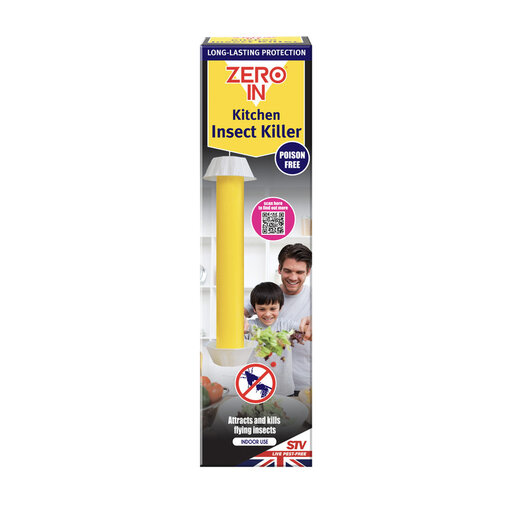
Why This Fits Their Persona: A simple option for renters and homeowners dealing with occasional flies in kitchens, conservatories, greenhouses or living areas.
It uses a long-lasting adhesive surface rather than requiring repeated aerosol application. The cardboard cover also keeps trapped insects out of direct view.
Hanging hook or lay-flat setup; 26cm length; intended to last through the summer season.
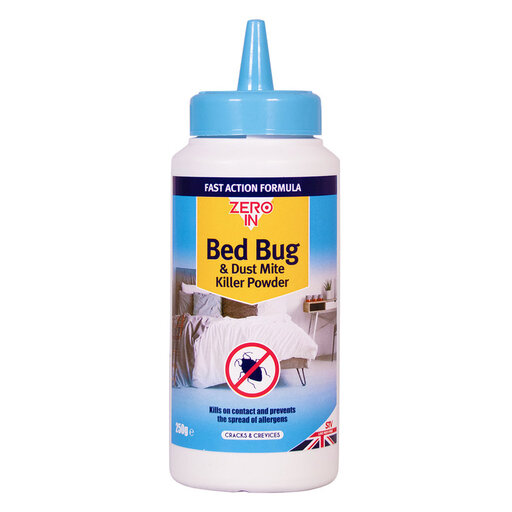
Why This Fits Their Persona: Suitable for shoppers seeking a targeted, low-odour treatment for mattresses, furniture and difficult cracks around sleeping areas.
The puffer and dip-tube system is designed for more controlled application than loose scattering, while the powder can be vacuumed away as directed.
Contains natural pyrethrins; designed for adult and juvenile stages; no unpleasant smell is specified.
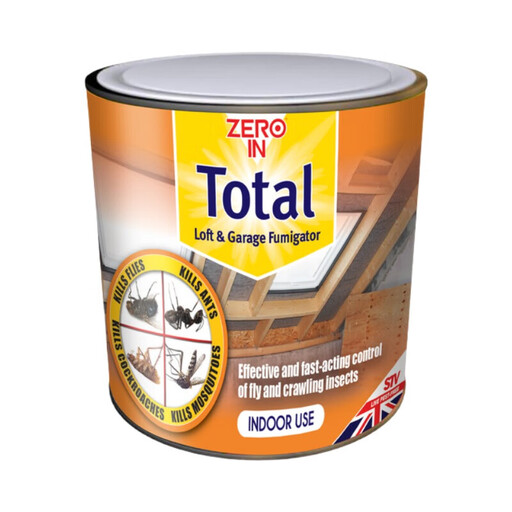
Why This Fits Their Persona: Designed for lofts, garages, attics and indoor storage spaces where insects may be difficult to reach with a targeted spray.
It is selected by area rather than just by pest, helping distribute treatment through an enclosed storage space. It is not intended for wet-cleaned kitchens or bathrooms.
Ready-to-use smoke generator; intended for crawling insects, house flies and mosquitoes; suitable for inaccessible areas.
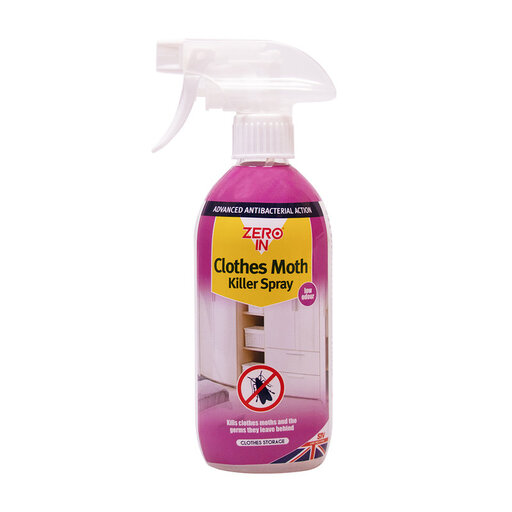
Why This Fits Their Persona: A practical match for wardrobes, drawers and cupboards where clothes moths and larvae are the main concern.
The instructions distinguish between treating storage surfaces and spraying clothes directly, reducing the risk of using the product on an unsuitable material.
500ml water-based, solvent-free formula; intended to address clothes moths, larvae and eggs on permitted surfaces.
We have compiled a complete, real-time list of products that fully satisfy these strict selection criteria and UK safety regulations.
Before applying any crawling insect killer, silverfish killer, ant killer powder or aerosol:
The duration depends on the formulation, surface and product instructions. The silverfish powder is listed for protection of up to several weeks, while the mosquito plug-in refill lasts up to 45 nights when used for eight hours per night. Always use the period stated on the current packaging.
The Zero In loft and garage fumigator is specified for indoor areas that are not subject to wet cleaning, such as lofts, garages and storage areas. It should not be selected for kitchens or bathrooms where wet cleaning takes place. Check the label before treating any room.
Choose a product specifically labelled for the pest and the surfaces involved. A flea killer spray is designed for permitted soft furnishings, rugs and pet bedding areas, but not for direct use on animals. Bed bug products may be powders, sprays or bombs, each with different room, surface and ventilation requirements. For persistent or extensive infestations, follow local guidance and consider professional pest control.