
24/7 Customer Support

Free returns

Same-day & Next-day Delivery

Quality Guaranteed

Unlock Your Welcome Offers: FREE Delivery | Up to 80% OFF | Free 30-day JoyPlus trial
Download the APP
A spider in the bath, moths in a wardrobe or fungus gnats around houseplants can quickly turn into an expensive shopping problem. Search for Zero In pest control products and you will find powders, traps, sprays, fumigators and plant treatments, each designed for a different situation.
The main risk is not simply buying an ineffective product. It is choosing something unsuitable for the pest, room, surface or household. This guide explains the practical details worth checking before you buy, with product recommendations matched to different UK homes and usage needs.
A product described as suitable for many insects may sound convenient, but pests behave differently. A crawling insect powder will not replace a fly paper, while a houseplant sticky trap is not designed for a wasp nest. Identify the pest first, then select indoor pest control or outdoor pest control for the correct location.
Some products catch insects or indicate activity without treating the source. Bed bug interceptor traps, for example, are designed to monitor and help prevent bed bugs reaching furniture. They do not replace a full treatment where an infestation is established. Similarly, fungus gnat traps catch adult insects, while a pot-top barrier is intended to reduce emergence from compost.
Chemical-based insect control must be used exactly as stated on the packaging. Check whether it is approved for amateur use, where it can be applied, how much area it covers and whether people, pets or food must be removed. Do not assume that a product suitable for a garage can be used on kitchen worktops, bedding or pet areas.
Always read the current label and safety instructions before use. UK households should also check storage, ventilation, disposal and re-entry guidance for sprays, powders and fumigators.
Look for a product that names the pest you are dealing with: carpet beetles, clothes moths, silverfish, ants, fleas, flies, wasps or fungus gnats. Some products also mention larvae or eggs, but this should be confirmed on the label rather than assumed.
For clothing pests, compare a targeted moth spray with a carpet beetle and moth powder. For ants, an ant killer powder may suit cracks, paths and edges, while a trap or bait may be more appropriate where loose powder is unsuitable.
Decide whether the treatment is for a bedroom, loft, garage, kitchen, conservatory, garden or houseplant. Indoor and outdoor instructions can differ considerably.
For example:
A low purchase price may not represent the lowest overall cost. Compare the stated treatment area, number of applications and replacement parts. The Silverfish and Crawling Insect Killer Powder is listed as treating up to 15 square metres, while the Ant Killer Powder is listed for up to 45 square metres, subject to the product instructions and surface.
Also check whether a product is reusable. The Bed Bug Interceptor Traps can be rinsed with warm soapy water and reused, whereas adhesive plant traps and fly papers are disposable. A flea killer unit may require replacement bulbs and sticky discs, so include refill costs in your comparison.
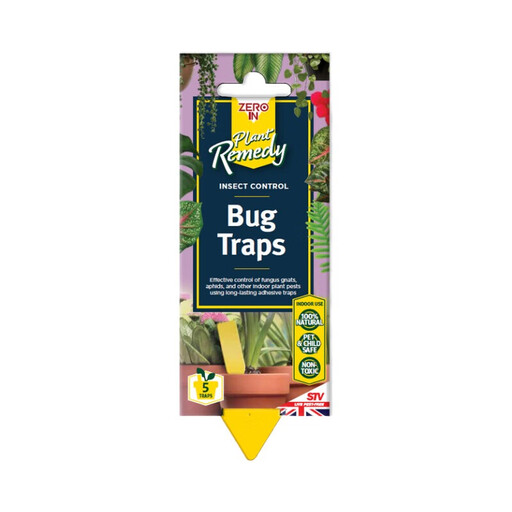
Why This Fits Their Persona: A straightforward choice for renters, new plant owners and households wanting low-cost houseplant pest control without sprays or powders.
It is clearly positioned as a sticky trap rather than a whole-room insecticide, so expectations are easier to set.
Five water-resistant, double-sided traps; odourless, insecticide-free and designed for fungus gnats and other sap-sucking pests.
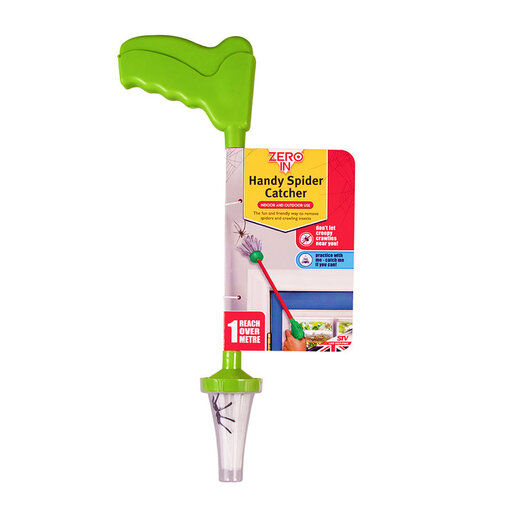
Why This Fits Their Persona: Suitable for families and anyone preferring humane pest control for spiders, moths and daddy-long-legs inside the home.
It avoids chemical exposure and does not pretend to treat an infestation; it is a physical removal tool.
Handle reaches over one metre; gentle bristles are designed to catch insects without direct contact.
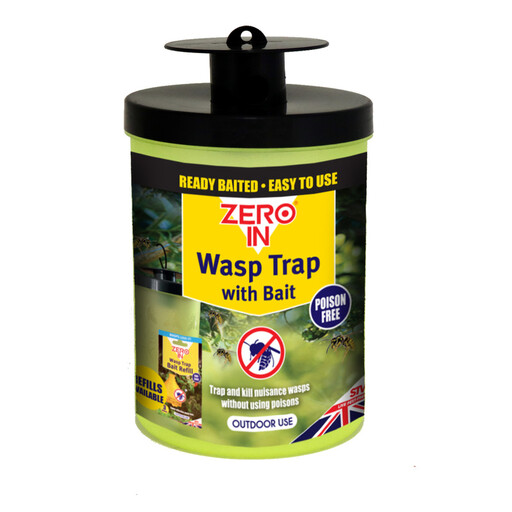
Why This Fits Their Persona: A practical outdoor option for gardens, patios and entertaining areas where nuisance wasps are the main concern.
It is a reusable outdoor trap, not a nest treatment, so it should not be selected when a nest requires direct control.
Uses supplied bait mixed with water; removable lid supports emptying, cleaning and reuse; poison-free design.
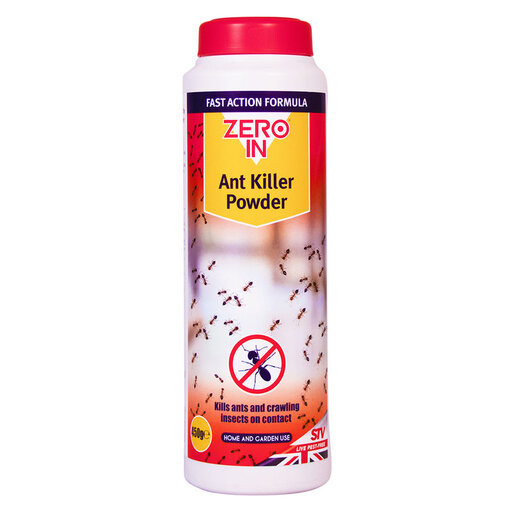
Why This Fits Their Persona: A larger-format treatment for homeowners managing recurring ant activity across indoor edges, outdoor paths or garden areas.
The stated area coverage helps buyers compare quantity rather than choosing a smaller pack based only on its shelf price.
450g puffer pack; listed coverage of up to 45 square metres and control lasting up to six weeks, depending on conditions.
We have compiled a complete, real-time list of products that fully satisfy these strict selection criteria and UK safety regulations.
For wardrobe and textile storage, the Zero In Antibacterial Clothes Moth Killer Spray is a water-based surface treatment for wardrobes, cupboards and drawers. It must not be applied directly to clothes, fabrics or pet bedding, so read the label carefully.
The Carpet Beetle and Moth Killer Powder contains natural pyrethrins and uses a puffer pack for crack and crevice application. For silverfish and similar crawling insects, the Silverfish and Crawling Insect Killer Powder is listed for precision treatment and up to 15 square metres.
For flies, Zero In Fly Papers FSC 8 Pack provides hanging fly papers with a natural fruit scent and FSC-certified paper content. For larger indoor areas such as lofts and garages, the Total Loft and Garage Fumigator is a ready-to-use smoke generator; remove people, pets and any items specified by the instructions before treatment.
Those seeking chemical-free insect control can consider Bed Bug Interceptor Traps, the Handy Spider Catcher, plant sticky traps or the reusable Wasp Trap with Bait. For natural houseplant pest control, Gnat Barrier Granules use pumice as a pot-top covering layer and are listed as non-toxic, but they should still be used according to the product directions.
Some are, but suitability depends on the individual product. Check the packaging for approved rooms, surfaces, ventilation and re-entry instructions. A product for a loft or garage may not be appropriate for a kitchen, bedroom or directly on fabrics.
Lifespan varies by product and conditions. The Ant Killer Powder is listed for up to six weeks, while the Silverfish Powder description gives a duration of up to six weeks in one specification and up to 12 weeks in another; check the packaging supplied with your purchase. Adhesive traps should be replaced when full or no longer sticky, and reusable traps should be cleaned as directed.
That depends on the size and persistence of the problem. Traps usually have a lower initial commitment and may avoid chemical treatments, but they require replacement pads, bait or disposal. Powders and sprays can cover a larger area, although you should calculate cost per treatment and follow all label restrictions before buying.