Adults looking to reduce sugar
If you want fizz with a quick breakfast but not a regular sugary cola, compare sugars per can or bottle. Then check caffeine separately: a zero-sugar label does not answer both questions.


For a fizzy drink alongside a quick breakfast, decide whether you want to avoid sugar, caffeine or both: Pepsi Max Caffeine-Free is a cola option for both priorities, while Coca-Cola Zero Sugar contains caffeine. Fruit-flavoured drinks need their own label check; caffeine-free does not necessarily mean sugar-free. Joybuy lists 35g sugars in a 330ml can of Coca-Cola Original Taste, above the NHS guideline of no more than 30g free sugars a day for adults.
If you want fizz with a quick breakfast but not a regular sugary cola, compare sugars per can or bottle. Then check caffeine separately: a zero-sugar label does not answer both questions.
Look for an explicitly caffeine-free variant if you still want a cola-style drink. Coca-Cola Zero Sugar and standard Pepsi Max list caffeine, whereas Pepsi UK describes Pepsi Max Caffeine-Free as having none.
The NHS advises that children avoid sugary fizzy drinks completely. Convenience alone is not a reason to make one the usual breakfast drink.
Start with the amount you would actually drink, then check caffeine and ingredients on the exact variant. If you are choosing for a child, the NHS advice on sugary fizzy drinks changes the decision.
| Priority | What to check | Your needs |
|---|---|---|
| Sugars per drink | Compare sugars per 100ml and per full can or bottle. Joybuy lists 35g sugars per 330ml can of Coca-Cola Original Taste; Coca-Cola GB lists 0g per 100ml for Coca-Cola Zero Sugar. The NHS advises adults to have no more than 30g free sugars a day. | “I’m picking up one drink with breakfast and want to know how much sugar that whole serving contains.” |
| Caffeine | Check the named variant and its ingredients. Coca-Cola Zero Sugar and Pepsi Max list caffeine; Pepsi UK describes Pepsi Max Caffeine-Free as having no caffeine and 0g sugars per 330ml. | “I’d like cola flavour, but I also want to avoid caffeine.” A zero-sugar label alone will not settle that choice. |
| Sweeteners | Read the ingredients and any phenylalanine statement on the pack. Coca-Cola GB and Pepsi UK list aspartame in named zero-sugar colas; GOV.UK guidance specifies the phenylalanine label statement when aspartame is named in the ingredients. | “I want to know which sweeteners are in this particular drink before putting it in my bag.” |
| Flavour and format | Choose between cola, fruit-flavoured fizz and flavoured sparkling water by checking the exact product. Coca-Cola GB describes Fanta Orange as caffeine-free; Tesco describes its Apple & Raspberry sparkling flavoured water as no added sugar and made with sweetener. | “Cola isn’t what I fancy this morning, but I still want something sparkling.” I would check sugar and caffeine on the alternative rather than infer them from its flavour. |
| Children’s drinks | The NHS advises that children avoid sugary fizzy drinks completely. Do not use an adult’s breakfast-time preference as the basis for a child’s drink choice. | “I’m packing breakfast for a child and want a convenient drink without making sugary fizz the default.” |
A full can may contain considerably more than the per-100ml figure suggests at a glance. Joybuy lists 35g sugars in a 330ml can of Coca-Cola Original Taste, above the NHS adult daily free-sugars guideline of 30g.
Compare the sugars figure for the whole can or bottle you intend to drink, especially when choosing a multipack.
Coca-Cola Zero Sugar and Pepsi Max list caffeine, while Pepsi UK identifies Pepsi Max Caffeine-Free as a separate variant.
If you want to avoid caffeine, look for an explicit caffeine-free designation and check the ingredients on the exact pack.
Named zero-sugar colas contain sweeteners including aspartame. GOV.UK guidance specifies a “Contains a source of phenylalanine” statement when aspartame is named in the ingredients.
Read the full ingredients and label statements rather than relying only on the front-of-pack sugar claim.
The NHS advises that children avoid sugary fizzy drinks completely.
Choose a child’s breakfast drink with that guidance in mind, rather than selecting sugary fizz for convenience.
These named drinks illustrate different label choices; a brand name alone does not establish the ingredients of every variant.
Coca-Cola GB lists Original Taste at 10.6g sugars per 100ml and Coca-Cola Zero Sugar at 0g sugars per 100ml.
Pepsi UK lists 0g sugars per 330ml for both Pepsi Max and Pepsi Max Caffeine-Free.
Coca-Cola GB describes Fanta Orange as a caffeine-free, fruit-flavoured fizzy drink.
Tesco lists Sprite Zero Sugar as a lemon-and-lime fizzy drink with no sugar.
Ocado describes Dr Pepper Zero as a sparkling fruit-flavour soft drink with sweeteners and zero sugar.
Tesco describes its Apple & Raspberry sparkling flavoured water as carbonated, with no added sugar and with sweetener.
These canned options cover caffeine-free cola, zero-sugar cola and fruit-flavoured fizz for a drink alongside breakfast. Compare each pack’s sugar, caffeine and ingredient information for the choice that matters to you.
 No image available
A cola option if you want to avoid both sugar and caffeine with breakfast. Pepsi UK lists 0g sugars per 330ml for this caffeine-free variant. Check the current can for its sweeteners and phenylalanine statement.
 No image available
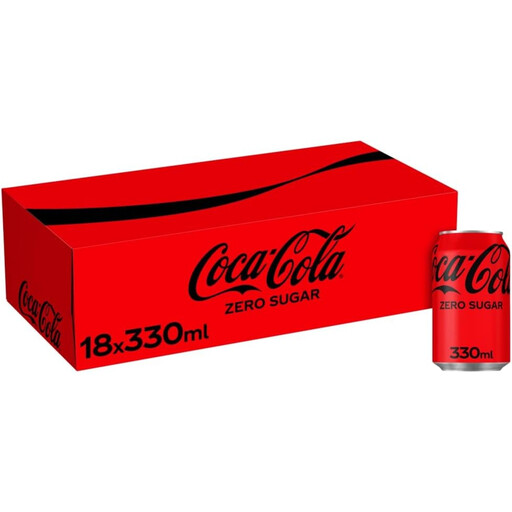
A zero-sugar cola for someone who accepts caffeine: Joybuy lists 0g sugars per 330ml, and the ingredients include caffeine and sweeteners. Check the current pack’s full ingredient and phenylalanine information if these affect your choice.
 No image available
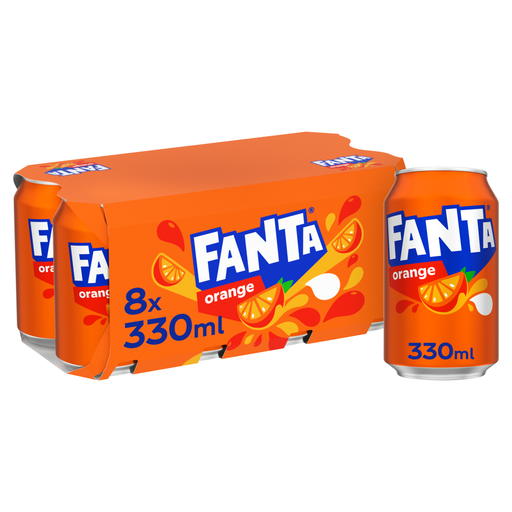
An orange-flavoured choice instead of cola. The Joybuy listing reports 15g sugars per 330ml can, so it is not a zero-sugar option. Coca-Cola GB describes Fanta Orange as caffeine-free; check that detail on the exact pack.
 No image available
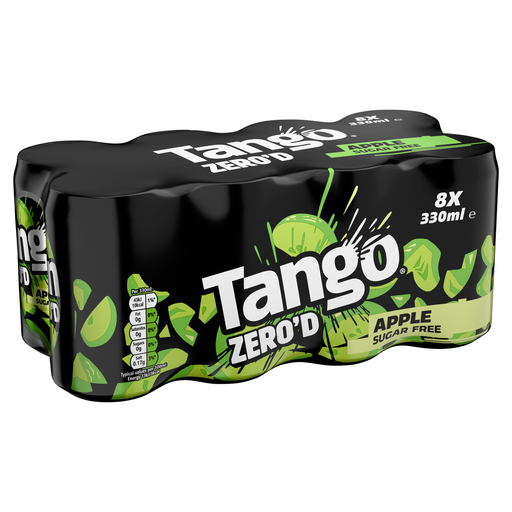
An apple-flavoured, sugar-free fizzy drink in individual cans. Check the exact pack for caffeine if avoiding it matters to you, and review the ingredient list for sweeteners.
 No image available
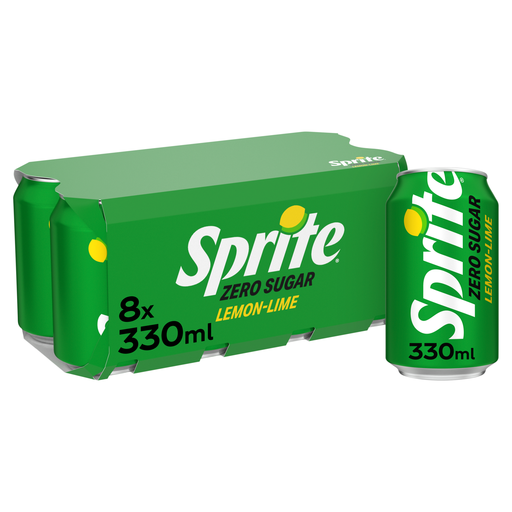
A lemon-and-lime option if you want sugar-free fizz rather than cola. If caffeine avoidance matters, check the exact pack; also read its sweetener ingredients and phenylalanine statement.
No: choose it, if you want one, as a drink alongside food rather than as breakfast itself. For routine drinking, the NHS recommends swapping sugary drinks for diet, sugar-free or no-added-sugar alternatives.
Check sugars for the full can or bottle, then look for caffeine in the ingredients or an explicit caffeine-free designation. If you are considering a zero-sugar drink, read its sweeteners and any phenylalanine statement too.
Not necessarily. Coca-Cola Zero Sugar and Pepsi Max list caffeine, while Pepsi UK describes Pepsi Max Caffeine-Free as having none. Choose the named caffeine-free variant and check its current label if avoiding caffeine is important.
It is a label statement associated with aspartame: GOV.UK guidance specifies it when aspartame is named in the ingredients. Read the statement and ingredient list on the exact zero-sugar drink you are considering.
The NHS advises that children avoid sugary fizzy drinks completely. Do not make one the routine breakfast choice simply because a can is convenient to carry.