Desk workers planning weekday lunches
Individual cans make it straightforward to set aside a drink for each lunch. Check how many cans you will use and where you will keep the pack before choosing a larger case.


Choose by the drink in each can before choosing a multipack: a zero-sugar cola suits a lunch drink where you want to avoid the sugar in regular cola, while avoiding caffeine calls for a product explicitly labelled caffeine-free. Then pick a can count you can store and expect to use, and compare the current per-can nutrition and ingredients information before buying.
Individual cans make it straightforward to set aside a drink for each lunch. Check how many cans you will use and where you will keep the pack before choosing a larger case.
If sugar in your lunch drink matters, compare the nutrition information for the full 330ml can. Sainsbury’s listings show 0g sugars per can for its 8 x 330ml Coca-Cola Zero Sugar and Pepsi Max examples, compared with 15g for its regular Pepsi example.
Look for an explicitly caffeine-free variant rather than relying on “zero sugar” in the name. The Coca-Cola Zero Sugar and Pepsi Max examples listed by Sainsbury’s include caffeine or caffeine flavouring; Coca-Cola Zero Sugar Zero Caffeine is a separate option.
Start with sugar and caffeine, then choose a pack count that fits your lunches and storage space.
| Priority | What to check | Your needs |
|---|---|---|
| Sugar per can | Compare sugars for the 330ml can, not just per 100ml. Sainsbury’s lists 15g sugars for its regular Pepsi 330ml can and 0g for its 330ml Coca-Cola Zero Sugar and Pepsi Max examples. | If I want to avoid sugar in my lunch cola, I’ll compare the exact variant and serving size rather than rely on the brand name. |
| Caffeine | Check the variant name and ingredients. A zero-sugar label does not establish that a cola is caffeine-free; look for an explicit caffeine-free description if that distinction matters. | I need a caffeine-free drink, so a standard zero-sugar cola is not an automatic substitute. |
| Pack size | Count the 330ml cans and consider storage and likely use. The cited Sainsbury’s examples include six-can own-label and eight-can branded packs; the Joybuy options below include larger packs. | For several desk lunches, I’d rather choose a can count I expect to use than assume a bigger case suits me. |
| Ingredients | Read the current can’s ingredient list and any warnings, particularly when sweeteners or a phenylalanine-source statement matter to you. Check the best-before date on the pack. | Before switching variants, I want to know what is in the exact cans I’m buying. |
Sainsbury’s lists caffeine or caffeine flavouring for its Coca-Cola Zero Sugar and Pepsi Max examples, while Coca-Cola Zero Sugar Zero Caffeine is explicitly caffeine-free.
If you avoid caffeine, check the exact variant name and ingredient list.
Sainsbury’s lists 15g sugars in a 330ml can of regular Pepsi, compared with 0g in its listed 330ml Pepsi Max and Coca-Cola Zero Sugar cans. Those figures apply to the named products, not every cola.
Compare the per-can nutrition panels of the variants you are considering.
“Zero”, “diet” and “caffeine-free” do not answer every question about sugars, caffeine and ingredients. Even within a brand, the variant changes which label details matter.
Compare the exact cans’ nutrition and ingredient information before switching.
The can is the practical place to check the ingredients, warnings, nutrition information and best-before date of the pack you receive.
Use a listing to narrow your choice, then read the pack if a particular detail affects what you can buy or drink.
These examples illustrate different label and pack-size decisions; they are not a list of brands available in the product section below.
Sainsbury’s lists 8 x 330ml multipacks of Coca-Cola Zero Sugar and the separate Coca-Cola Zero Sugar Zero Caffeine variant.
Sainsbury’s lists both Pepsi Max No Sugar and regular Pepsi in 8 x 330ml packs.
Sainsbury’s lists its own-label Cola Zero as a 6 x 330ml low-calorie cola-flavoured drink with sweeteners.
These 330ml-can multipacks offer different can counts and labelled cola variants for desk lunches. Match the variant to your sugar and caffeine preferences, then consider how many cans you will use.
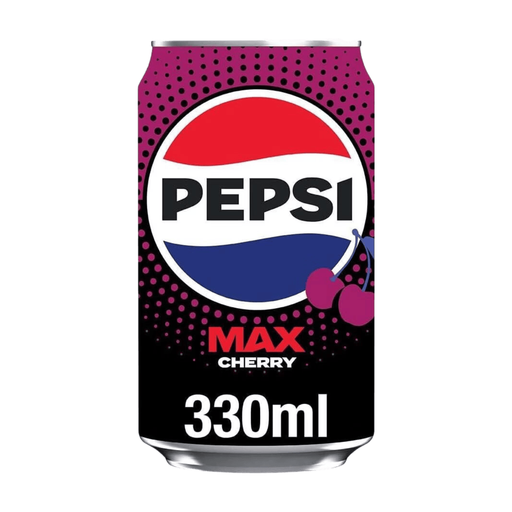 No image available
An eight-can option if you want the Cherry variant for individual desk lunches. Check the current can label for sugars, caffeine, sweeteners and ingredient warnings.
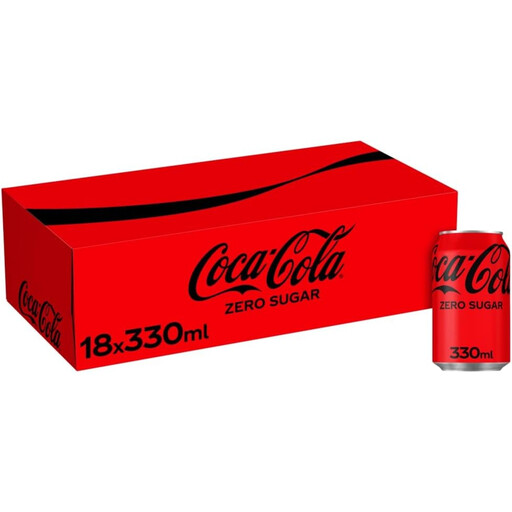 No image available
This 18-can pack suits someone planning more lunches around the same variant, provided there is room to store it. Check the can’s nutrition and ingredients, including its caffeine status.
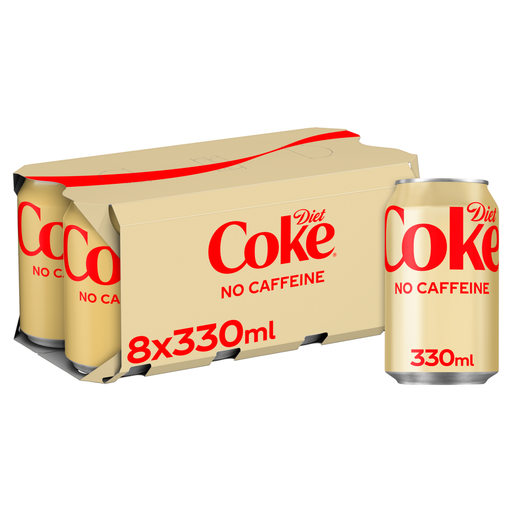 No image available
An eight-can choice when an explicitly caffeine-free variant matters more than keeping to a standard cola recipe. Compare the current can’s sugars, sweeteners and ingredient warnings before choosing it.
 No image available
Joybuy describes this 24-can variant as having no sugar and no caffeine. Consider the storage and likely use of a larger pack, and check the cans for current ingredients and warnings.
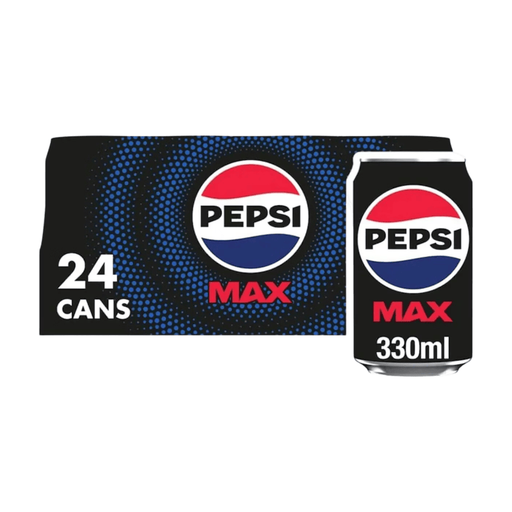 No image available
Joybuy lists 0g sugars per 330ml can for this 24-can Pepsi Max pack. It is a larger supply for repeated lunches; check storage space and the current label if caffeine or ingredients matter to you.
An 8 x 330ml pack gives you eight individual cans, which may suit several lunches or a shared workplace fridge. Check that you have somewhere to keep them and expect to use them before the date on the pack.
No. Sainsbury’s listings for Coca-Cola Zero Sugar and Pepsi Max include caffeine or caffeine flavouring, while Coca-Cola Zero Sugar Zero Caffeine is explicitly caffeine-free. If you avoid caffeine, check the exact variant rather than relying on its sugar description.
Sainsbury’s lists 15g sugars per 330ml can for regular Pepsi and 0g per 330ml can for its Coca-Cola Zero Sugar and Pepsi Max examples. Compare the label of the particular variant and can size you intend to buy.
Read the current ingredient list and warnings on the can before drinking it. The cited zero-sugar examples include sweeteners, and their labels may carry a phenylalanine-source warning; similar-sounding variants should not be treated as having identical ingredients.