Hikers avoiding sugar in cola
If you want a cola-style drink with a hiking snack, check the sugars figure per 100ml on the exact pack. A familiar brand name alone does not identify its zero-sugar variant.


For a cola to pack as an optional hiking snack drink, choose one whose label confirms zero or no sugar, then check its caffeine status. A caffeine-free variant suits someone avoiding caffeine; a standard zero-sugar cola is an option when caffeine is acceptable. Carry water as your main drink: the NHS identifies it as the best way to replace fluids lost through physical activity.
If you want a cola-style drink with a hiking snack, check the sugars figure per 100ml on the exact pack. A familiar brand name alone does not identify its zero-sugar variant.
If caffeine does not suit your plans or preferences, look for a cola specifically labelled caffeine-free as well as zero or no sugar. Zero sugar by itself says nothing about caffeine.
If you are arranging drinks provided by a state-funded school in England, check which school-food requirements apply to the trip and the school's policy. The Department for Education identifies school-food rules separately from retail HFSS promotion rules; a no-sugar label alone does not settle the question.
Start with the sugars figure, then decide whether caffeine is acceptable. Ingredients and the water you plan to carry matter alongside the cola choice.
| Priority | What to check | Your needs |
|---|---|---|
| Sugar | Look for an explicit zero- or no-sugar variant and check sugars per 100ml on its nutrition panel. Do not rely on the brand name alone. | I want cola with my hiking snack, but I am choosing a version labelled with 0g sugars rather than a standard sugared cola. |
| Caffeine | Check the exact variant name and ingredients. Coca-Cola GB lists caffeine flavouring in Coca-Cola Zero Sugar; Pepsi UK lists caffeine in Pepsi MAX. Their named caffeine-free variants are different products. | If I am avoiding caffeine, I need the caffeine-free variant, not just a zero-sugar label. Otherwise, a caffeinated version remains an option. |
| Ingredients | Read the current pack's sweetener list and any phenylalanine-source statement, particularly when either matters to your dietary requirements. | Zero sugar does not mean unsweetened. I want to see the ingredients and warning information for the particular cola I am packing. |
| Water | Plan the water you will carry, especially for a long walk or one where you expect to sweat. The NHS identifies water as the best way to replace fluids lost through physical activity. | Cola would be an optional drink with my snack; I still need water for the walk. |
Zero-sugar colas can differ in caffeine status and still contain sweeteners. The named caffeine-free versions are distinct from their standard counterparts.
Check sugars, caffeine status, ingredients and warning information on the exact variant and pack.
The NHS advises extra fluids after sweating through physical activity and identifies water as the best way to replace lost fluids.
Plan the water you will carry first, then decide whether to add a cola for your snack.
For state-funded schools in England, the Department for Education identifies school-food requirements that are separate from the rules on retail HFSS promotions. A drink's sugar claim alone does not establish whether it meets applicable school-food requirements.
For a school-provided drink on a trip, check the applicable requirements and the school's policy rather than treating retail labelling as permission.
These brand references describe specific cola variants, not every drink sold under either brand.
Coca-Cola GB describes both Coca-Cola Zero Sugar and Coca-Cola Zero Sugar Caffeine Free as having 0g sugars per 100ml.
Pepsi UK describes Pepsi MAX and Pepsi MAX No Caffeine as no-sugar products, each with 0g sugars per 100ml.
These canned Diet Coke, Pepsi MAX and Coca-Cola options include caffeine-free and caffeinated choices for an optional hiking snack drink. Check the label of the pack you choose, and carry water for the walk.
 No image available
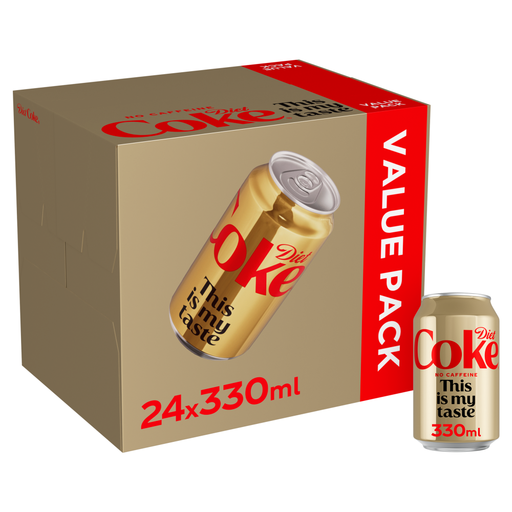
The named no-caffeine variant suits a cola snack when you want to avoid caffeine. The pack contains 24 x 330ml cans; if avoiding sugar is also essential, confirm the sugars figure on the pack you buy. Check its sweeteners and phenylalanine-source statement if relevant to you.
 No image available
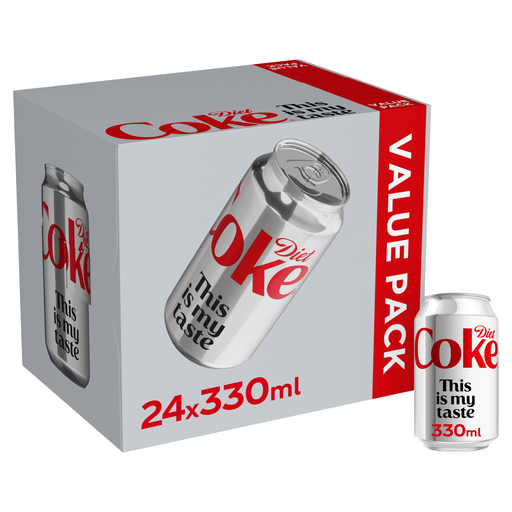
This is a 24 x 330ml can pack to consider only if caffeine is acceptable. For the no-sugar choice, confirm the sugars figure on the current pack; also check its sweeteners and phenylalanine-source statement if relevant to you.
 No image available
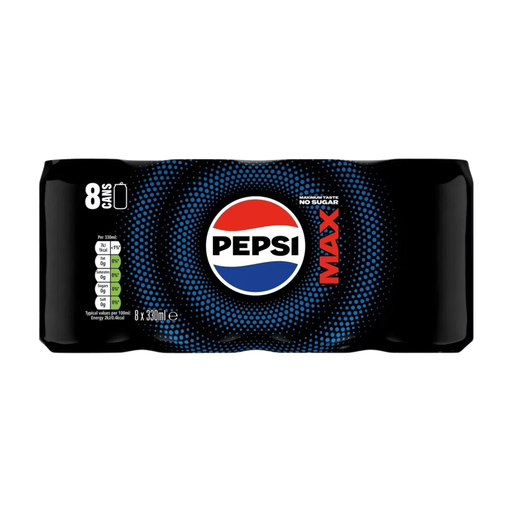
This no-sugar cola is a caffeinated option for someone who accepts caffeine. The pack contains 8 x 330ml cans. Pepsi UK lists caffeine for Pepsi MAX; check the can's ingredients and phenylalanine-source statement if relevant to you.
 No image available
This named caffeine-free variant is an option when you want cola without caffeine; Pepsi UK also describes Pepsi MAX No Caffeine as having no sugar. The pack contains 24 x 330ml cans. Check the current can's sugars figure, ingredients and phenylalanine-source statement.
 No image available
This zero-sugar variant suits a cola snack when caffeine is acceptable: Coca-Cola GB lists caffeine flavouring in Coca-Cola Zero Sugar. The pack contains 24 x 330ml cans. Check the current can's ingredients and phenylalanine-source statement if relevant to you.
Carry water as your main drink and treat cola as optional with a snack. The NHS says you may need more fluids when active for long periods and identifies water as the best way to replace fluids lost through physical activity.
No. Coca-Cola GB lists caffeine flavouring in Coca-Cola Zero Sugar, and Pepsi UK lists caffeine in Pepsi MAX. Their separately named caffeine-free variants offer a different choice; check the exact pack, particularly when choosing a flavoured variant.
Read the ingredients and any phenylalanine-source statement on the pack if either matters to your dietary requirements. Zero-sugar cola can contain sweeteners; it is not the same as unsweetened cola.
No-sugar labelling alone does not establish whether a drink meets applicable school-food requirements. For state-funded schools in England, Department for Education guidance identifies The Requirements for School Food Regulations 2014, which came into force on 1 January 2015; retail HFSS promotion rules address a separate issue. Check which requirements apply to drinks provided on the trip and the school's policy. Do not assume the England framework applies in Scotland, Wales or Northern Ireland.