Who is choosing the drinks?
The choice changes depending on whether cola is an occasional lunch drink, caffeine avoidance is essential, or the household is considering a shared bottle.
Parents planning an occasional lunch treat
A no-added-sugar cola may meet a preference for cola at a family meal, but the sugar claim does not tell you whether it contains caffeine or sweeteners. For children’s usual drinks, Healthier Together NHS recommends water or milk.
Families avoiding caffeine
Look for an explicit caffeine-free claim on the exact variant. ASDA Groceries lists Coca-Cola Zero Sugar Zero Caffeine and Pepsi Max No Caffeine as no-sugar, no-caffeine options; a standard diet or zero-sugar name is not enough to identify a caffeine-free drink.
Shoppers considering own-label cola
Own-label products need the same pack-level check as branded ones. Tesco Diet Cola is labelled no added sugar, but Tesco Groceries lists caffeine and sweeteners in its ingredients, so it does not meet a caffeine-free preference.
What should you check?
Decide first whether this is an occasional cola with lunch or a drink for throughout the day. If cola is the choice, check sugar, caffeine and ingredients on the specific pack rather than treating “diet” or “zero” as a complete description.
| Priority |
What to check |
Your needs |
| Sugar |
Read the no-added-sugar or zero-sugar wording and the sugars line on the exact pack. Compare nutrition figures on the same per-100ml or per-serving basis. |
I want a cola without sugar for an occasional lunch, while keeping a fizzy drink distinct from the child’s usual water or milk. |
| Caffeine |
Look for an explicit caffeine-free or no-caffeine label and check the ingredients. Tesco Groceries lists caffeine in Tesco Diet Cola despite its no-added-sugar label. |
If I am avoiding caffeine for a child, a diet or zero-sugar name on its own will not answer my question. |
| Drinking occasion |
Consider whether the drink will be served with lunch or sipped over a long period. The Scottish Dental Clinical Effectiveness Programme advises against prolonged sipping of drinks containing sugar or acid and recommends water or milk between meals. |
For a drink between meals or during an outing, I would choose water or milk rather than make cola the all-day option. |
| Ingredients |
Read the sweeteners and warning panel, particularly if aspartame or phenylalanine matters to your household. ASDA Groceries lists aspartame and a phenylalanine warning for its Coca-Cola Zero Sugar Zero Caffeine and Pepsi Max No Caffeine examples. |
I need to check the current pack’s ingredients, not just its front-of-pack sugar claim. |
| Pack format |
Compare the can or bottle size with the number of people being served. For Tesco Diet Cola’s 2-litre bottle, Tesco Groceries says to consume it within three days of opening. |
A can makes the amount served at one lunch straightforward to identify; a shared bottle may suit us if we will use it within its stated storage period. |
Relevant brand and own-label examples
These examples illustrate why the exact variant matters. They are product-label references, not a claim that every cola from the same brand has the same ingredients.
Coca-Cola
ASDA Groceries lists Coca-Cola Zero Sugar Zero Caffeine as a no-sugar, no-caffeine variant for shoppers who want both claims stated explicitly.
- Its listed variant states zero sugar and zero caffeine.
- The listed ingredients include aspartame and acesulfame-K, and the product carries a phenylalanine warning. Check other Coca-Cola variants separately.
Pepsi
ASDA Groceries lists Pepsi Max No Caffeine as a no-sugar, no-caffeine variant; the no-caffeine wording distinguishes it from standard Pepsi Max.
- The listed variant explicitly identifies both no sugar and no caffeine.
- Its listed ingredients include aspartame and acesulfame-K, with a phenylalanine warning. Do not assume that standard Pepsi Max is caffeine-free.
Tesco
Tesco Diet Cola is an own-label no-added-sugar example for a household considering a shared bottle when caffeine avoidance is not required.
- Tesco Groceries labels the 2-litre bottle no added sugar.
- Its listed ingredients include caffeine, acesulfame K and sucralose; Tesco advises consuming it within three days of opening.
Cola options on Joybuy
These cans cover two lunch choices: variants labelled caffeine-free and standard diet or zero-sugar colas to consider only when caffeine is acceptable. For children’s usual drinks, Healthier Together NHS recommends water or milk.
 No image available
Pepsi Max Caffeine Free 24 × 330ml
A caffeine-free cola option for an occasional lunch when avoiding caffeine matters. Joybuy’s listing identifies a 24-pack of 330ml cans; check the current pack’s sugar line, sweeteners and phenylalanine warning before serving.
View on Joybuy
 No image available
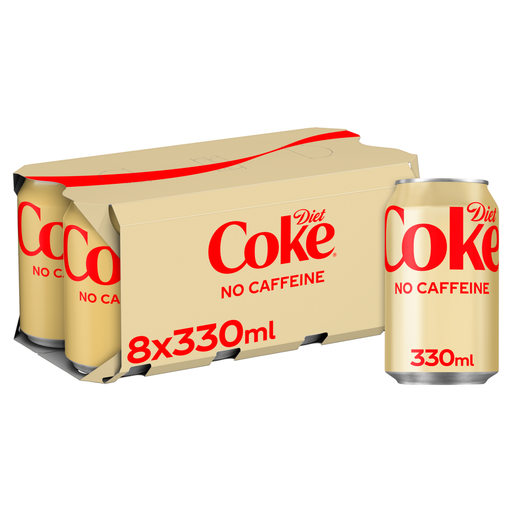
Coke Diet Caffeine Free 8 × 330ml
The caffeine-free wording makes this variant worth checking for a lunch where caffeine avoidance matters. The pack contains eight 330ml cans; confirm the sugars line, ingredients and any relevant warning on the cans you receive.
View on Joybuy
 No image available
Pepsi Max 24 × 330ml
Consider standard Pepsi Max only if caffeine is acceptable: this is not the No Caffeine variant. The pack contains 24 cans of 330ml; check the current sugars line, caffeine information, sweeteners and any relevant warning.
View on Joybuy
 No image available
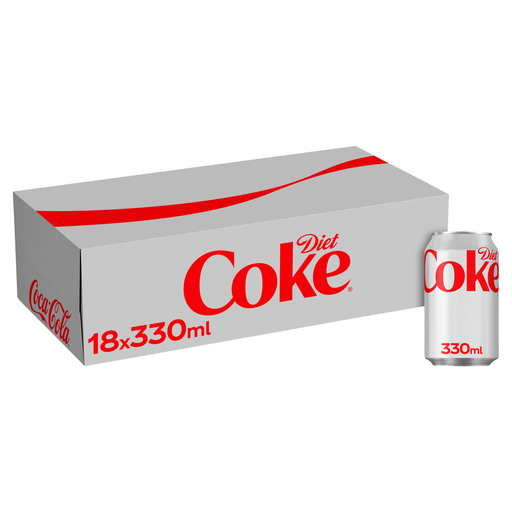
Diet Coke 18 × 330ml
This is standard Diet Coke, not the Caffeine Free variant, so choose it only when caffeine is acceptable. The pack contains 18 cans of 330ml; check the current sugars line, caffeine information, sweeteners and warnings.
View on Joybuy
 No image available
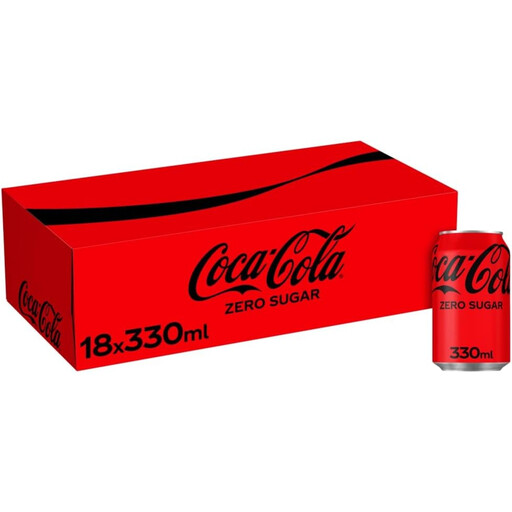
Coca-Cola Zero Sugar 18 × 330ml
The Zero Sugar name addresses the sugar preference, but this is not the Zero Caffeine variant. The pack contains 18 cans of 330ml; if caffeine avoidance matters, choose a pack explicitly labelled caffeine-free instead and check its ingredients.
View on Joybuy
Frequently asked questions
Does zero sugar mean a cola is caffeine-free?
No. Tesco Groceries labels Tesco Diet Cola no added sugar but lists caffeine in its ingredients. If avoiding caffeine matters, look for an explicit caffeine-free or no-caffeine claim on the specific pack.
Should no-added-sugar cola be a child’s usual lunch drink?
Healthier Together NHS recommends water or milk as children’s usual drinks and advises avoiding caffeine and fizzy drinks. If your family chooses cola as an occasional drink with lunch, check the variant’s sugar, caffeine and ingredients rather than treating its no-sugar label as a general drinking recommendation.
Can a zero-sugar fizzy drink still matter for teeth?
Yes: zero sugar does not establish that a drink is free from acids. UK Department of Health and Social Care and NHS England guidance links dental erosion to acid exposure, while the Scottish Dental Clinical Effectiveness Programme advises against prolonged sipping of drinks containing sugar or acid and recommends water or milk between meals.
Why does a cola label mention phenylalanine?
UK government food-labelling guidance specifies a “contains a source of phenylalanine” warning when aspartame is named in the ingredients. ASDA Groceries lists both aspartame and that warning for its Coca-Cola Zero Sugar Zero Caffeine and Pepsi Max No Caffeine examples; read the current pack if this information matters to you.
What should I check when buying cans for several holiday lunches?
Check the exact variant’s sugar line and caffeine status, then read its ingredients, relevant warnings, can size and best-before date. A multi-pack name tells you the number and size of cans, not whether every diet or zero-sugar cola is caffeine-free.


