Households choosing less sugar
Compare sugars per 100ml across the exact variants you are considering. If you choose a zero-sugar drink, read its ingredients too: sugar content does not tell you whether it contains sweeteners or caffeine.


For a weekly shop, choose the sugar, caffeine and flavour variants that suit the household before deciding between individual cans and shared bottles. Zero-sugar options can reduce sugar compared with a regular version, but check their sweeteners and caffeine; larger bottles make more sense when the household will use them after opening.
Compare sugars per 100ml across the exact variants you are considering. If you choose a zero-sugar drink, read its ingredients too: sugar content does not tell you whether it contains sweeteners or caffeine.
Separate cans may be useful for individual portions, while larger bottles suit drinks shared at home. Compare the total volume in each pack with what the household is likely to use.
Look for a variant explicitly labelled caffeine-free. A zero-sugar label alone does not establish that a cola contains no caffeine.
Start with the exact drink’s nutrition and ingredient labels, then choose a pack format that fits how the household will serve it.
| Priority | What to check | Your needs |
|---|---|---|
| Sugar | Compare sugars per 100ml on the exact variants, then consider the volume you expect to drink. Coca-Cola GB lists 10.6g per 100ml for Original Taste and 0g per 100ml for Zero Sugar. | I want to distinguish a regular drink from a zero-sugar option before buying enough for the week. |
| Caffeine and ingredients | Read the ingredient list and any phenylalanine statement on the exact pack. Pepsi UK lists caffeine in Pepsi MAX and identifies Pepsi MAX Caffeine Free as caffeine-free; both are described as zero-sugar variants. | If someone needs to avoid caffeine or check sweeteners, I cannot rely on a drink’s sugar description alone. |
| Pack format | Compare the total volume, not just the number of containers. Consider whether separate cans or an opened sharing bottle fit the household’s plans. | For drinks taken separately, cans may be more convenient; for a shared meal, I may use a larger bottle. |
| Flavour | Choose the flavour first, then check the nutrition panel of its specific regular or zero-sugar variant. Tesco Groceries lists examples across cola, orange and lemon-and-lime drinks, but the formulations differ. | We want flavours people will drink without assuming every version of a familiar brand has the same ingredients. |
A zero-sugar drink can still contain sweeteners or caffeine. Coca-Cola GB, for example, lists sweeteners and caffeine flavouring in Coca-Cola Zero Sugar, alongside a statement that it contains a source of phenylalanine.
Read the exact variant’s ingredients and warnings when those details matter to anyone in the household.
Can multipacks and large bottles provide drinks in different portions and total volumes. The more useful format depends on whether people will take drinks separately or share an opened bottle.
Check the volume of each container and the full pack, then choose an amount the household expects to use.
Coca-Cola GB lists 10.6g sugars per 100ml for Original Taste. The amount consumed rises with serving volume; the NHS advises adults to keep the frequency and amount of sugary drinks as low as possible.
Consider the portion you plan to pour or drink, rather than comparing labels per 100ml without thinking about serving size.
These examples help distinguish flavours and variants; they do not mean every product in a brand’s range has the same formulation.
A cola range with regular and zero-sugar versions to compare for the weekly shop.
A cola range that includes zero-sugar and explicitly caffeine-free zero-sugar options.
A lemon-and-lime alternative for households choosing between regular and zero-sugar variants.
An orange-flavour option with regular and zero-sugar examples in Tesco Groceries’ fizzy-drinks range.
A different flavour choice from cola, with regular and zero-sugar examples listed by Tesco Groceries.
An own-brand route for households considering different sparkling flavours and bottle formats.
These Joybuy options cover individual-can packs, including zero-sugar choices, and a regular cola in larger sharing bottles. Compare the exact labels and pack volumes against your household’s plans.
 No image available
For households wanting separate cans of cola without caffeine. Pepsi UK describes this variant as caffeine-free and zero-sugar; check the ingredients on the exact pack if sweeteners matter to you.
 No image available
A 24-can cola pack for separate portions. Coca-Cola GB lists 0g sugars per 100ml for Zero Sugar, alongside sweeteners and caffeine flavouring; the label also states that it contains a source of phenylalanine.
 No image available
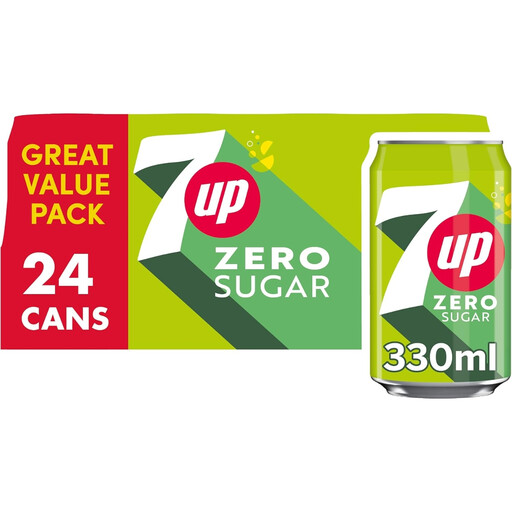
A lemon-and-lime option for households wanting individual cans rather than cola. Check the exact pack’s nutrition and ingredient labels against your sugar, caffeine and sweetener requirements.
 No image available
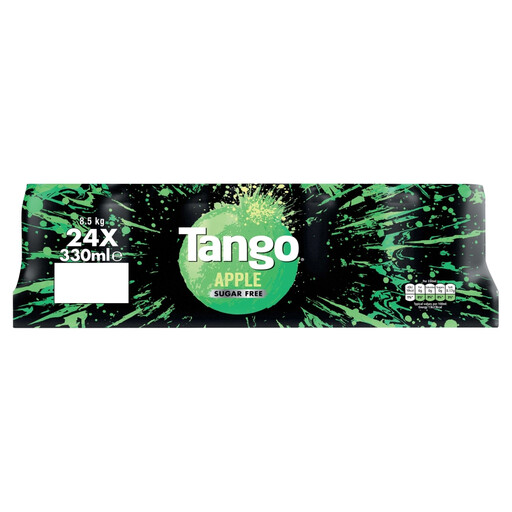
An apple-flavour choice in separate cans for the week. If avoiding caffeine or particular sweeteners matters, check the ingredients on the exact can before choosing it.
 No image available
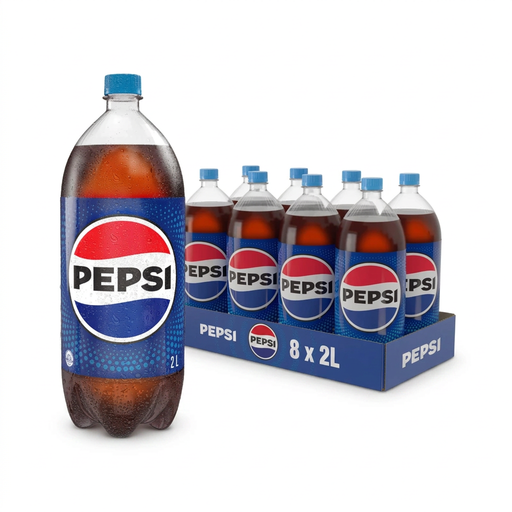
Eight larger bottles suit a household planning to share regular cola. Check the bottle’s sugar and caffeine information and consider how much will be used after each bottle is opened.
Start with sugars per 100ml, then consider how much you expect to drink. Coca-Cola GB lists 10.6g sugars per 100ml for Original Taste and 0g for Coca-Cola Zero Sugar; a zero-sugar cola can still contain sweeteners and caffeine.
No. Pepsi UK lists caffeine in Pepsi MAX but identifies Pepsi MAX Caffeine Free as caffeine-free. Check the exact variant instead of relying on “zero sugar” or “diet” to answer the caffeine question.
Read the ingredient and warning information on the exact pack before buying. Coca-Cola GB lists a source-of-phenylalanine statement for Coca-Cola Zero Sugar, and Pepsi UK lists one for Pepsi MAX; the cited Sprite and Sprite Zero entries also carry that statement.
Choose cans when separate portions are more useful, or larger bottles when several people expect to share them after opening. Compare total pack volume as well as flavour and variant, so the format matches how the household will use it.