Canteen buyers checking sugar content
For a zero-sugar brief, compare the sugars figure on the exact product’s nutrition panel. Check caffeine separately: standard and caffeine-free versions can sit within the same cola range.


For a workplace canteen lunch, check the cola’s sugars figure on the nutrition panel, then choose a caffeine-free variant if customers need one; zero sugar alone does not mean no caffeine. Single cans give each person a defined portion, while shared bottles need an opened-bottle handling plan. Check sweeteners as well, because the listed ingredients differ between products.
For a zero-sugar brief, compare the sugars figure on the exact product’s nutrition panel. Check caffeine separately: standard and caffeine-free versions can sit within the same cola range.
A cola-style drink can meet this need only if the chosen variant is explicitly identified as caffeine-free. A zero-sugar label by itself does not answer the caffeine question.
Larger bottles and retailer own-brand cola may suit a shared serving arrangement. The sweetener list, caffeine information and directions for handling an opened bottle still need checking for the exact product.
Start with the sugars figure and caffeine status of the exact variant, then choose a pack format the canteen can serve and store as directed.
| Priority | What to check | Your needs |
|---|---|---|
| Sugars figure | Read sugars per 100 ml on the nutrition panel of the exact variant. Check the per-can figure too if you serve individual cans. | I need the drink to meet the canteen’s sugar brief, rather than relying on the wording on the front of the pack. |
| Caffeine | Check for an explicit caffeine-free variant when required, and read the ingredient list. Coca-Cola GB and Pepsi UK list caffeine in their standard Zero Sugar and Max products, respectively. | Some lunch customers want cola without caffeine as well as without sugar. |
| Sweeteners | Compare ingredient lists by product. Coca-Cola GB and Pepsi UK list aspartame in the reviewed colas; Sainsbury’s lists acesulfame K and sucralose in its Cola Zero 2 L bottle. | I want customers to be able to identify the sweeteners in the drink they choose. |
| Serving format | Choose individual cans or a bottle for shared service. For its Cola Zero 2 L bottle, Sainsbury’s says to refrigerate after opening and use within 3 days; check the chosen bottle’s own directions. | Single cans make portions straightforward at lunch. For a shared bottle, I need a practical plan for serving and storing it after opening. |
Standard Coca-Cola Zero Sugar and Pepsi Max list caffeine, while their caffeine-free variations are separate products.
If caffeine avoidance matters, order the explicitly caffeine-free variant and check the exact product label before serving.
The reviewed products use different sweeteners. Products listing aspartame also carry a statement that they contain a source of phenylalanine; GOV.UK explains the labelling requirement when aspartame is named in the ingredients.
Keep the product’s ingredient and warning information accessible so customers can check the drink they are offered.
A bottle used across several lunch services needs attention to its product-specific storage and use-after-opening directions. Sainsbury’s directs buyers to refrigerate its Cola Zero 2 L bottle after opening and use it within 3 days.
Check the directions on the bottle you buy, and decide how opened bottles will be stored and served.
These examples show why the exact variant matters; a brand name alone does not establish its sugars figure, caffeine status or serving format.
Coca-Cola GB lists standard Coca-Cola Zero Sugar and a separate Coca-Cola Zero Sugar Caffeine Free variation.
Pepsi UK distinguishes Pepsi Max from Pepsi Max Caffeine Free, giving canteen buyers two different caffeine choices.
Sainsbury’s Cola Zero is a 2 L own-brand bottle to consider for shared canteen service.
Tesco Groceries lists branded, own-brand and caffeine-free colas in its UK diet and sugar-free cola category.
These Joybuy options are canned or bottled cola formats for workplace lunch service. They include caffeine-free and caffeine-containing variations, but the product label remains the check for each drink’s ingredients and sugars figure.
 No image available
Individual cans suit a canteen offering a caffeine-free cola at lunch. Pepsi UK states 0 g sugars per 100 ml for this variation. It contains aspartame and carries a source-of-phenylalanine statement.
 No image available
This multipack provides individual cans where caffeine avoidance is not required. Coca-Cola GB states 0 g sugars per 100 ml for the standard variation; its ingredients list caffeine flavouring and aspartame, and it carries a source-of-phenylalanine statement.
 No image available
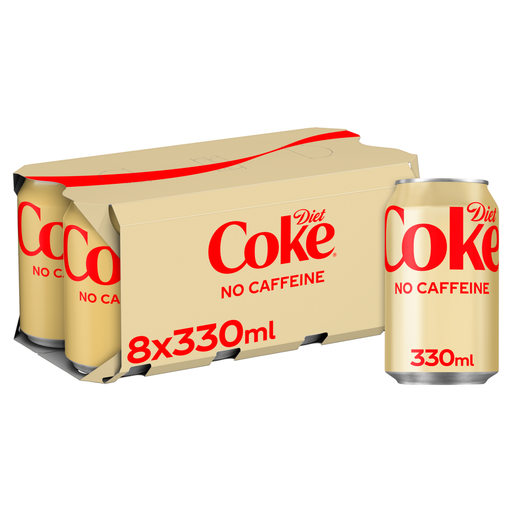
The eight-pack offers individual caffeine-free cola cans. Check the nutrition panel against the canteen’s sugar brief; this variation contains aspartame and carries a source-of-phenylalanine statement.
 No image available
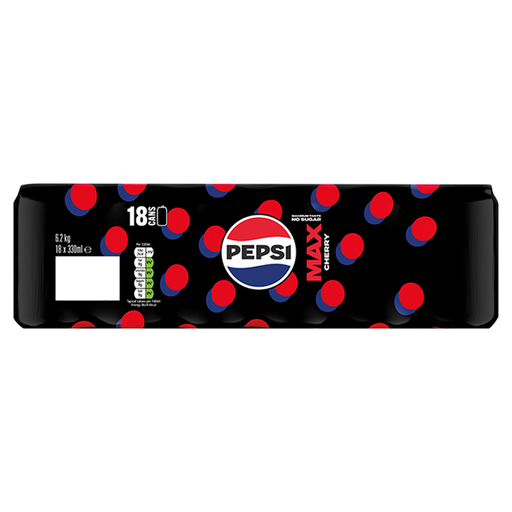
These individual cans offer a cherry-flavoured cola rather than a plain variation. Check the exact nutrition panel for the required sugars figure. This variation lists caffeine and aspartame and carries a source-of-phenylalanine statement, so it is not the caffeine-free choice.
 No image available
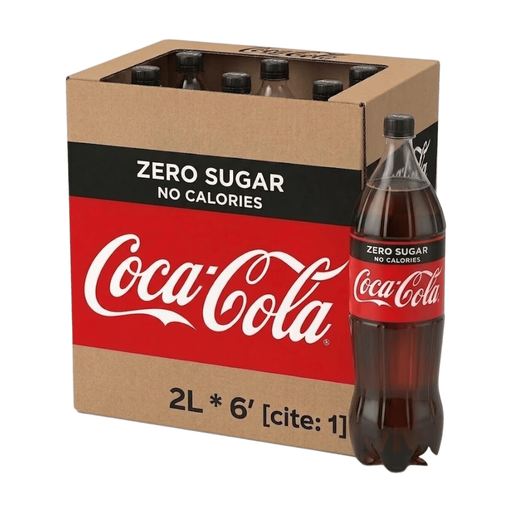
Six larger bottles are an option for shared canteen service rather than individual cans. Coca-Cola GB states 0 g sugars per 100 ml for this variation; it contains caffeine flavouring and aspartame and carries a source-of-phenylalanine statement. Check the bottle’s directions for storage and use after opening.
No. Coca-Cola GB lists caffeine flavouring in standard Coca-Cola Zero Sugar, and Pepsi UK lists caffeine in Pepsi Max. If customers need to avoid caffeine, choose an explicitly caffeine-free variation and check its label.
Read the sugars figure per 100 ml on the exact product’s nutrition panel, and check the per-serving figure when serving cans. Do not assume that different products described as zero or no added sugar have identical figures: Coca-Cola GB and Pepsi UK state 0 g per 100 ml for the reviewed variations, while Sainsbury’s lists less than 0.5 g per 100 ml for its Cola Zero 2 L bottle.
The statement is relevant to products listing aspartame. GOV.UK says products that name aspartame in the ingredients must state that they contain a source of phenylalanine. Check the ingredient and warning information on the drink being served.
Follow the directions for the exact bottle. Sainsbury’s says to refrigerate its Cola Zero 2 L bottle after opening and use it within 3 days; check other products’ own labels rather than applying that instruction to every cola.