What should you check before buying?
Decide whether the drink’s job is to provide fluid, contribute carbohydrate or simply offer a flavour you enjoy. Then compare the serving you would actually take on the bike, rather than relying on the drink category.
| Priority |
What to check |
Your needs |
| Carbohydrate |
Read carbohydrate per 100ml and per can or bottle. Compare the serving with the carbohydrate you have planned for the ride; account for other food and drinks too. |
On a longer or harder ride, I want to know what one serving contributes instead of treating every sweet-tasting drink as fuel. |
| Fluid and electrolytes |
Check the serving volume and decide where your other fluids will come from. Do not assume a standard cola or sparkling water supplies the electrolytes you plan to use. |
For an easy ride, I may just want a fizzy way to drink fluid. For a longer or hot ride, I need to consider the rest of my drink and food plan. |
| Caffeine and ingredients |
Read the exact pack’s ingredient list for caffeine, sweeteners and any phenylalanine declaration. Check the stated caffeine amount if the dose matters to you. |
I want to tell a caffeinated cola from an option without caffeine, particularly for a late ride or when choosing for someone sensitive to it. |
| Carbonation comfort |
Try the exact drink, volume and timing during training at a realistic riding intensity. A result for one carbonated test drink cannot establish comfort with every product. |
If fizz makes me feel uncomfortably full while riding, I would rather find that out before a sportive or race. |
Brand and product-line references
These examples illustrate differences between particular UK drinks, not a judgement that every product from a brand has the same formulation.
Coca-Cola
Coca-Cola Original Taste is a regular cola to compare when planning a partial carbohydrate contribution.
- The Coca-Cola Company GB lists 10.6g carbohydrate per 100ml, equivalent to about 35g in 330ml.
- That amount alone does not establish a complete fluid or electrolyte plan. Check the pack if caffeine matters to you.
Pepsi
Pepsi Regular and Pepsi MAX serve different purposes when carbohydrate is the deciding factor.
- PepsiCo UK lists 15g carbohydrate per 330ml can of Pepsi Regular and 0g per 330ml can of Pepsi MAX.
- Choose between them by the contribution you intend, and check the exact variant’s ingredients if avoiding caffeine or particular sweeteners.
Sprite
Sprite is a lemon-and-lime alternative for someone who does not want a cola flavour.
- The Coca-Cola Company GB’s UK product information includes a source-of-phenylalanine declaration.
- Check the current pack’s carbohydrate per serving before assigning it a fuelling role; flavour does not indicate the amount.
Fanta
Fanta Orange is a fruit-flavoured option for comparing caffeine declarations.
- The Coca-Cola Company GB describes Fanta Orange as caffeine free.
- Check the exact pack’s carbohydrate and other nutrition information rather than assuming its role from the flavour.
Dr Pepper
Dr Pepper offers another flavoured fizzy drink to assess by its own label.
- A UK ingredient declaration from Templeman Retailing & Vending, dated July 2026, lists flavourings including caffeine for a 330ml Dr Pepper product.
- Check the current pack for carbohydrate per serving and caffeine information before using it in a ride plan.
Tesco
Tesco Ashbeck Sparkling Natural Mineral Water is a plain sparkling-water reference rather than a sweetened soft drink.
- Tesco lists mineral water and carbon dioxide as the ingredients of its 500ml product.
- Use a separate carbohydrate source if your ride plan calls for one; do not treat plain sparkling water as a fuelling drink.
Fizzy drink options on Joybuy
These packs cover a regular cola for a planned carbohydrate contribution and zero-sugar fizzy drinks for a flavour-led choice. Compare the exact serving and ingredient label with what you intend to take on the ride.
 No image available
Coca-Cola Original Taste 24 × 330ml
For a ride where you have planned some carbohydrate, this 330ml can gives you a serving to account for. The Coca-Cola Company GB declares 10.6g carbohydrate per 100ml of Original Taste, or about 35g per can. It contains caffeine; check the current pack if the amount matters to you, and plan other fluids and electrolytes where needed.
View on Joybuy
 No image available
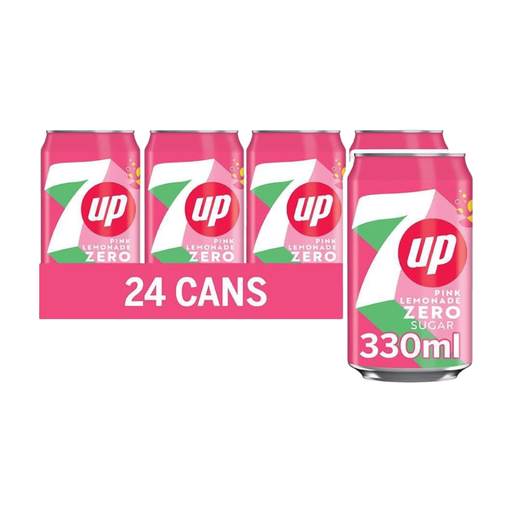
7 Up Lemonade Zero 24 × 330ml
This lemonade variant is a flavour-led option when you are arranging any ride carbohydrate separately. Its pack contains 24 cans of 330ml. Check the exact can’s carbohydrate, caffeine and sweetener declarations if they affect your choice, and try the drink in training before taking it to an event.
View on Joybuy
 No image available
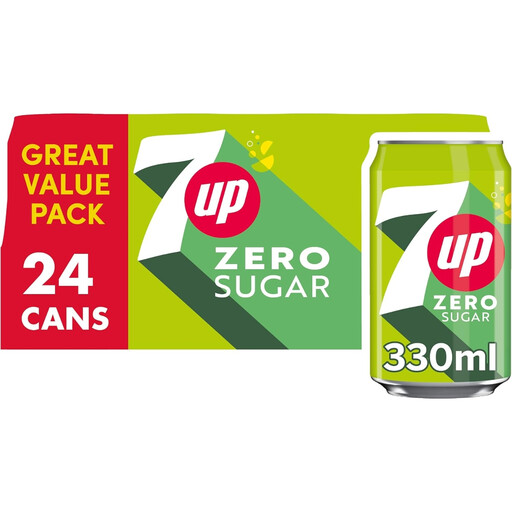
7UP Zero 330ml 24-pack
The 330ml can provides a defined serving for comparing drink options. If you plan to consume carbohydrate during the ride, read the exact can’s nutrition panel and account for that separately. Check the ingredient declaration if caffeine or phenylalanine matters to you.
View on Joybuy
 No image available
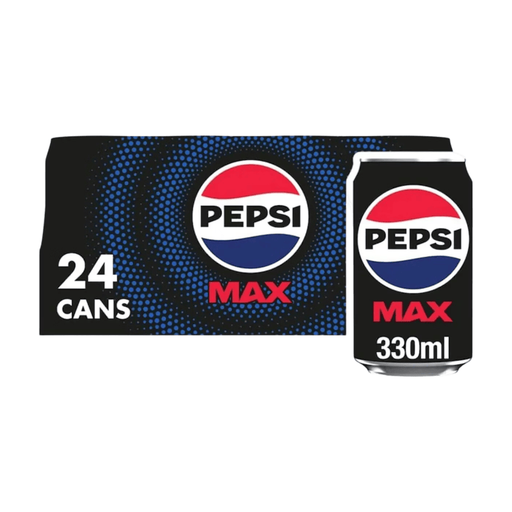
Pepsi MAX 24 × 330ml
For cola flavour rather than carbohydrate fuel, PepsiCo UK lists 0g carbohydrate per 330ml can of Pepsi MAX. This pack contains 24 cans. The drink contains caffeine, so check the current can for the amount if it affects your choice; plan carbohydrate separately if your ride calls for it.
View on Joybuy
Questions about fizz on a ride
Does a fizzy drink count towards fluid intake while cycling?
Yes, it contributes fluid, but it does not necessarily cover everything you have planned to consume. The NHS recommends water for replacing fluid lost through physical activity; consider carbohydrate and electrolytes separately where your ride plan calls for them.
Can a 330ml Coca-Cola Original Taste replace an energy drink?
Not as a like-for-like plan for every ride. The Coca-Cola Company GB declares 10.6g carbohydrate per 100ml of Original Taste, equivalent to about 35g in a 330ml can, so it can make a partial carbohydrate contribution. That figure does not establish a complete fluid or electrolyte strategy, and the cola contains caffeine.
Does carbonation always cause stomach discomfort on a bike?
No general conclusion about every rider or drink follows from the available trial. In a 1992 International Journal of Sport Nutrition study involving eight male cyclists, the carbonated test drink did not significantly change perceived gastrointestinal comfort compared with non-carbonated trials. Try your chosen product and serving size in training to assess your own comfort.
Is zero-sugar cola a source of carbohydrate for a ride?
Pepsi MAX is not a carbohydrate source: PepsiCo UK lists 0g carbohydrate per 330ml can. Choose it for its flavour if that is what you want, and account for carbohydrate through something else if your ride plan includes it.


